
Mange in dogs shows up in two very different forms, and knowing which one your dog has changes everything about treatment, how long recovery takes, and whether anyone else in the house is at risk. Demodex mites live in hair follicles and are part of normal skin flora in small numbers, but can take over in puppies or dogs with endocrine and immune conditions. Sarcoptic mites burrow into the skin's surface layer and spread rapidly between animals and sometimes to people. Damage to the skin often results in bacterial and yeast infections, furthering itchiness and hair loss. Treating the wrong type of mite, or skipping a diagnosis entirely, can mean weeks of itching, ineffective medication, missed underlying conditions, or even spread to your family.
Valley Center Veterinary Clinic is AAHA accredited and Cat Friendly certified, and we take a collaborative approach to skin and coat problems, walking you through our reasoning rather than just handing you a treatment plan. Our in-house diagnostics give us same-day results on many tests, including the skin evaluations used to identify mites and secondary infections. If your dog has hair loss, persistent itching, or skin changes that have you stumped, call us or come in and we will help you figure out what is actually going on.
Mange at a Glance
- Two conditions share one name: Demodex and sarcoptic mange are completely different despite both being called mange.
- Only one is contagious: Demodex is not, while sarcoptic mange spreads rapidly and can temporarily affect people.
- Adult-onset Demodex is a flag: it often signals an underlying immune problem worth investigating.
- Prevention helps: many oral parasite preventatives kill mange mites alongside fleas and ticks.
Why Does Accurate Diagnosis Matter?
You notice your dog scratching more than usual, find a bald patch, or spot scaly skin, and the cause could be mange, allergies, infection, ringworm, or any one of several other things. Getting the diagnosis right matters because:
- It determines who else is at risk, since sarcoptic mange and ringworm are contagious while Demodex and allergies are not.
- It shapes the recovery timeline, since sarcoptic mange often resolves in 4 to 6 weeks while generalized Demodex requires months.
- It determines what treatment works, since antifungals do nothing for mites and antiparasitics do nothing for fungal infection.
- It identifies underlying health problems, since adult-onset Demodex often points to an immune issue worth investigating.
Same-day in-house testing means we can usually answer "what is this?" during the first visit, not after multiple appointments and weeks of guesswork.
What Types of Mange Affect Dogs?
Two main types of mange affect dogs, and the differences between them really do matter:
| Feature | Demodectic mange | Sarcoptic mange |
| Contagious? | No, part of normal flora | Yes, including briefly to people |
| Itch level | Variable, often mild | Intense and relentless |
| Where mites live | In hair follicles | Burrowed in the skin surface |
| Treatment timeline | Months of treatment | Resolves in 4 to 6 weeks |
| Key red flag | Adult-onset means an immune workup | Rapid household spread |
Demodectic Mange
Demodex mites live in hair follicles on most healthy dogs in small numbers, causing no problems, and trouble starts when a puppy's developing immune system cannot keep populations in check or an adult dog's immune system becomes stressed. Three presentations:
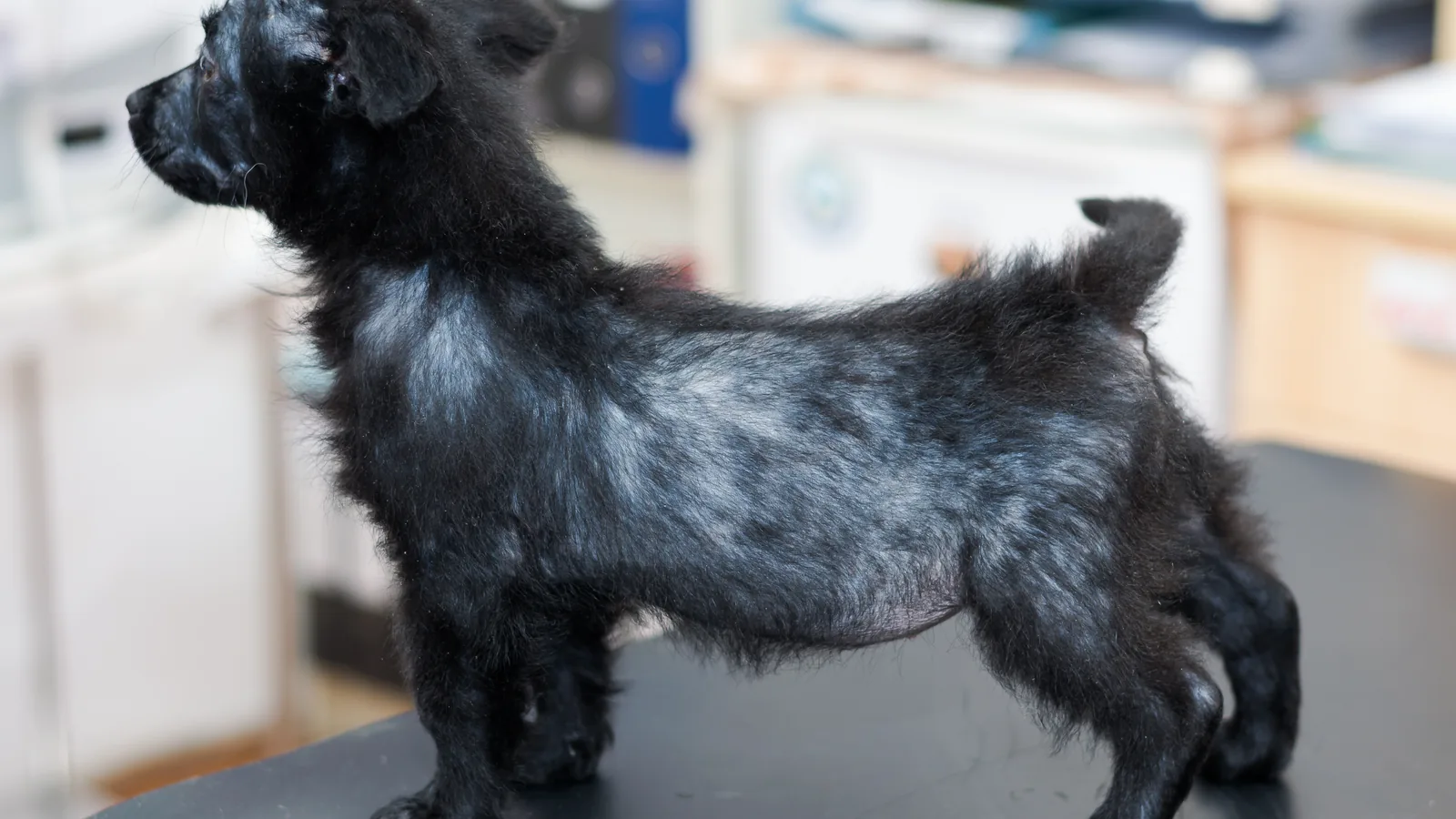
- Localized Demodex in puppies, small isolated patches of hair loss on the face or feet that often resolve as the immune system matures, where monitoring is often the right approach.
- Generalized Demodex, affecting multiple body areas and requiring prescription treatment, longer monitoring, and investigation into underlying immune issues.
- Adult-onset Demodex, where a dog over four suddenly developing Demodex is itself a flag, prompting a workup for thyroid disease, Cushing's, cancer, or other immune-suppressing conditions.
Demodex is not contagious to other pets or people. The mites are species-specific and live tucked into the follicles, not crawling on the skin surface.
Sarcoptic Mange
Sarcoptic mange, or scabies, is caused by mites that burrow into the skin's surface and trigger intense, relentless itching within days of exposure. It is zoonotic, meaning people can temporarily catch it, with human cases resolving once the dog is treated and the home decontaminated. Treatment needs to start quickly and includes prescription antiparasitic medication for the affected pet, treatment of every dog in the household even if they look fine, home decontamination, isolation during the contagious period, and follow-up to confirm everything has cleared. Most cases resolve within four to six weeks with proper treatment.
What Mites Affect Cats?
Cats have their own set of mite problems:
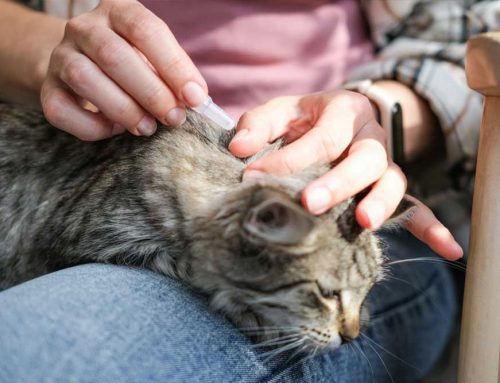
- Ear mites, extremely common in kittens and spread easily through close contact, causing intense ear itching, head shaking, and dark debris in the canal, usually with straightforward treatment.
- Feline Demodex, less common than in dogs but worth knowing, where adult-onset cases can signal underlying immune problems including FeLV or FIV.
- Notoedres cati, a highly contagious feline condition similar to sarcoptic mange that starts on the ears and face with crusty skin, spreads quickly between cats, and can temporarily affect people.
Cat-specific mite prevention is included in some monthly preventatives, which is part of why year-round prevention matters even for indoor cats.
What Conditions Mimic Mange?
Several conditions cause itching, hair loss, and skin changes that look an awful lot like mange. Getting the diagnosis right is what saves you weeks of treatment that was never going to work.
Flea Allergy Dermatitis
Flea allergy dermatitis is among the most common causes of severe itching, triggered by hypersensitivity to flea saliva where a single bite causes weeks of itching, typically on the lower back and tail base in dogs and the head, neck, and lower back in cats. Fleas may not be visible because allergic pets groom obsessively, so year-round parasite prevention is non-negotiable.
Atopic Dermatitis
Atopic dermatitis is an allergic condition triggered by environmental allergens like pollens, molds, and dust mites, typically with itchy paws, face, ears, and groin and secondary infections from chronic scratching. It can look a lot like mange, especially once bacterial or yeast infections pile on top of the original irritation.
Ringworm
Ringworm is a fungal infection, not a worm, causing circular patches of hair loss with scaly edges, and it is highly contagious to pets and people. Cats can carry it without obvious symptoms, making household spread common, and diagnosis is through fungal culture or PCR with topical and sometimes oral antifungal treatment plus environmental cleaning.
Bacterial and Yeast Infections
Secondary infections often accompany mange and allergies but can occur independently, where bacterial pyoderma and Malassezia yeast overgrowth both cause irritation, odor, and hair loss. These require investigation into why the skin's defenses failed, since addressing the underlying trigger is essential to lasting resolution.
What Underlying Problems Contribute to Skin Disease?
When an adult pet develops Demodex, or skin problems keep coming back despite treatment, there is often something deeper going on.
Hypothyroidism
Hypothyroidism is common in middle-aged dogs, slowing metabolism throughout the body, with skin symptoms including symmetrical hair loss, recurrent infections, a dull coat, and reduced wound healing. Diagnosis is through blood testing, and treatment with oral levothyroxine is straightforward and effective.
Cushing's Disease
Cushing's disease causes excess cortisol that suppresses the immune system and dramatically affects the skin, with classic signs of a thinning coat, pot-bellied appearance, and increased thirst and urination. Adult-onset Demodex frequently appears alongside Cushing's, and treating only the Demodex without addressing the Cushing's tends to fail.
Other Immune-Suppressing Conditions
- Diabetes, which affects skin health and immune function
- Cancer, which can suppress immune response
- Long-term steroid use, which predisposes to skin infections
- FIV and FeLV in cats, which affect immune function and skin
An unusual presentation or a case that is not responding the way it should is a cue to widen the workup and look for what is suppressing immune function in the background. Our upfront pricing and personalized wellness plans are built to make that kind of broader workup feel doable rather than overwhelming.
How Are Skin and Mite Conditions Diagnosed?
Every case starts with a thorough history and physical examination, then uses targeted tools:
- Skin scrapings, where deep scrapings identify Demodex and superficial scrapings look for Sarcoptes, though sarcoptic mites are notoriously hard to find even when present.
- Skin cytology to identify bacterial and yeast secondary infections.
- Fungal culture for ringworm rule-out.
- Bloodwork to screen for thyroid disease, Cushing's, diabetes, and other systemic contributors.
- Allergy testing, serum or intradermal, when atopic dermatitis is on the differential.
- Treatment trial, since sarcoptic mange may need one when scrapings are negative but the clinical picture fits.
Our in-house lab returns same-day results on the basics, so treatment can often start during the same visit instead of stretching across appointments.
How Is Mange Treated?
Many oral prescription parasite preventatives also kill mange mites, so consistent year-round prevention often catches these conditions before they become severe; the standard approach to treating mites starts with confirming the species and matching the medication to it.
Treating Demodectic Mange
- Localized Demodex in puppies is often monitored without immediate medication, since many cases resolve as the immune system matures, with treatment beginning if patches progress. Starting on a prescription isoxazoline preventive helps it clear faster and takes care of fleas and ticks.
- Generalized Demodex uses prescription oral or topical medications like the isoxazolines, continuing until multiple rechecks confirm no mites, averaging 2 to 4 months for moderate cases. Then, continued year-round parasite prevention ensures it doesn’t return.
- Adult-onset Demodex uses the same treatment plus investigation into the underlying immune issue.
- Secondary infections are treated alongside the mites with appropriate antibiotics or antifungals, either orally, topically, or both.
Supporting overall health through this period matters, and our wellness and preventive care visits track recovery alongside any underlying contributors.
Treating Sarcoptic Mange and Contagious Mites
- Prescription parasiticides like isoxazolines and selamectin work quickly over several weeks.
- All pets in the household need treatment even if they appear unaffected, since asymptomatic carriers spread the condition.
- Home decontamination with hot-water washing of bedding, vacuuming, and cleaning grooming tools.
- Itch relief during treatment with anti-itch medications and skin-healing shampoos.
- Recheck appointments to confirm resolution before declaring the case closed.
Most cases resolve within four to six weeks with consistent treatment.
Frequently Asked Questions About Mange and Mites
Can I Catch Mange From My Dog?
You can catch sarcoptic mange (scabies) temporarily, since the mites can briefly infect humans but cannot complete their life cycle on human skin, so cases usually resolve once the dog is treated. You cannot catch Demodex from your dog, since Demodex mites are species-specific.
Will My Dog Need to Be Isolated?
For sarcoptic mange, yes, until effectively treated, but for Demodex, no, since it is not contagious. For mites in cats like ear mites or Notoedres, other cats in the household need treatment and brief isolation makes sense.
How Long Until My Dog Stops Itching?
For sarcoptic mange, itching usually starts improving within a week of effective treatment and resolves over 4 to 6 weeks. For Demodex, improvement is more gradual, with the mites dying off over months and the coat regrowing over months to a year depending on severity.
Why Does My Dog's Mange Keep Coming Back?
Recurring mange often signals an underlying problem. Adult Demodex returning after treatment usually means the immune issue driving it was not identified, while recurring sarcoptic mange means new exposure, so a workup to find the root cause is more useful than another round of the same treatment.
Getting the Right Diagnosis and Treatment for Your Pet
Mange and skin problems can feel like a lot, but they are very treatable once you know what you are actually dealing with. The work that matters is distinguishing between mite types, ruling out look-alike conditions, and identifying underlying health problems when they exist.
Your pet deserves an accurate diagnosis instead of guesswork, and you deserve to understand what is going on rather than walk out with a prescription and no explanation. If your dog or cat has hair loss, persistent itching, or skin changes that worry you, request an appointment and our team will work through it with you.