


When Dinner Makes Them Itch: Managing Food Allergies in Pets
If your dog scratches constantly despite flea prevention or your cat develops recurring ear infections without explanation, food allergies may be the hidden cause. These reactions develop gradually and often mimic other conditions, making accurate diagnosis essential. Identifying the culprit through elimination diets or hypoallergenic formulas helps reduce inflammation and restore comfort. Once the trigger is found, long-term management becomes simple and effective.
At Valley Center Veterinary Clinic, our AAHA-accredited team combines advanced diagnostics with personalized nutrition counseling to identify food sensitivities and restore your pet’s comfort through targeted dietary changes.
How to Recognize Food Allergies in Dogs and Cats
Food allergies occur when a pet’s immune system mistakenly identifies a specific protein or ingredient as harmful, triggering inflammation throughout the body. Unlike environmental allergies that follow seasonal patterns, food allergies persist year-round and often worsen without intervention.
Common Signs Your Pet May Have Food Sensitivities
The symptoms of food allergies vary widely but typically affect the skin, digestive system, or ears. Many pets show multiple signs simultaneously, making the connection to diet less obvious without professional guidance.
Skin-related symptoms include:
- Persistent itching, especially around the face, paws, ears, and belly
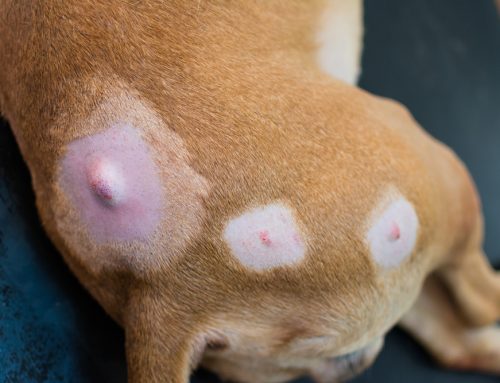
- Red, inflamed skin or hot spots that recur despite treatment
- Hair loss from excessive scratching or licking
- Chronic skin infections requiring repeated antibiotics
Gastrointestinal symptoms include:
- Vomiting after meals or between feedings
- Chronic diarrhea or soft stools
- Increased gas or abdominal discomfort
- Poor appetite or weight loss
Ear and paw symptoms include:
- Recurring ear infections with redness, odor, or discharge
- Head shaking or ear scratching
- Constant paw licking or chewing until raw
Food allergies create body-wide inflammation, requiring internal solutions rather than surface-level management.
Ruling Out Other Types of Allergies
If your pet’s itching or skin irritation continues despite dietary adjustments, additional testing may uncover other conditions that need separate treatment. Common culprits include secondary bacterial and fungal skin infections, atopic dermatitis, or flea allergies, all of which can cause persistent itchiness even when food sensitivities are well managed.
A thorough veterinary evaluation is key to identifying the true cause of your pet’s symptoms. At Valley Center Veterinary Clinic, our team uses a comprehensive diagnostic approach to separate overlapping conditions and ensure every contributing factor is addressed. This complete, individualized testing process helps us confirm food sensitivities with confidence and create an effective treatment plan for lasting relief.
Dietary Solutions for Managing Food Allergies in Pets
Once food allergies are confirmed, dietary modification becomes the primary treatment. Unlike medications that mask symptoms, the right diet eliminates the trigger entirely, allowing inflammation to resolve and tissues to heal naturally.
Hypoallergenic Diets and Novel Protein Sources for Your Pet
Hypoallergenic diets work by removing common allergens and replacing them with proteins your pet has never encountered. Most food allergies develop against familiar ingredients like chicken, beef, dairy, or wheat because repeated exposure allows sensitivity to build over time.
Novel protein diets introduce uncommon protein sources such as:
- Venison, duck, or rabbit for dogs
- Kangaroo, alligator, or fish for severe cases
- Hydrolyzed proteins broken down into molecules too small to trigger reactions
These specialized formulas minimize allergic responses while providing complete nutrition. Some pets respond within weeks, while others require several months for full resolution as existing inflammation subsides.
Transitioning to a new diet requires patience and consistency. Abrupt changes cause digestive upset even in healthy pets- changing food gradually over seven to 10 days prevents additional complications. This careful introduction ensures smooth transitions that don’t confuse diagnostic results or discourage your pet from eating.
During elimination trials, strict dietary compliance is essential. Even small amounts of the allergen from treats, table scraps, or flavored medications can trigger reactions and invalidate weeks of careful management. Veterinary experts emphasize that identifying food allergies through elimination diet trials requires patience and close monitoring.
Our wellness and preventive care programs include nutrition counseling to help you navigate ingredient labels, identify hidden allergens, and maintain consistency throughout the diagnostic process.
Separating Pet Food Allergy Facts from Fiction
Misinformation about pet food ingredients creates unnecessary anxiety and leads owners toward diets that don’t address the real problem. Understanding the truth about food allergies helps you make informed decisions based on evidence rather than marketing claims.
Debunking Common Pet Food Myths
Contrary to popular belief, grains are rarely the culprit in food allergies. Most reactions occur against animal proteins like chicken, beef, or fish rather than wheat, corn, or rice.
Other common myths include:
- “Natural” or “organic” foods prevent allergies (they contain the same proteins that trigger reactions)
- Grain-Free diets are best for overall health (studies suggest they can cause heart disease in some patients)
- Rotating proteins prevents sensitivities (frequent changes may increase exposure to allergens)
- Raw diets eliminate allergy risk (they carry the same allergenic proteins plus bacterial contamination risks)
Food intolerances differ from true allergies. Intolerances cause digestive upset without immune involvement and often resolve with gradual dietary adjustment. True allergies involve immune responses that require complete allergen avoidance rather than simple moderation. Don’t fall victim to marketing misconceptions- rely on evidence-based nutrition that addresses your pet’s specific needs rather than following trends.
Selecting the Right Food for Your Allergic Pet
Choosing appropriate food for a pet with allergies requires more than reading ingredient lists. Nutritional balance, manufacturing quality, and veterinary guidance all influence long-term success and your pet’s overall health.
Key Factors in Food Selection for Your Pet
When evaluating foods for allergic pets, consider the complete nutritional profile rather than focusing solely on protein source. Foods must meet AAFCO standards for complete and balanced nutrition while avoiding known allergens.
Important considerations include:
- Ingredient quality: Named proteins rather than generic “meat” or “poultry”
- Manufacturing standards: Facilities with quality control and contamination prevention
- Nutritional adequacy: Formulas designed by veterinary nutritionists
- Life stage appropriateness: Puppy, adult, or senior formulations
Brand reputation matters because manufacturing practices affect ingredient purity. Cross-contamination during production can introduce allergens even when they’re not listed on labels, making trusted manufacturers essential for sensitive pets. Understanding how to choose the right food for your pet ensures balanced nutrition and allergen safety, while maintaining ingredient transparency.
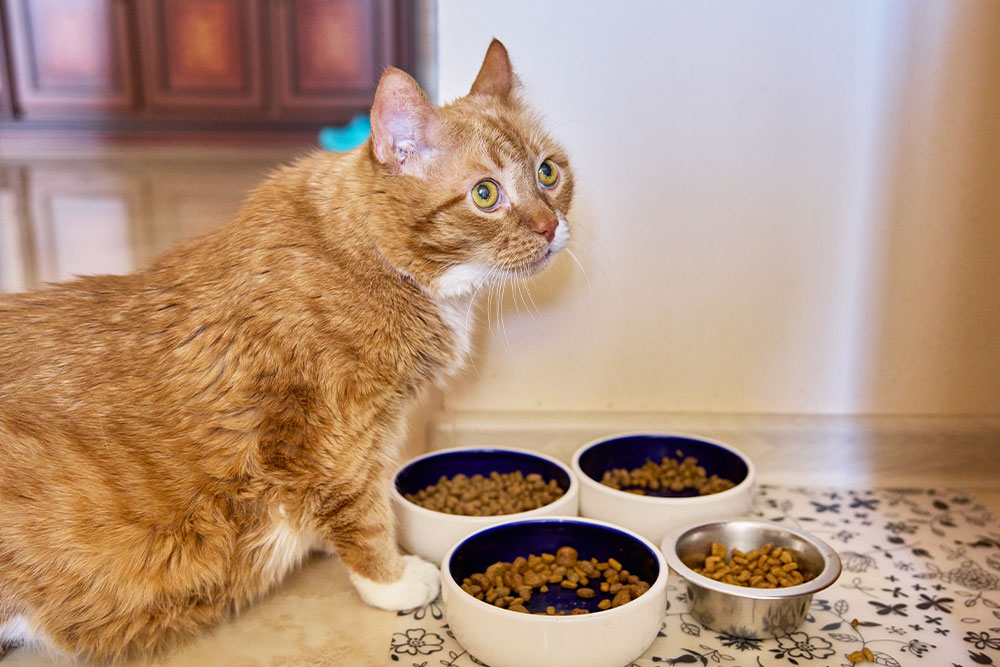
Building a Long-Term Allergy Management Plan for Your Pet
Successful food allergy management extends beyond identifying triggers. Long-term health requires ongoing monitoring with regular wellness exams, dietary consistency, and partnership between pet owners and veterinary professionals.
Documenting your pet’s response to dietary changes helps identify patterns and guides future decisions. Note symptom improvements, any flare-ups, and potential exposures to create a comprehensive picture of what works for your individual pet. Other long-term management strategies include:
- Regular ear cleaning to prevent ear infections
- Consistentyear-round parasite prevention ensures that flea bites don’t contribute to skin inflammation
- Regular grooming helps protect skin health and reduce irritation from external triggers.
- Cold laser therapy decreases skin inflammation and speeds healing of hot spots and infections
Our Cat-Friendly, compassionate team will help you build out an allergy plan to keep your pet comfortable and itch-free.
Taking the Next Step Toward Relief
Food allergies don’t have to control your pet’s life. With accurate diagnosis, appropriate dietary changes, and consistent management, most allergic pets return to comfortable, symptom-free lives. The key lies in working with veterinary professionals who understand the complexity of food sensitivities and can guide you through the diagnostic and treatment process.
At Valley Center Veterinary Clinic, our experienced team combines medical expertise with genuine partnership, empowering you to make informed decisions about your pet’s nutrition and health.
Contact us today or request an appointment to begin your pet’s journey toward lasting relief from food allergies.






Leave A Comment