
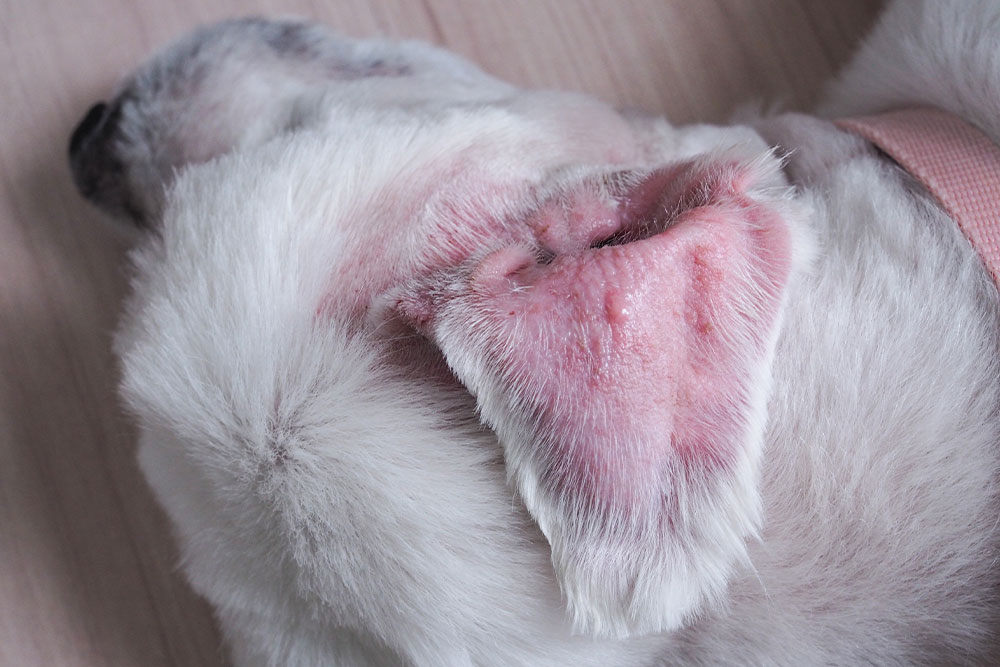
One morning, you notice your dog’s ear looks strange- suddenly puffy, soft, and swollen like a water balloon. It’s alarming to see, but this kind of swelling is often an ear hematoma. This common condition occurs when small blood vessels inside the ear flap rupture, typically from scratching or head shaking, often triggered by an underlying ear infection or allergy. The good news is that with timely care, your dog can make a full recovery with minimal discomfort.
At Valley Center Veterinary Clinic, we understand how concerning it can be to see your pet in pain. Our AAHA- accredited wellness and preventive care and diagnostic services allow us to identify ear problems early, provide advanced treatment options, and prevent complications through personalized follow-up care.
What Are Ear Hematomas and Why Do They Form?
An ear hematoma develops when blood collects between the skin and cartilage of the ear flap, creating a soft, fluid-filled swelling. The accumulation of blood causes pressure, discomfort, and sometimes even a warm, tender feeling. Depending on severity, the swelling might be small and localized or encompass the entire ear.
The most common cause is irritation from frequent head shaking or scratching, which ruptures tiny blood vessels inside the ear. These behaviours often stem from infections, parasites, or allergies that make the ears itchy or inflamed.
A true ear hematoma should never be ignored- it’s not only painful but can lead to rupture and permanent ear deformities if left untreated. Without treatment, the pooled blood clots, causing scar tissue that thickens or crumples the ear. In chronic cases, the ear may become cauliflower-shaped, affecting airflow and increasing infection risk. If the hematoma ruptures before the blood clots, you’ll have a giant mess on your hands. While your pet is very unlikely to bleed to death from this, it is painful and traumatic.
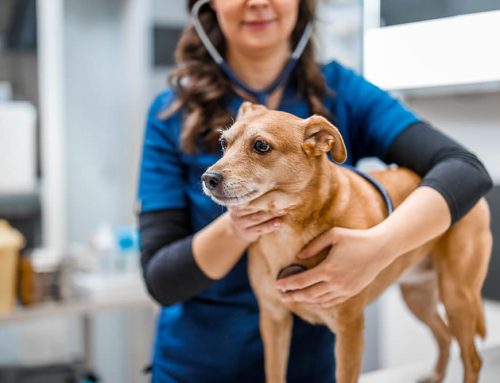
Our veterinarians use gentle, stress-free handling and diagnostics to determine the hematoma’s cause. Identifying the underlying trigger- whether infection, allergy, or trauma- is essential for complete healing and long-term prevention.
Recognizing the Signs of an Ear Hematoma
Hematomas can form suddenly, and early detection makes a huge difference in treatment outcomes. Common signs include:
- A soft, fluid-filled swelling on one or both ear flaps
- Repeated head shaking or rubbing the ears against furniture
- Whining, yelping, or pulling away when the ear is touched
- A drooping or misshapen ear compared to normal
- Visible redness, discharge, or odour suggesting infection
Dogs with floppy ears- like Spaniels, Retrievers, and Hounds- tend to be more susceptible because their ear structure traps moisture and debris, creating an ideal environment for irritation. Their floppy ears are also more prone to trauma, as they flap against their heads, furniture, doorframes, or anything else in their path.
If you notice these symptoms, schedule a veterinary exam right away. At Valley Center Veterinary Clinic, we offer urgent evaluations and emergency care to relieve discomfort quickly and protect ear integrity.
Causes and Risk Factors
Hematomas almost always develop secondary to another issue. Unless the root cause is addressed, recurrence is likely.
Underlying Causes Include:
- Ear infections: Chronic otitis externa irritates the ear canal, prompting scratching and shaking.
- Allergies: Dog allergies– whether environmental or food-related- cause persistent itching.
- Parasites: Ear mites can cause severe irritation and inflammation.
- Trauma: Rough play or accidental bumps can rupture small blood vessels.
- Breed predispositions: Dogs with long, heavy ears or those prone to allergies (like Labradors and Cocker Spaniels) are at increased risk.
In some cases, hematomas develop alongside other dermatologic or systemic conditions, such as autoimmune disorders that affect blood clotting or hormonal imbalances that weaken the skin’s resilience. Our veterinarians may recommend allergy testing, bloodwork, or cytology to identify hidden causes when ear issues keep returning.
Underlying causes such as ear infections or allergies require dedicated treatment. Through ongoing preventive wellness care, our veterinarians develop long-term plans to control itching and inflammation, minimizing the chance of future hematomas.
Treatment Options for Ear Hematomas
Medical vs. Surgical Treatment
The right approach depends on hematoma size, chronicity, and cause.
Medical management may include needle aspiration to drain the fluid and corticosteroids to reduce inflammation. However, fluid often reaccumulates, so this option works best for small or early hematomas. Some mild cases respond to anti-inflammatory medication and ear treatment if the swelling is caught quickly.
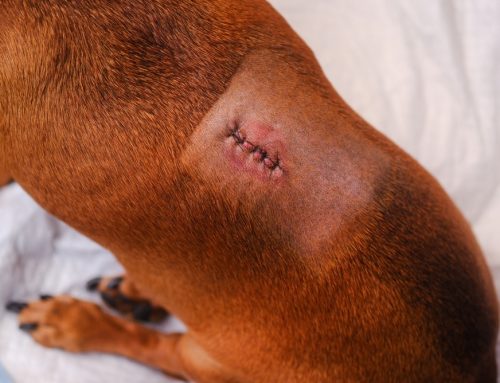
For larger or chronic cases, surgical repair is preferred. During surgery, the hematoma is opened, drained, and sutured to prevent future fluid buildup. The ear is then bandaged or supported with a special dressing to maintain shape and promote healing.
Our surgery department uses modern anesthesia monitoring and minimally invasive techniques whenever possible. The procedure typically provides immediate relief, and most dogs return to normal activity within a couple of weeks. We also recommend cold laser therapy to help speed healing and decrease inflammation- it’s great for both healing hematomas and ear infections.
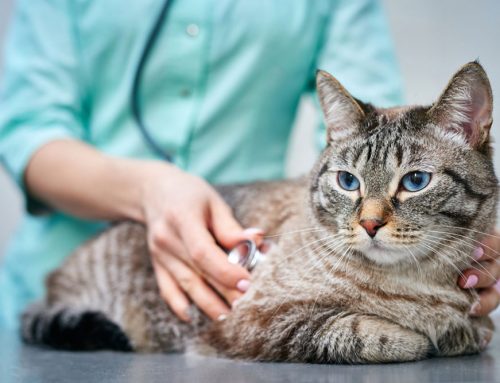
Alongside treatment, your vet may recommend diagnostic tests like ear cytology to check for bacteria, yeast, or mites. Proper ear cleaning after surgery or drainage helps maintain hygiene and prevents reinfection.
Following treatment, we also evaluate whether your dog needs medication for pain control, allergy management, or infection prevention to support full recovery and minimize recurrence.
Post-Treatment Care and Prevention
After treatment, follow-up care ensures proper healing and prevents recurrence. Dogs recovering from ear hematoma surgery may wear a head wrap or Elizabethan collar to stop scratching and shaking while the ear stabilizes.
Key home care steps include:
- Keeping the incision clean and dry
- Administering all medications as prescribed
- Returning for scheduled rechecks
- Avoiding vigorous play or water exposure during recovery
Protective gear such as a No Flap Ear Wrap helps reduce motion and promote circulation.
During follow-up visits, our veterinarians check for proper drainage, tissue healing, and early signs of reaccumulation. Once sutures are removed, we re-evaluate your pet’s ears for infection or allergy control to prevent another flare-up.
Treating the Underlying Causes
For pets with chronic or recurrent ear problems related to allergies, identifying the specific allergens and treating allergy symptoms is crucial for long-term management.
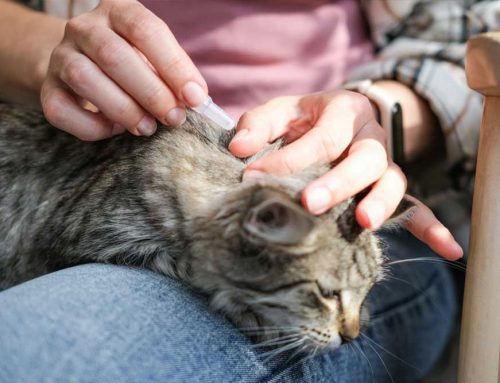
Atopic dermatitis, or environmental allergies, commonly affects the ears, causing inflammation, itching, and secondary infections. Allergy testing helps pinpoint environmental triggers. Once allergens are identified, immunotherapy (allergy shots or oral drops) can be customized to desensitize your pet’s immune system over time, reducing allergic reactions and the frequency of ear infections. Medications like Cytopoint and Apoquel also help to decrease itchiness, which prevents your pet from scratching and damaging their ears.
Food allergies are another common cause of chronic ear inflammation in dogs and cats. Proteins like beef, chicken, dairy, and wheat are frequent culprits, though any ingredient can potentially trigger an allergic response. The only reliable way to diagnose food allergies is through a strict elimination diet trial, which typically lasts 8-12 weeks. Our team provides detailed guidance on selecting appropriate prescription diets, managing the trial period, and transitioning to long-term hypoallergenic nutrition that keeps your pet comfortable and ear infections at bay.
Year-round parasite prevention is essential for protecting your pet from ear mites, fleas, and ticks that can contribute to ear itchiness and infections. Routine wellness and preventive care visits allow us to catch ear inflammation early, clean ears professionally, and tailor at-home hygiene plans for your pet.
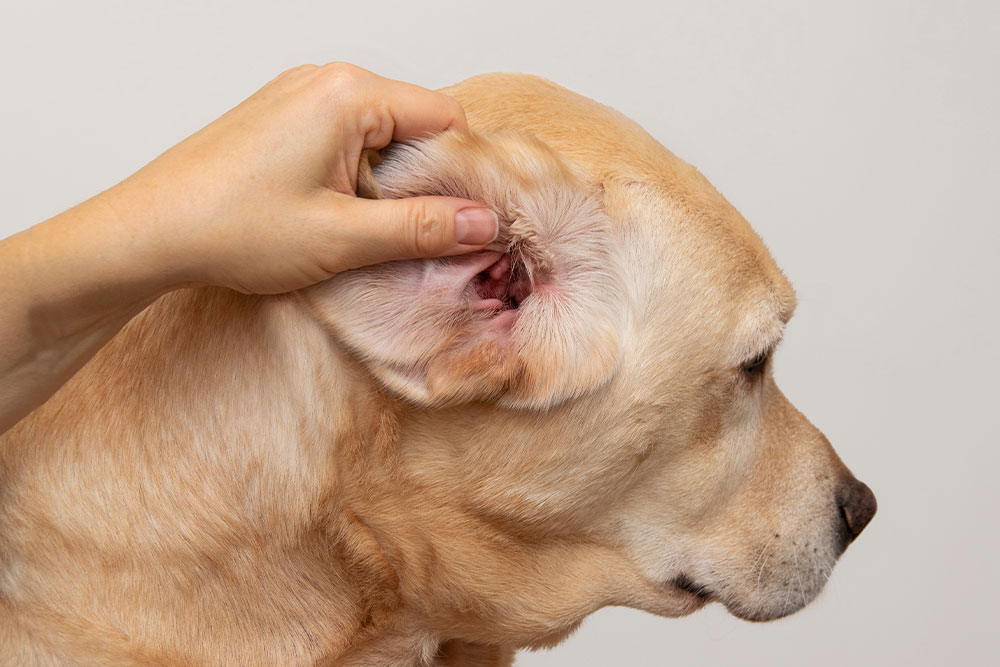
Why Early Intervention Matters
Timely veterinary intervention means less discomfort for your pet and faster healing with fewer cosmetic changes. Early care often means a simpler treatment- sometimes just drainage and medication- whereas waiting could require surgery and longer recovery.
At Valley Center Veterinary Clinic, our team is experienced in diagnosing and treating ear conditions from simple irritations to complex surgical cases. We pair state-of-the-art diagnostics with compassionate care and AAHA-accredited excellence to deliver the best possible outcome.
If your dog’s ear looks swollen, warm, or tender, don’t wait for it to “go away on its own.” Early care makes all the difference. Request an appointment or contact us today to schedule an ear evaluation. Together, we can restore your pet’s comfort, prevent recurrence, and keep those ears healthy for years to come.