
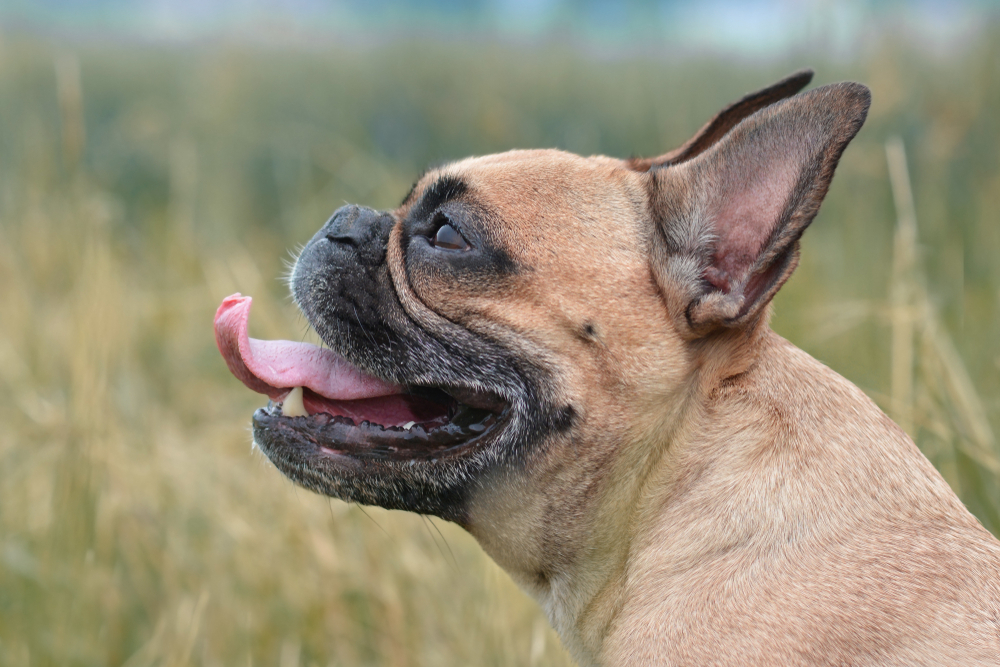
Is that cute little snort your dog makes actually a sign of distress? For many pet parents- especially those with short-nosed breeds like Bulldogs, Pugs, or Shih Tzus- snoring is part of daily life. But while some snoring is harmless, it can also signal an underlying problem that’s making it harder for your dog to breathe. Recognizing when snoring moves from “adorable” to “abnormal” can help you protect your pet’s long-term comfort and health.
At Valley Center Veterinary Clinic, our collaborative approach to care means that we don’t just listen to your dog’s breathing- we look deeper. Through diagnostic evaluations and wellness and preventive care, our team helps identify whether snoring stems from normal anatomy or a correctable issue affecting airflow and energy levels.
Why Dogs Snore: Understanding Brachycephalic Airway Concerns
Snoring happens when airflow through the nose or throat is partially obstructed, causing vibrations in soft tissues. While any breed can snore, it’s especially common in brachycephalic dogs– those with short, flat faces and compact airways. These short-nosed dogs have unique anatomical challenges that make breathing more effortful.
Even if your dog seems comfortable, persistent snoring may mean their body is working harder to get enough oxygen- particularly at night or after exercise. In some cases, owners may also notice fatigue, blue-tinged tongues, excessive panting, or noisy breathing when the dog is excited. Over time, chronic airway strain can lead to secondary issues such as inflammation, heatstroke, laryngeal collapse, or reduced exercise tolerance.
Regular wellness exams allow your veterinarian to monitor breathing patterns, evaluate the nose and throat, and ensure your dog stays active and safe year-round.
Brachycephalic Breed Traits and How Anatomy Affects Breathing
The Unique Features of Short-Nosed Breeds
“Brachycephalic” translates quite literally to “short head”. Dogs with shortened skulls have all the same amount of airways structures as a normal dog- just compressed into a much smaller area. This flattened shape narrows nasal passages and often results in a soft palate that’s too long for their head, which then partially blocks airflow. Breeds like Bulldogs, Boston Terriers, Boxers, and Pekingese are predisposed to these challenges.
At Valley Center Veterinary Clinic, we provide breed-specific assessments that consider your dog’s structure, age, and lifestyle. During puppy checkups, our veterinarians evaluate airflow and oxygenation to help guide decisions about preventive care, weight control, and potential surgical options when needed.
Common Airway Complications That Increase Snoring
Brachycephalic Obstructive Airway Syndrome (BOAS)
Breathing problems in flat-faced dogs are often caused by a group of structural airway abnormalities collectively known as brachycephalic obstructive airway syndrome. BOAS is not a single disorder, but a combination of four anatomic problems that work together to restrict airflow and increase breathing effort. These conditions are present from birth, but clinical signs often worsen with age, weight gain, heat exposure, or increased activity.
- Stenotic nares: Narrowed nostrils significantly limit the amount of air that can enter the nose, forcing dogs to breathe through their mouths even at rest. This constant resistance increases airway turbulence, leading to snorting, loud breathing, and reduced exercise tolerance. Over time, the increased effort required to inhale places strain on the rest of the upper airway. Dogs with stenotic nares often show worsening symptoms in warm or humid conditions.
- Elongated soft palate: In many brachycephalic dogs, the soft palate extends too far back into the throat, partially blocking the airway during breathing. As air moves past the excess tissue, it vibrates, creating the characteristic snoring or gagging sounds. During excitement or exercise, the soft palate can obstruct airflow even further, leading to coughing, retching, or collapse. Chronic irritation from abnormal airflow can also cause inflammation that narrows the airway over time.
- Everted laryngeal saccules: These small pockets of tissue near the vocal cords are not a primary defect but develop secondary to long-term breathing resistance. As dogs struggle to inhale against narrowed nostrils and an elongated soft palate, negative pressure pulls the saccules into the airway. This further reduces airflow and increases breathing noise, creating a cycle of progressive obstruction. Once present, everted saccules can significantly worsen respiratory effort and clinical signs.
- Hypoplastic trachea: A hypoplastic trachea is abnormally narrow along its entire length, limiting the amount of air that can reach the lungs. This condition reduces respiratory efficiency and increases the work required for normal breathing. While the trachea itself cannot be surgically widened, recognizing this condition is essential for managing expectations and overall airway health.
When these four abnormalities occur together, they compound one another, increasing the risk of oxygen deprivation and respiratory distress. Early evaluation and intervention can slow progression and reduce long-term complications.
At Valley Center Veterinary Clinic, our experienced surgical team evaluates each component of BOAS to determine whether corrective procedures are appropriate. Using advanced diagnostics, precise surgical techniques, and modern anesthetic monitoring, we work to reduce breathing effort and improve comfort and quality of life for affected dogs.
Respiratory Health for Brachycephalic Dogs
Weight Control and Heat Safety
Body weight plays a major role in how easily your dog can breathe and regulate body temperature. Extra fat around the neck and chest compresses already narrowed airways, while excess body weight increases strain on the heart and lungs. Maintaining a lean body condition is critical for thermoregulation and helps short-nosed breeds tolerate exercise and warm environments more safely.
Simple adjustments can make a meaningful difference:
- Feed measured meals and avoid high-calorie snacks
- Walk during cooler hours to reduce the risk of overheating
- Avoid collars or tight-fitting harnesses that put pressure on the neck
Environmental triggers also matter. Strong perfumes, smoke, dust, and poor air quality can worsen nasal inflammation and breathing noise. For dogs living in warm climates or prone to overheating, cooling mats, shaded rest areas, and indoor fans can help support respiratory comfort during recovery periods.
Our veterinarians can help you develop individualized nutrition and activity plans that balance safety with quality of life. With structured wellness care, brachycephalic dogs can remain active while minimizing unnecessary airway stress.
Surgical Management for BOAS
For many brachycephalic dogs, lifestyle management alone is not enough to correct structural airway obstruction. Surgical intervention can significantly improve airflow, reduce breathing effort, and decrease the risk of life-threatening respiratory crises. Corrective procedures are designed to address specific anatomic abnormalities, such as widening stenotic nares, shortening an elongated soft palate, or removing obstructive tissue that restricts airflow. Corrective surgery for dogs with brachycephalic airway syndrome plays a critical role in long-term health and comfort, and earlier intervention is associated with better outcomes and less progression of secondary airway damage.
At Valley Center Veterinary Clinic, these procedures are performed using advanced surgical techniques, including the use of surgical laser technology when appropriate. Laser surgery allows for greater precision, reduced tissue trauma, improved visualization, and faster healing compared to traditional methods. This approach is especially beneficial in delicate airway tissues where swelling and bleeding can significantly impact breathing during recovery.
Valley Center’s AAHA accreditation reflects a commitment to the highest standards in surgical care, anesthesia, monitoring, and patient safety. When combined with weight management and ongoing medical oversight, surgical correction can dramatically improve comfort, stamina, and overall quality of life for affected dogs.
Anesthesia Safety in Short-Nosed Breeds
Tailored Protocols for Extra Protection
When a brachycephalic dog requires anesthesia- whether for dental cleaning, imaging, or surgery- special precautions are essential. Pre-anesthetic blood screening and airway assessments help identify potential risks before sedation begins. During the procedure, advanced monitoring ensures the airway remains clear and oxygen levels stay stable.
Anesthetizing short-snouted pets requires a customized approach, from drug selection to recovery support. Our team’s extensive experience with these breeds means your dog’s procedure is planned with precision and care. We use state-of-the-art monitoring technology, gentle intubation techniques, and attentive post-operative observation for a smooth, safe recovery.
Owners can help by following pre-surgical fasting and medication instructions carefully, and by planning for quiet rest after anesthesia to minimize respiratory stress.
When to Seek Veterinary Help
Recognizing Signs of Serious Airway Trouble
Snoring alone doesn’t always mean an emergency, but certain symptoms demand prompt attention. Call for help immediately if your dog shows:
- Noisy or labored breathing even at rest
- Excessive panting or struggling to inhale
- Gagging, fainting, or collapse episodes
- Blue or gray gums or tongue
- Distress after minimal activity
Our emergency team is equipped to handle respiratory crises and stabilize dogs in distress. If you’re unsure whether your pet’s symptoms are urgent, call ahead- our staff can guide you through next steps and determine if immediate evaluation is needed.
Supporting a Comfortable, Healthy Life for Brachycephalic Dogs
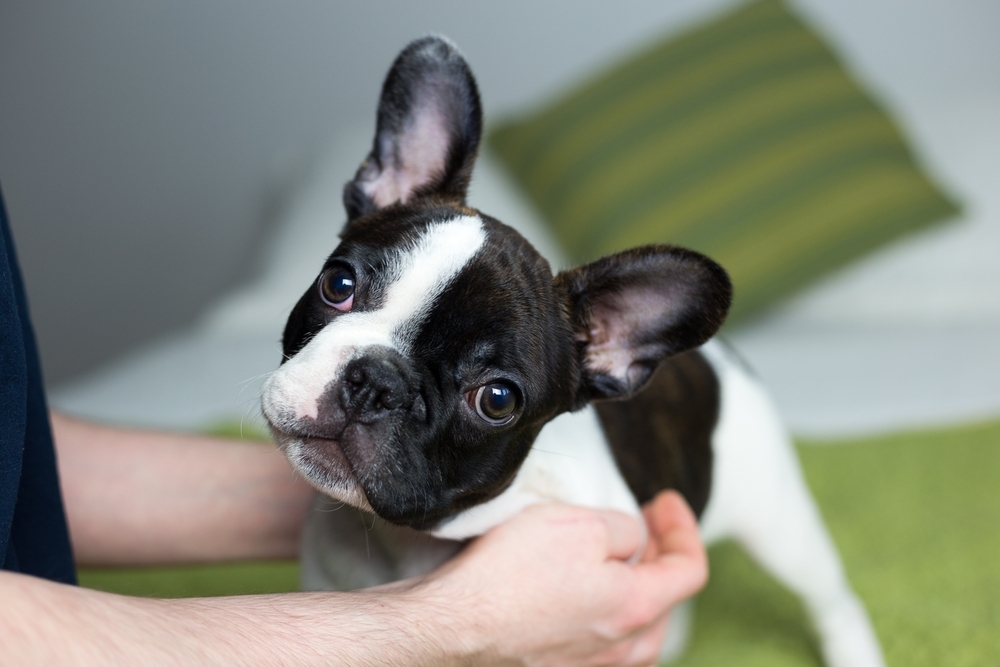
Short-nosed breeds are full of personality, loyalty, and love- and with the right care, they can live long, happy lives. By maintaining a healthy weight, monitoring for breathing changes, and scheduling regular veterinary checkups, you can help your dog breathe easier every day. Routine exams also allow your veterinarian to track subtle changes in airway noise or breathing effort before they become serious problems.
At Valley Center Veterinary Clinic, we’re passionate about empowering pet owners with the knowledge and resources they need to support their dog’s health. From preventive breathing assessments to advanced diagnostics and corrective care, our collaborative team ensures your pet receives the best at every visit.
If your dog’s snoring has changed or their breathing seems labored, don’t wait. Request an appointment or contact us today to schedule a breathing evaluation or wellness check. Together, we’ll help your dog rest- and breathe- more comfortably.