


Some vaccines protect against inconveniences. The DHPP is not one of them. Distemper, hepatitis, parvovirus, and parainfluenza are diseases that can kill an unvaccinated puppy quickly and without warning, and parvo in particular is remarkably persistent in the environment, surviving on surfaces and in soil long after an infected dog has been and gone. The DHPP vaccine is one of the cornerstones of canine preventive medicine precisely because the diseases it covers are that serious, and because the protection it provides, when administered on the right schedule, is that reliable.
Valley Center Veterinary Clinic is an AAHA-accredited practice in Valley Center, CA, and our puppy wellness packages are designed to walk you through every component of that critical first year, including the DHPP series on a schedule that provides the best possible protection. We take time to explain the reasoning behind every recommendation so you leave feeling genuinely informed rather than just vaccinated and sent home. Contact us to schedule a puppy wellness visit and get the vaccine conversation started.
What Does the DHPP Vaccine Actually Protect Against?
DHPP is a combination of vaccinations that delivers protection against five distinct diseases in a single injection: distemper, two types of adenovirus, parvo, and parainfluenza. Bundling these into one vaccine is efficient and reduces the number of injections a puppy needs during the series. What those four letters stand for matters, though, because each disease has its own profile of risk and severity.
Canine Distemper: Serious, Systemic, and Still Present
Canine distemper is a highly contagious viral disease that attacks the respiratory tract, gastrointestinal system, and ultimately the nervous system. Early signs look like a bad upper respiratory infection, but the disease progresses to vomiting, diarrhea, and in surviving dogs, neurological damage including seizures and paralysis. The mortality rate in unvaccinated puppies is high. There is no cure; treatment is supportive care while the immune system fights. Distemper and parvo outbreaks are occurring across the country as vaccination rates slip in some communities.
Southern California’s Border Proximity and Disease Import Risk
Valley Center’s proximity to the southern border adds a dimension of risk that most of the country simply does not face, driven by the volume of dogs entering the region through rescue transfer programs, informal importation, wild canids like coyotes and foxes, and the movement of owned pets across the border. Distemper prevalence in domestic dogs and wild canids in Mexico is substantially higher than in vaccinated US dog populations, and infected animals can transmit the virus before they show symptoms. This means a dog can arrive in the US appearing healthy and shed the virus for up to six weeks before falling ill themselves. Vaccination is the only reliable protection.
Infectious Canine Hepatitis: Targeting the Liver and More
Infectious canine hepatitis is caused by canine adenovirus type 1 (CAV-1) and spreads through contact with the urine, feces, or saliva of infected dogs. It targets the liver, kidneys, eyes, and blood vessel linings. Mild cases involve fever and vomiting; severe cases can progress to acute liver failure and sudden death within 24 to 48 hours. The DHPP vaccine uses CAV-2, which provides cross-protection against hepatitis while also covering a respiratory adenovirus that contributes to kennel cough. California is rated severe for adenovirus risk by current outbreak surveillance data, one of only three states with that designation, making this a particularly relevant vaccine component locally.
Canine Parvovirus: The One That Keeps Pet Families Up at Night
If there is one disease on this list that consistently alarms veterinary teams, it is canine parvovirus. The virus attacks the intestinal lining and suppresses immune cell production, leaving the puppy unable to absorb nutrients or fight infection. The clinical picture is severe: profuse bloody diarrhea, persistent vomiting, rapid dehydration, and sepsis. Mortality rates in untreated puppies are extremely high, and even with intensive hospitalization and IV fluids, not every patient survives.
California is identified as a high-risk state for parvo, and the virus can survive in soil and on surfaces for months to over a year. It can be tracked into a home on shoes without any direct contact with a sick dog. Our puppy wellness program is structured specifically around getting the timing windows right.
Canine Parainfluenza: The Social Disease
Kennel cough is caused by a combination of pathogens, and parainfluenza virus infection is consistently among them. California is currently one of only two states with a severe parainfluenza risk rating, according to the same canine outbreak surveillance data, making vaccination here more than routine. Most cases produce a dry hacking cough, but in puppies or immunocompromised dogs, it can progress to pneumonia. If your dog spends time in social environments, it is also worth discussing Bordetella vaccination with us.
What Is the Right DHPP Schedule for My Dog?
Getting the timing right is not a formality. It determines whether protection actually develops. We follow modern, research-based vaccine recommendations from the American Animal Hospital Association.
Puppies receive their first DHPP between 6 and 8 weeks of age, with boosters every 3 to 4 weeks until 16 to 20 weeks old. The reason for the series is maternal antibodies: protection passed from the mother gradually wanes, and while present, it can interfere with vaccine response. The series is timed to catch the window when maternal immunity has faded enough for the puppy’s own immune system to respond.
Adult dogs receive a booster at one year, then every one to three years depending on vaccine type, health status, and lifestyle. Dogs with unknown histories receive an initial dose followed by a booster four weeks later.
| Life Stage | Timing |
| Puppy series start | 6–8 weeks of age |
| Boosters | Every 3–4 weeks until 16–20 weeks |
| First adult booster | 1 year after puppy series |
| Ongoing adult boosters | Every 1–3 years per veterinary guidance |
What Happens If I Skip or Delay a Vaccine?
This is one of the most important questions to ask, and the honest answer is: the risk is real and local.
Skipping or delaying a dose during the puppy series leaves a gap in protection during the most vulnerable weeks of a dog’s life. Because parvo can survive in the environment for over a year and be carried in on clothing or shoes, an unvaccinated puppy does not need to leave the house to be exposed. An outbreak in the Valley Center area or at a facility your puppy visited months ago can still pose a risk today.
For adult dogs, letting boosters lapse does not reset immunity entirely, but it narrows the margin of safety. A dog with lapsed vaccines who picks up parvo, distemper, or hepatitis faces a dramatically more serious illness than a vaccinated dog who encounters the same pathogen.
The Real Cost of Skipping a DHPP
The downstream consequences go beyond the illness itself. A dog who develops severe parvovirus, distemper, or hepatitis often requires emergency-level care: IV fluids, hospitalization, intensive monitoring, and sometimes days of critical support. As a worst-case scenario, a young puppy with severe parvo may need a week of emergency hospitalization, nutritional support, round-the-clock fluids, and intensive care, with bills pushing $10,000 and no guarantee of survival. Compare that to a vaccinated puppy who encounters parvo and may not get sick at all, or at worst has a few days of mild diarrhea.
The cost of treating a preventable disease almost always exceeds the cost of the entire puppy vaccine series, and the outcome is far less certain. Prevention is not just medically superior; it is the more financially protective choice for your family.
Is the DHPP Vaccine Safe?
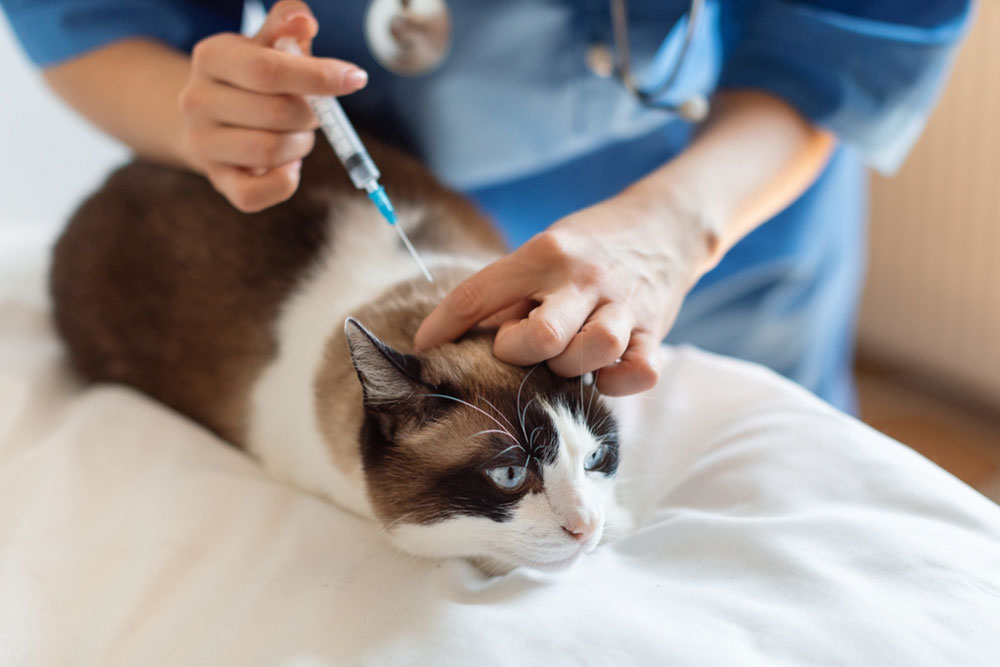
Yes. Most dogs tolerate it very well with no reaction at all. A smaller number show mild, temporary effects in the 24 to 48 hours following vaccination: soreness at the injection site, a little less energy, or reduced interest in their next meal. These resolve on their own.
Serious reactions are uncommon but possible. Signs that warrant a call to us include facial swelling, hives, persistent vomiting, difficulty breathing, or collapse. These are most likely to occur within a few hours of vaccination. If your dog has had a prior reaction, contact us before the appointment so we can adjust the protocol through premedication or modified scheduling.
How Does DHPP Fit Alongside Other Vaccines My Dog Needs?
DHPP covers four serious core diseases, but it is not the complete picture of canine vaccination.
Rabies vaccination is required by law in California and is administered separately. It is non-negotiable regardless of lifestyle. Leptospirosis is another core recommendation, as it can cause kidney failure and is transmissible to people. Other vaccines may be appropriate depending on individual exposure risk: Bordetella for dogs who board, attend daycare, or frequent dog parks; rattlesnake for dogs who spend time in grassy or rocky areas and on hiking trails; Lyme for dogs who travel to tick-heavy regions; and canine influenza for dogs with high social exposure.
Given Valley Center’s regional environment, the DHPP, rabies, Bordetella, leptospirosis, and rattlesnake vaccines are included in our standard adult dog wellness packages. We can walk through what your individual dog actually needs during any wellness and preventive care visit.
What Else Protects a Partially Vaccinated Puppy?
Vaccination is the foundation, but other practices matter while immunity is still developing.
- Avoid contact with dogs of unknown vaccine status
- Skip high-traffic areas like dog parks, city sidewalks, and pet stores until the series is complete
- Socialization can and should happen during this window, but choose controlled settings with vaccinated, healthy dogs: puppy classes, sitting in a cart at a hardware store, or a private backyard with no history of sick pets
- Wash hands after handling unfamiliar dogs and avoid tracking in soil in areas where parvo may be present
- Keep the puppy’s living area clean and avoid shared food or water bowls with dogs outside the household
- Schedule wellness visits on time so there are no accidental gaps in the series
Regular exams between vaccine appointments catch any health concerns early and allow recommendations to adjust as your puppy grows.
Our Puppy and Adult Wellness Packages Make This Affordable
One of the most common reasons families delay or skip vaccines is cost. We built our wellness packages specifically to remove that barrier.
Our puppy wellness packages come in three tiers, and all tiers include the full DHPP series, physical exams at every visit, and the rabies vaccine. Higher tiers include additional vaccinations, all at significant savings compared to individual visit pricing. Packages are available with affordable monthly payments starting as low as $39 per month, and most families save hundreds of dollars over the course of the puppy year. Spreading the cost over time means the first year of care does not have to feel like an all-at-once financial commitment.
Our adult dog wellness packages follow the same principle: everything your dog needs for the year, including all core vaccines, DHPP boosters, annual exam, heartworm testing, and parasite screening, bundled into a predictable monthly payment that results in hundreds in savings. It is the most efficient and cost-effective way to stay current on everything.
If cost has been keeping you from accessing the best preventive care for your dog, we understand. Great healthcare for pets can be expensive, and that is exactly why we created these packages. We are proud of our transparent pricing and offer five different payment plan options to help you provide the best care possible, and to keep preventable illnesses from becoming an emergency.
Frequently Asked Questions About the DHPP Vaccine
Can my puppy go outside before completing the full series?
Carefully, yes. Complete isolation is not necessary and actually interferes with critical socialization development. The goal is avoiding high-risk environments with unknown dogs. Homes of vaccinated dogs, puppy classes requiring vaccination proof, and low-traffic outdoor areas are generally lower risk. We can help you assess what makes sense for your specific puppy and neighborhood.
My adult dog missed a booster. Do they need to start over?
Not in most cases. A lapse does not reset immunity to zero, though we may recommend an initial dose followed by a booster rather than simply resuming the original interval. This depends on how long the gap was and your dog’s history.
Does my indoor-only dog still need DHPP?
Yes. Parvovirus in particular can be introduced to a home without any direct contact with another dog. Core vaccines are recommended regardless of lifestyle.
Is it normal for my puppy to seem tired after their vaccine?
Yes, mild fatigue for 24 to 48 hours is a common and normal response. If your puppy is not eating, is vomiting, or seems significantly worse rather than mildly tired, that warrants a call to us.
Vaccination Is the Foundation. Everything Else Builds on It.
The DHPP vaccine is one of the most straightforward interventions in veterinary medicine: safe, effective, evidence-supported, and protective against diseases that cause real suffering. Getting it right during puppyhood and maintaining appropriate boosters into adulthood is one of the best things you can do for your dog’s long-term health, and our wellness packages make doing it right affordable for every family.
At Valley Center Veterinary Clinic, we approach vaccination the way we approach all of preventive care: collaboratively, with clear explanations of what is being done and why, and with schedules tailored to the individual dog rather than a one-size-fits-all approach. Request an appointment to get started, or reach out with any questions about your dog’s current vaccine status and what protection they may need.



Leave A Comment