
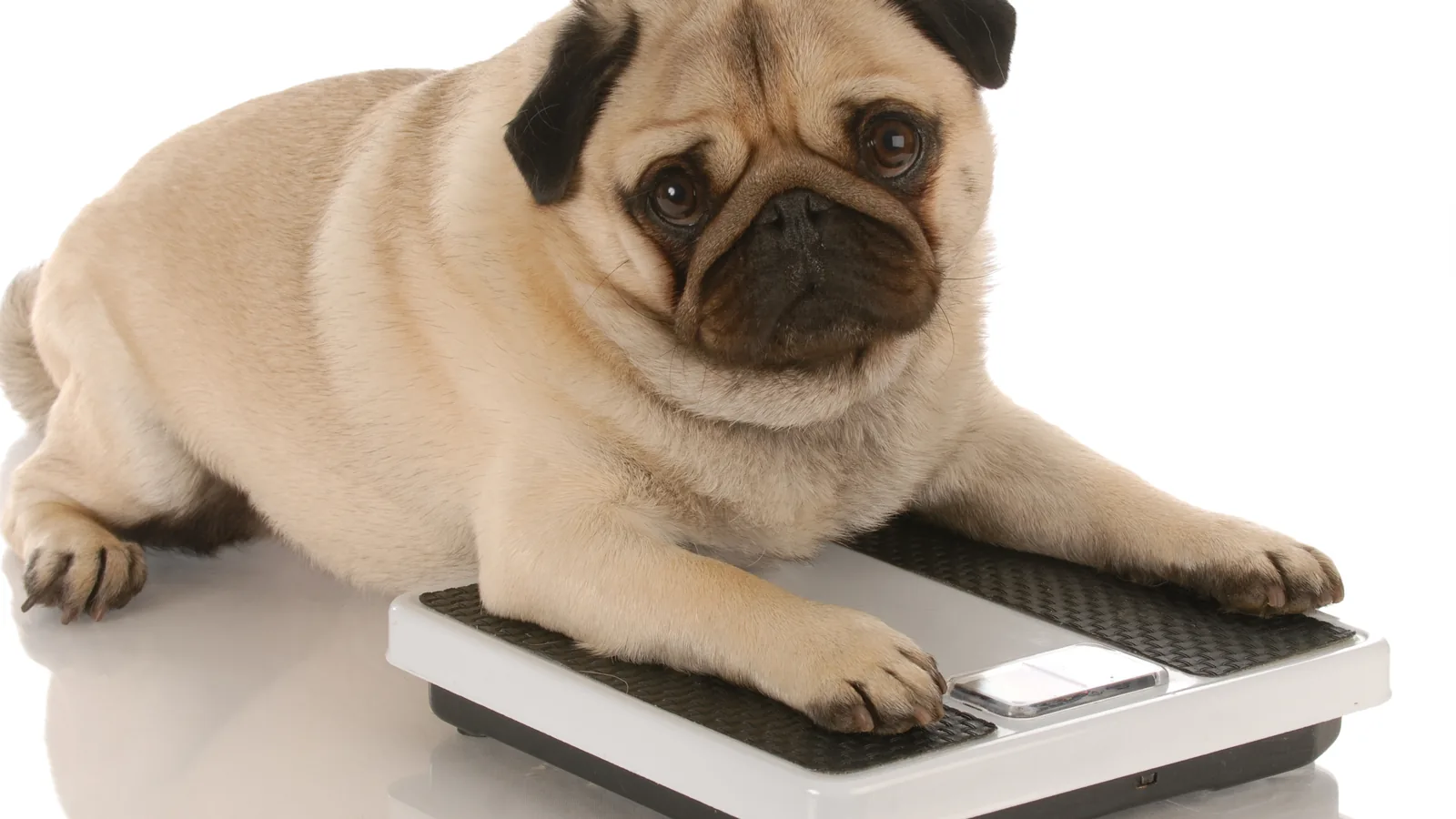
Noticing subtle changes in your pet's shape can be an important early clue about overall health, and body condition scoring offers a practical, hands-on way to understand what those changes mean. At Valley Center Veterinary Clinic, we use Body Condition Scoring, often called BCS, to assess fat and muscle together rather than relying on weight alone. This approach helps you see how body composition affects comfort, mobility, and long-term health. During routine visits, our team demonstrates how BCS works so you can confidently evaluate your pet at home, and our wellness and preventive care services support pets at every life stage.
As an AAHA accredited and Cat-Friendly Certified hospital, we believe education is one of the most powerful tools you have as a pet owner. When weight changes raise concern, we partner with you to understand whether those shifts are related to lifestyle, nutrition, aging, or an underlying medical issue. If you ever feel unsure about your pet's body condition or want guidance tailored to your dog or cat, you are always welcome to request an appointment and talk through next steps together.
Why Body Condition Scoring Gives a Clearer Picture of Health
Weight alone does not tell the full story. Two pets can weigh the same but have very different amounts of muscle and body fat. Body condition scoring looks at how fat is distributed and how well muscle mass is maintained, which gives a more meaningful snapshot of health.
BCS also helps identify trends early. Subtle changes can signal increased risk for joint strain, metabolic disease, or reduced stamina long before obvious symptoms appear. By tracking body condition over time, you can respond sooner and make adjustments that protect your pet's comfort and longevity.
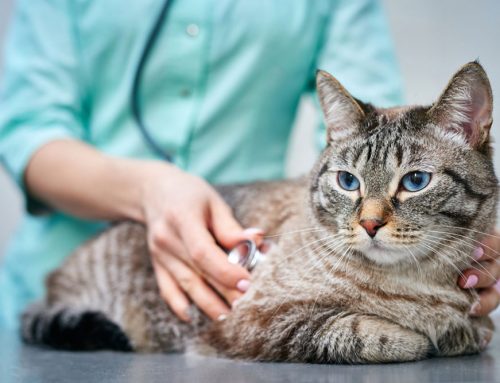
During visits for adult pets, including adult dog wellness and adult cat wellness, our team routinely checks BCS and explains what we are seeing so you can follow along.
How the Body Condition Scoring Scale Works
Veterinarians commonly use a nine-point scale to describe body condition. Each number reflects how easily ribs are felt, whether a waist is visible, and how fat is distributed.
- 1: Severely underweight, with ribs, spine, and hips clearly visible.
- 2–3: Underweight, with very little fat covering the ribs.
- 4–5: Ideal, with ribs easily felt, a visible waist from above, and an abdominal tuck from the side.
- 6–7: Overweight, with reduced waist definition and noticeable fat cover.
- 8–9: Obese, with heavy fat deposits and no visible waist.
When you are unsure where your pet fits, a professional assessment during a wellness visit can provide clarity and reassurance.
Why Pet Weight and Body Condition Matter So Much
Maintaining an appropriate body condition supports nearly every system in the body. Pets carrying excess weight face increased strain on joints, organs, and the cardiovascular system, while pets that are too thin may lack the reserves they need to stay strong and resilient.
Health Risks Linked to Weight Extremes
Body condition has a direct, measurable impact on how your pet's body functions day to day. When excess fat accumulates, it does not just sit under the skin. It actively changes hormone signaling, increases inflammation, and places added strain on organs that were not designed to carry extra load.
Pets that are overweight are more likely to develop metabolic conditions such as diabetes mellitus, which can affect energy levels, appetite, and long-term organ function. Extra body fat also increases pressure on the urinary system, raising the risk of painful urinary stones and recurrent urinary issues.
Carrying additional weight places mechanical stress on the spine and joints. This increases the likelihood of orthopedic and neurologic problems, including intervertebral disc disease, especially in breeds already predisposed to back pain. Excess weight is also a major contributing factor to arthritis, as extra pounds add stress to cartilage and joints, accelerating wear and tear that leads to chronic pain and reduced mobility. Over time, inflammation and reduced mobility can feed into one another, making movement more uncomfortable and limiting activity.
The cardiovascular system is also affected. Pets with excess weight often experience higher blood pressure, known as systemic hypertension, which forces the heart to work harder. This added workload increases the risk of developing or worsening heart disease and can reduce stamina during everyday activities.
Heat regulation becomes less efficient as well. Insulating fat traps warmth, making overweight pets far more vulnerable to overheating and life-threatening heat stroke, even during moderate exercise or warm Southern California weather.
Being underweight carries its own risks. Pets without adequate fat and muscle reserves may struggle to regulate body temperature, heal from illness or injury, and maintain immune strength. Muscle loss reduces joint support and balance, increasing the risk of falls and fatigue. In both directions, identifying body condition changes early allows us to intervene before these internal stresses quietly compound.
Medical Conditions That Can Change Your Pet's Body Condition
Sometimes changes in body condition happen despite your best efforts with diet and exercise. When this occurs, underlying medical conditions may be affecting your pet's metabolism, appetite, or ability to maintain healthy weight.
Conditions That Cause Weight Gain
Cushing's disease occurs when the body produces too much cortisol, a stress hormone. Affected dogs often develop a pot-bellied appearance, increased appetite, excessive thirst and urination, hair loss, and muscle weakness despite gaining weight. The redistribution of fat and loss of muscle mass can make body condition assessment particularly important in these cases.
Hypothyroidism develops when the thyroid gland doesn't produce enough hormone to regulate metabolism. Dogs with this condition often gain weight even when eating normal amounts, and may also show lethargy, skin changes, and cold intolerance. Because metabolism slows significantly, weight management becomes challenging without proper thyroid medication.
Conditions That Cause Weight Loss
Feline hyperthyroidism is one of the most common hormonal disorders in older cats. The overactive thyroid speeds metabolism dramatically, causing weight loss despite an increased or ravenous appetite. Affected cats may also show restlessness, increased vocalization, vomiting, diarrhea, and poor coat condition. Without treatment, muscle wasting becomes pronounced and other organs can be affected.
Chronic kidney disease is extremely common in senior cats and also affects dogs. As kidney function declines, pets often lose weight gradually due to decreased appetite, nausea, and the body's inability to retain important nutrients. Muscle wasting becomes a significant concern, and maintaining body condition becomes an important part of managing the disease.
Cancer can cause weight loss through multiple mechanisms. Some tumors directly interfere with eating or digestion, while others alter metabolism or cause pain that reduces appetite. Certain cancers produce substances that break down muscle and fat stores even when pets are eating. Unexplained weight loss, especially when accompanied by other changes like lumps, lethargy, or altered behavior, always warrants veterinary evaluation.
When to Seek Veterinary Evaluation
If your pet's body condition changes despite consistent feeding and activity levels, medical evaluation is important. We look for patterns in the change, assess other symptoms, and use bloodwork and imaging to identify underlying causes. Many of these conditions are highly treatable when caught early, and proper diagnosis allows us to create a plan that addresses both the disease and your pet's nutritional needs.
How to Check Your Pet's Body Condition at Home
You do not need special equipment to perform a basic body condition check. Your hands and eyes are enough to get useful information.
A Simple Step-by-Step Guide
- Feel the ribs: Use your fingertips to gently feel along your pet's ribcage. If the ribs feel like the knuckles on your fist, your pet may be underweight. If they feel like the back of your hand, that is often ideal. If they feel padded like your palm, excess fat may be present.
- Look from above: Stand over your pet and look for a waist behind the ribs. A visible narrowing suggests a healthier condition.
- View from the side: An abdominal tuck, where the belly rises behind the ribcage, is another sign of balance.
- Consider the coat: Thick fur can hide body contours, so hands-on checks are especially important.
Confirming your observations with a veterinary exam helps ensure accuracy and prevents unnecessary worry.
Nutrition and Weight Management Built Around BCS
Body condition scoring plays a central role in nutrition planning. Feeding recommendations are most effective when they are based on body composition, not just the number on the scale.
Building a Balanced Feeding Plan
Portion sizes and calorie needs vary widely based on age, activity level, and metabolism. Tools that explain how much to feed and a reliable pet calorie calculator can provide helpful starting points, but personalized guidance often leads to better results.
Our team frequently discusses nutrition during puppy and kitten visits, including puppy wellness and kitten wellness, to help establish healthy habits early.
Practical Strategies for Healthy Weight Change
Sustainable weight management focuses on gradual progress and consistency. Strategies supported by obesity prevention research include:
- Measured meals instead of free feeding
- Limiting treats and choosing lower-calorie options
- Encouraging daily activity and mental enrichment
- Regular weigh-ins and body condition checks
For pets that need to lose weight, tailored approaches such as weight loss for dogs or weight loss for cats help keep changes safe. For cats especially, avoiding rapid weight loss is critical due to the risk of hepatic lipidosis.
Clearing Up Common Myths About Pet Weight
Many loving owners assume a rounder body means a happier pet, or that treats are the best way to show affection. In reality, quality time, play, training, and enrichment strengthen your bond without adding unnecessary calories.
Why Weight Is Only Part of the Story
Muscle mass plays a major role in balance, joint stability, and overall strength. Two pets of the same breed and weight can look and feel very different depending on muscle tone. Breed standards also do not always reflect an individual pet's healthiest condition.
This is especially important as pets age. During senior pet wellness, we pay close attention to both muscle maintenance and fat distribution to support comfort and mobility.
How Your Veterinary Team Supports Safe Weight Changes
Veterinary guidance ensures that weight changes are both effective and safe. Our team evaluates diet, activity, and medical history, and when needed, uses diagnostics to rule out metabolic or hormonal concerns.
Regular monitoring allows plans to evolve as your pet's needs change. Consistent check-ins help prevent setbacks and keep progress on track.
Taking the Next Step Toward a Healthier Body Condition
A simple routine can make a meaningful difference:
- Feel ribs and check waistlines regularly
- Watch for changes in stamina or mobility
- Act early if body condition trends upward or downward
Professional assessments confirm what you see at home and help create realistic, personalized plans. If you would like help evaluating your pet's body condition, reviewing nutrition options, or understanding costs upfront through our transparent pricing, we invite you to contact us or schedule a visit. Together, we can support a healthier, more comfortable life for your pet.