
Dog Daycare in San Diego County: Vaccine Requirements, Safety Checks, and Smart Choices
Valley Center’s open spaces and outdoor lifestyle mean plenty of dogs here are active, social, and eager for playtime. Daycare can channel that energy into structured socialization and exercise, but the safety of the experience depends on how well you prepare. The right vaccines, current parasite prevention, and a facility that screens dogs carefully are the foundation. Skip any of those, and daycare goes from enrichment to risk.
As an AAHA-accredited practice, we hold ourselves to the highest standards of preventive care, and we bring that same thoroughness to helping you prepare for daycare. We can update your dog’s vaccines, confirm parasite protection, and walk you through what to look for in a facility. Request an appointment or contact us to get started.
What Does Quality Dog Daycare Actually Provide?
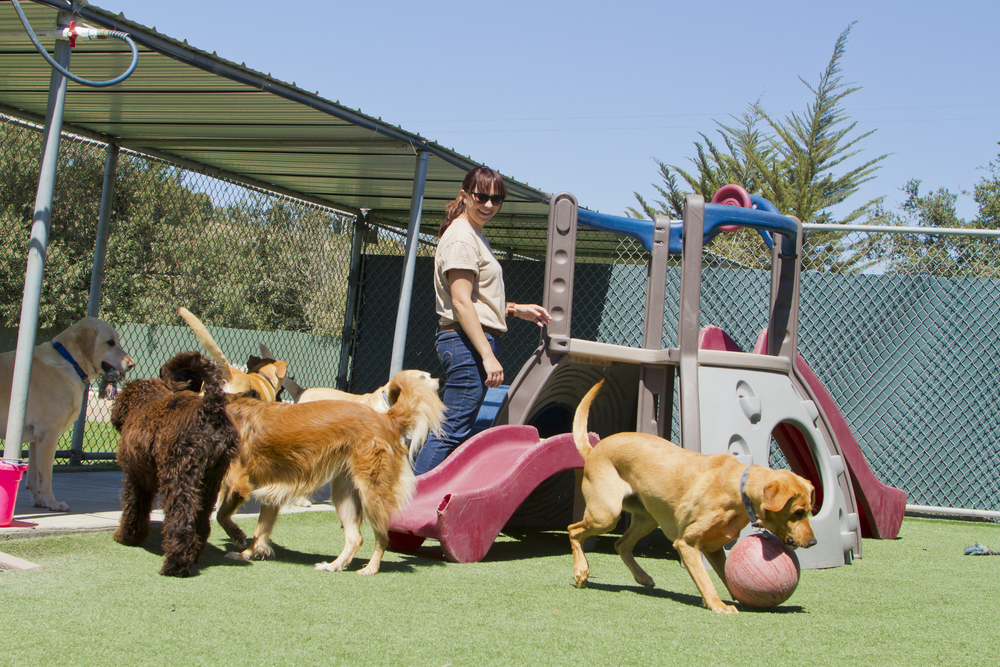
Structured daycare, when run well, does things that a backyard or a walk simply cannot replicate. Dogs get structured socialization, learn to regulate their behavior around other dogs, and burn physical energy in ways that reduce boredom-related behavior at home. Socializing your dog in supervised group settings builds confidence and adaptability over time.
The operative phrase is “when run well.” Quality matters enormously in this space, and the range between an excellent facility and a risky one is wider than most people realize before they start looking. The preparation is what determines how the experience goes: ensuring that vaccines and parasite prevention is up to date, your dog’s temperament is honestly assessed, and the facility is thoroughly evaluated.
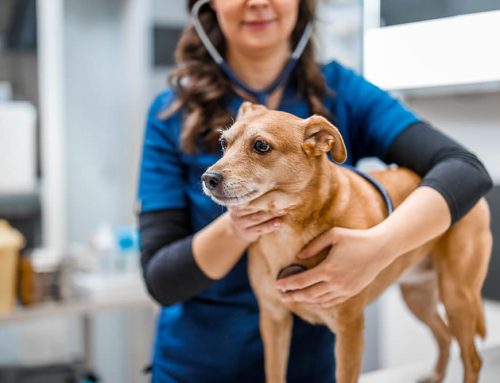
Before your dog’s first trial day, a wellness visit puts you in the best position to start. During your wellness and preventive care visit, we can confirm your dog’s vaccine status, ensure parasite prevention is current, and discuss whether daycare suits your dog’s personality and health status.
Is Dog Daycare Right for Every Dog?
No, and being honest about that matters. Dog tolerance for other dogs and for group environments varies significantly between individuals, and temperament has nothing to do with breed or size.
Dogs who are likely to thrive in daycare:
- Enjoy interacting with unfamiliar dogs and do not consistently find it stressful
- Are comfortable in busy, sometimes noisy environments
- Recover well from exciting or overstimulating experiences
- Are past puppyhood and have completed their vaccine series
- Are healthy and pain-free
Dogs who may not be good daycare candidates:
- Find group interaction with unfamiliar dogs stressful or unpredictable
- Have a history of conflict or resource guarding in group settings
- Are very young puppies still in their vaccine series
- Are elderly or managing chronic health conditions that make intense physical activity risky
Reading body language after pickup is one of the clearest ways to tell how a dog is actually experiencing daycare. A dog who comes home relaxed and settles easily had a good day. A dog who is stiff, avoidant, or difficult to wind down may be finding the environment more overwhelming than it looks.
When Is Boarding or Hiring a Dog Walker the Better Option?
For dogs who prefer quieter settings, have daily medication needs, or are managing a health condition that makes group activity inadvisable, private boarding or a dedicated dog walker provides more individual attention in a calmer environment. Daycare may make problems worse if your pet:
- Has ruptured a cruciate ligament in one leg but not the other (rough play increases the risk of rupture)
- Has a history of spinal or joint problems, like IVDD or hip dysplasia
- Is diabetic or has Addison’s Disease
- Has recently had surgery
- Has any condition causing chronic pain
If your dog is recovering from a procedure or has a chronic health condition, reach out and we can advise on what environment and activity level is appropriate. We get it- your dog may want to play, but some health conditions can easily be made worse with intense exercise or overly-exuberant play time.
Is Dog Daycare Safer Than a Dog Park?
For social dogs, a properly vetted daycare facility generally offers a meaningfully safer group environment than an unsupervised public park. Public dog parks in most areas have no requirements for vaccination status, no temperament screening, and no guaranteed supervision. The quality of oversight depends entirely on whether owners are watching actively, and that varies considerably.
Dog park risks include exposure to unvaccinated or unwell dogs, incompatible play styles without anyone intervening, and environments where attention can drift easily. A well-run daycare, by contrast, screens dogs before admission, verifies vaccines, groups by size and compatibility, and maintains staffing ratios that allow active monitoring throughout the day. The key word is properly vetted.
When Can Puppies Start Daycare?
Puppies should not enter general daycare until their core vaccination series is complete, typically around 16 weeks of age, because their immune systems are still developing and group environments carry real disease risk, particularly for parvovirus.
Some facilities offer dedicated puppy groups with stricter health requirements and age-appropriate play, which can be appropriate once a puppy is further along in their vaccine series. Check with the specific facility and with our team on timing for your individual puppy.
Puppy Socialization During the Vaccine Window
The critical socialization window for puppies closes around 12 to 16 weeks. Waiting until the full vaccine series is complete before any socialization is not recommended, because the window closes too early for that to be a viable approach. Puppy socialization during the vaccine period should happen in controlled environments with known, vaccinated dogs, and structured puppy classes with vaccination requirements are the safest way to accomplish that. Dog parks are an absolute NO.
The evidence on early socialization strongly supports classes with trained instructors over unsupervised group exposure during this window. Our puppy wellness packages include vaccine scheduling, socialization readiness guidance, and discussion of when group environments are appropriate for your specific puppy, all built around the milestones that matter most in that first year.
What to Look for When Evaluating a Daycare Facility
Never book a facility without a visit. A quality tour shows you where dogs spend their time, answers direct questions, and leaves you feeling genuinely informed rather than just reassured.
Safe group play between dogs does not mean no rough-and-tumble. It means the staff reads individual dogs accurately, intervenes before stress escalates to conflict, and removes dogs who need a break. The questions below are worth asking directly, not just in general terms:
- What vaccines are required, and how are records verified?
- How are dogs grouped by size and temperament, and what criteria determine that?
- How are dogs introduced to the group for the first time?
- What is the staff-to-dog ratio during active play?
- How are stress signals and conflicts handled?
- What are the cleaning and disinfection protocols for shared spaces and water bowls?
- What happens if a medical concern arises during the day?
- How is outdoor time managed during San Diego County’s summer heat?
- What communication will you receive about how the day went?
Facilities that give vague or dismissive answers to these questions are worth reconsidering. Good operators have clear protocols and are comfortable explaining them.
What Vaccines Are Required for Dog Daycare in San Diego County?
Most reputable daycare facilities in San Diego County require the following vaccines and documentation:
Core vaccine requirements:
- Rabies: required by law in California; the facility will typically require documentation with an expiration date
- DHPP or DAPP (distemper, hepatitis/adenovirus, parvovirus, parainfluenza): annual or triennial depending on vaccine type; most facilities require current status
- Bordetella (kennel cough): typically required every 6 to 12 months depending on the facility
- Canine influenza (H3N2 and H3N8): increasingly required in higher-exposure settings; ask each facility
Often recommended based on regional risk:
- Leptospirosis: relevant in San Diego County’s foothill and outdoor environments where wildlife exposure is common; our valley’s climate and access to open land makes this worth discussing with our team
- Rattlesnake vaccine: if the daycare has grassy outdoor areas- Valley Center’s rural terrain means rattlesnake exposure is a real consideration for outdoorsy dogs; we include it in adult dog wellness planning for appropriate patients
What Contagious Diseases Spread in Dog Daycare?
Even well-run facilities with good disinfection protocols carry some disease transmission risk. Vaccination and consistent prevention are what keep that risk manageable.
- Parvovirus: highly contagious through fecal contamination; survives in the environment for months; vaccination is the primary protection. Puppies and incompletely vaccinated dogs are most vulnerable.
- Kennel cough: a respiratory complex causing a distinctive persistent cough; spreads easily in group settings; Bordetella vaccine reduces severity and transmission
- Canine influenza: increasingly prevalent in the US; requires a two-dose initial series in previously unvaccinated dogs; check facility requirements
- Leptospirosis: spread through contaminated water and environments frequented by wildlife; particularly relevant in Valley Center’s open terrain; the L4 vaccine covers the four serovars most relevant to US risk
- Oral papilloma virus: wart-like lesions around the mouth; spreads through direct contact in puppies and young dogs; typically self-limiting
If your dog develops respiratory symptoms, digestive upset, or unusual lethargy after daycare, reach out to us for assessment. We can run diagnostics to evaluate what is driving symptoms and guide treatment.
What Parasites Can Dogs Pick Up at Daycare?
Beyond vaccine-preventable diseases, shared outdoor spaces and direct contact increase the risk of picking up parasites. Intestinal parasites can spread through shared environments even in clean facilities.
- Giardia: a single-celled intestinal parasite spread through contaminated environments; causes soft or watery stools; detected on fecal testing
- Ringworm: a fungal skin infection spread through direct contact; presents as circular, scaly patches
- Sarcoptic mange: intensely itchy mites spread through direct contact; transmissible to people
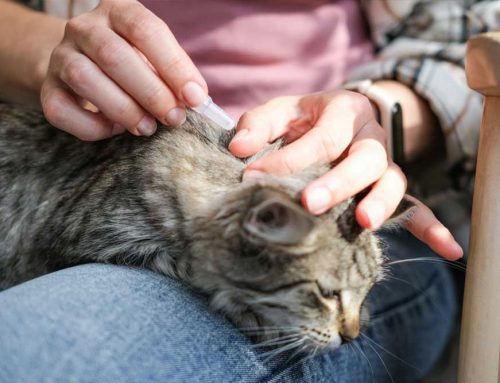
- Fleas: can easily hop from one pet to another and come home with your dog, so maintaining flea prevention is critical
Annual fecal testing catches intestinal infections even when dogs appear healthy, and is a standard part of our wellness preventive care protocol. Browse our full dog flea and tick and dog heartworm pharmacy options, and our team will help you select the product that covers your dog’s specific risks.
How to Check Your Dog After Daycare Pickup
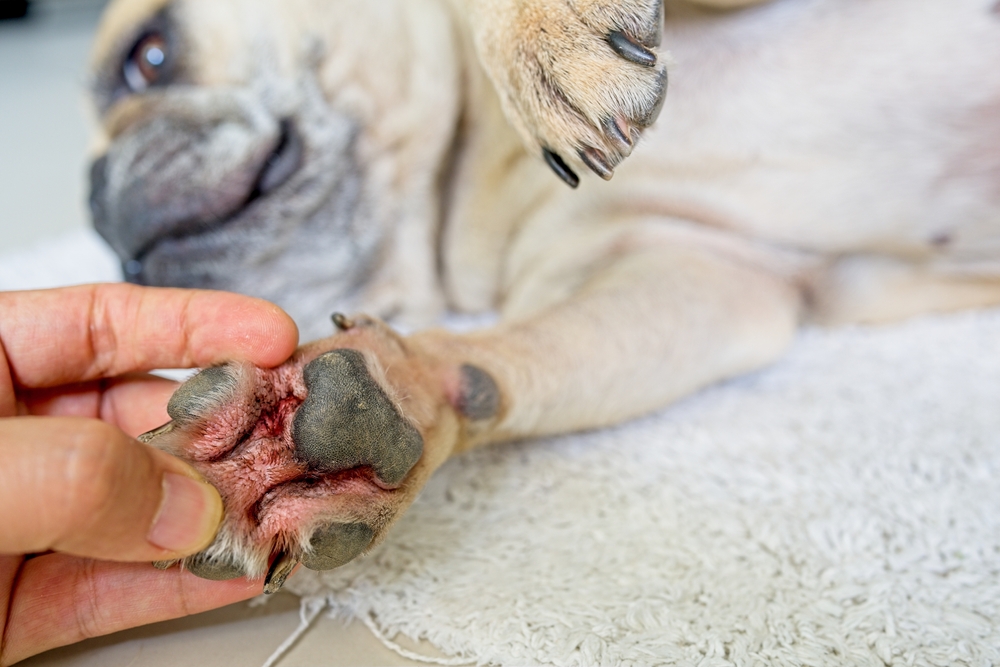
Do a quick physical check after every daycare session before driving home. Look for:
- Scrapes or grazes on the face, neck, or legs from play
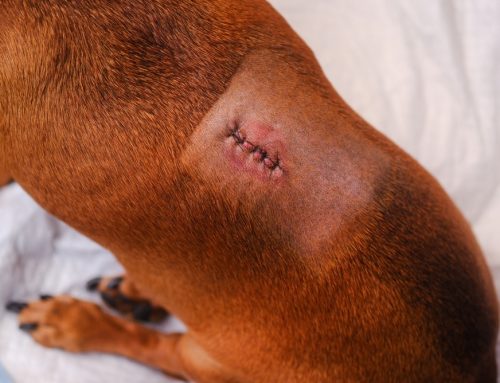
- Bite wounds, which often look minor on the surface but carry high infection risk
- Swelling, warmth, or discharge from any wound site
Any wound that is swelling or discharging within 24 hours needs veterinary assessment. We are available for emergency and urgent care during open hours for concerns that cannot wait.
How to Prepare Your Dog for Their First Daycare Session
Short, positive first experiences build confidence. A half-day trial before a full day, and a calm, brief drop-off, gives your dog time to adjust without being overwhelmed by too much at once.
Be honest with the facility about your dog’s history: medication schedules, anxiety triggers, resource guarding, joint limitations, and any previous group experiences that went poorly. Good facilities use that information. Be wary of facilities that dismiss it.
If your dog has mobility concerns or is managing arthritis, talk to our team before starting daycare about what exercise intensity is appropriate. Our adult dog wellness visits are a natural place to have that conversation as part of a broader health discussion.
Frequently Asked Questions About Dog Daycare in San Diego County
What vaccines do most daycares in San Diego County require?
Rabies, DHPP/DAPP, and Bordetella are nearly universal requirements. Canine influenza is increasingly required at higher-exposure facilities. In Valley Center specifically, leptospirosis is worth discussing given local wildlife exposure. Our team can confirm your dog’s current status and update anything that needs it.
How do I know if my dog is enjoying daycare?
A relaxed dog who comes home and settles easily had a positive experience. A dog who is stiff, avoidant of other dogs afterward, or difficult to settle may have found it overwhelming. Starting with shorter sessions makes it easier to read the response.
When can my puppy start daycare?
Most puppies should wait until their core vaccine series is complete around 16 weeks. Puppy socialization classes with vaccination requirements are the safer option during the vaccine window. Our puppy wellness packages include guidance on exactly when group environments are appropriate for your puppy’s age and vaccine status.
Is dog daycare safe during San Diego County summers?
Heat is a real consideration for outdoor-active dogs in our region. Ask any facility you are evaluating how they manage outdoor time during warm weather, whether they have shaded areas and water readily available, and what their protocol is for signs of overheating. This is one of the questions worth asking directly on your facility tour.
Prepared Dogs Have Better Experiences
The outcome of daycare, whether it becomes a meaningful part of your dog’s week or a source of stress and illness, depends largely on the preparation that happens before the first drop-off. Up-to-date vaccines, comprehensive parasite prevention, an honest assessment of your dog’s temperament, and a facility that takes its own screening seriously are what make daycare genuinely enriching rather than a gamble.
Request an appointment at Valley Center Veterinary Clinic to get your dog’s vaccines and prevention current before their first session. Our team is ready to help you prepare properly.