

Heartworm in Southern California: A Hidden but Real Threat
You take every step to keep your dog or cat healthy- from regular vet visits to premium food and daily exercise. But when you live in Southern California, there is one threat that often gets overlooked: heartworm disease. Many pet owners assume that because their pets stay indoors or because we have fewer mosquitos than more humid regions, they are protected. Unfortunately, mosquitoes are everywhere, and they do not respect walls, screens, or quick trips outside. A single bite can transmit this dangerous parasite, and once infected, pets face serious, sometimes life-threatening complications that can take months or years to fully develop.
At Valley Center Veterinary Clinic, we help protect pets year-round with personalized wellness and preventive care. Our veterinarians design prevention plans that fit each pet’s needs and lifestyle, making consistency simple and long-term protection dependable.
Heartworm Risk in Southern California
Despite the dry climate, Southern California is far from heartworm-free. Mosquito populations thrive in pockets of warmth and moisture created by irrigation systems, barns, golf courses, orchards, horse facilities, and landscaped neighborhoods. Even small amounts of standing water in planters, gutters, or lawn depressions can support mosquito breeding. Regional data on canine heartworm prevalence shows confirmed cases throughout California, including inland communities where warm evenings and year-round gardening create ideal mosquito conditions.
Mosquitoes also adapt well to urban and suburban microclimates. Many species rest in shaded patios, garages, or sheds during the day and become active at dusk. Others remain indoors after entering through open doors or torn screens. Because they can survive in sheltered spaces, pets are exposed during quick potty breaks, neighborhood walks, or even while resting near a screen door. Indoor cats are at risk as well, especially those living in homes with open windows or entryways.
Rescue transport programs increase the risk by bringing dogs from high-prevalence states into California. An infected dog can act as a reservoir that allows local mosquitoes to pick up larvae and spread them to unprotected pets in the community. Climate change and extended warm seasons amplify this problem, allowing mosquitos to remain active for more months of the year.
Even pets that rarely go outside can be bitten. A determined mosquito needs only a few seconds on exposed skin. Our team tailors prevention to each pet’s environment and lifestyle, ensuring protection through every season, including the cooler months when mosquitoes remain active in warm pockets of Valley Center.
Understanding Heartworm Disease
How Heartworm Affects Dogs and Cats
Heartworm disease begins with a single mosquito bite that transmits microscopic larvae into a pet’s bloodstream. Over the course of months, these larvae develop into long, threadlike worms that lodge in the heart, lungs, and major blood vessels. As they grow, they obstruct blood flow and trigger inflammation that gradually damages the cardiovascular system.
Dogs experience the full life cycle of the parasite, which means worms can grow to full size, reproduce, and cause ongoing damage. Early signs may include a soft cough, mild exercise intolerance, or occasional fatigue, but many dogs show no symptoms until the disease is advanced. As the burden increases, they may develop severe coughing, weight loss, breathing difficulty, or signs of right-sided heart failure.
Cats are not natural hosts, but they can still suffer from acute inflammation in the lungs. Even a single worm can trigger respiratory distress or sudden collapse. Because cats typically have low worm burdens, testing is more complex and treatment options are extremely limited. Preventing infection is the only reliable way to keep cats safe.
Recognizing Early Signs of Heartworm Disease
Symptoms to Watch For
Heartworm disease is often silent for months or years, which is why routine screening is so important. In dogs, early symptoms may include a mild, persistent cough or a sudden decrease in stamina. As the disease progresses, owners might notice more obvious heart disease signs such as labored breathing, fainting, abdominal swelling, or profound fatigue after simple activity.
Cats can be more difficult to evaluate. Vomiting unrelated to meals, rapid or open-mouthed breathing, and sudden lethargy are common but easily misinterpreted. Some cats show no symptoms until acute respiratory distress occurs.
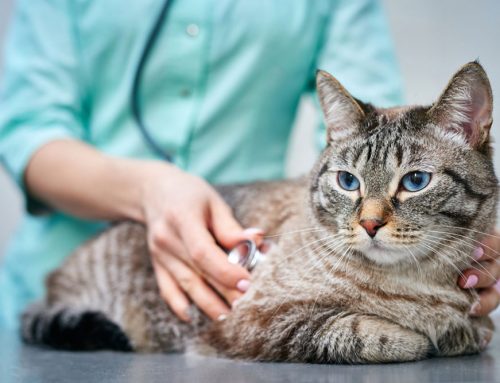
If your pet shows any concerning signs, we recommend scheduling an exam right away. At Valley Center Veterinary Clinic, our comprehensive diagnostic services allow us to detect heartworm infection through antigen testing, chest imaging, and bloodwork before severe organ damage occurs.
Year-Round Prevention: Your Pet’s Best Defense
Why Continuous Prevention Matters
Preventing heartworm is far simpler, safer, and more affordable than treating an active infection. Year-round medication ensures protection even during times of the year when mosquitoes seem less active. Skipping doses, delaying refills, or pausing during cooler months can leave pets vulnerable.
Mosquitoes in Southern California can remain active twelve months a year, especially in irrigated or coastal regions. Missing even one monthly dose can allow larvae to mature beyond the stage preventives can eliminate.
Through June 2026, Valley Center Veterinary Clinic is offering a free heartworm test (not 4DX) with the purchase of 6 or 12 months of NexGard Plus. NexGard Plus protects against heartworm, fleas, ticks, and intestinal parasites in a single monthly chew — making it one of the simplest ways to keep your pet covered year-round. Clients who purchase 12 months of NexGard Plus or NexGard Combo also receive a $65 instant rebate and one free dose. A 6-month purchase includes a $25 rebate as an e-gift card. Payment plans are available through Cherry for families who prefer to spread the cost out.
Routine year-round parasite prevention also protects against fleas, ticks, and intestinal parasites. For families with busy schedules, our bundled preventive packages provide structure, reminders, and simplified payment options. We recommend annual testing even for pets consistently on preventives to ensure protection and detect uncommon cases of resistance or dosing error.
Comprehensive Parasite Protection
Integrating Heartworm Prevention with Other Parasite Control
A single product can often protect pets from multiple parasites at once. NexGard Plus, which we currently recommend and carry at our clinic, safeguards against heartworm, fleas, ticks, roundworms, and hookworms in one monthly chew. Our veterinarians help owners choose the most practical, effective option based on whether a pet goes hiking, travels between states, or lives mostly indoors.
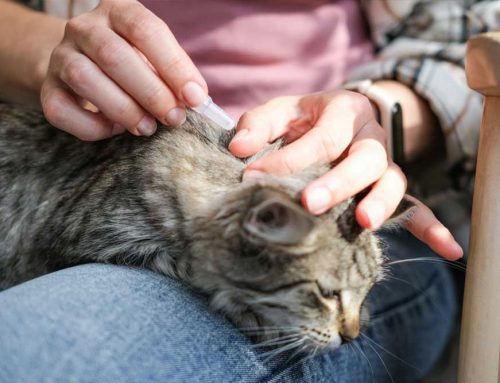
At Valley Center Veterinary Clinic, we review each pet’s current preventive routine at every visit to ensure dosing is accurate and protection is complete. We discuss oral, topical, and injectable options, clarifying the advantages of each so families can make confident decisions. Some medications protect against multiple parasites in a single dose, simplifying care for households with busy schedules or multiple pets.
If you are unsure which product best fits your pet’s needs, our team can create a customized schedule that aligns with your lifestyle and your pet’s health risks.

Protecting Your Pet from Heartworm Starts Here
Heartworm disease is a serious but preventable threat, especially in Southern California’s mosquito-friendly climate. The key to protection is consistency: routine testing, reliable preventives, and a veterinary team committed to keeping your pet healthy.
At Valley Center Veterinary Clinic, we combine advanced diagnostics with clear communication and ongoing support. We help owners understand the full scope of heartworm prevention so they feel confident in every step of care.
Through June 2026, we are offering a free heartworm test with the purchase of 6 or 12 months of NexGard Plus, along with rebates for both 6-month and 12-month commitments. If your pet is overdue for a heartworm test or it has been a while since you reviewed their preventive plan, this is a good time to get caught up. Request an appointment or contact our team today to get started.