

You notice your cat crouched low, sides heaving with effort- or your dog suddenly gasping for air. It’s one of the most frightening moments a pet owner can face. Difficulty breathing can develop suddenly or worsen quietly over time, but either way, it always signals the need for urgent care.
At Valley Center Veterinary Clinic, we help families navigate these emergencies with calm, expert support. Knowing what to watch for and how to respond on the way to the clinic can make all the difference for your pet’s recovery.
Understanding Breathing Issues in Pets
Recognizing Respiratory Distress
Normal breathing should be quiet, steady, and effortless. Dogs typically take 10–30 breaths per minute at rest, while cats breathe 20–30 times per minute. When something is wrong, you’ll see it- and hear it.
Watch for these warning signs:
- Rapid, heavy panting or breathing when your pet hasn’t been active
- Wheezing, snorting, or raspy sounds
- Persistent coughing or gagging
- Blue or pale gums and tongue, a sign of cyanosis (low oxygen)
- Refusal to lie down, neck extended forward, or elbows spread to ease breathing
Cats rarely pant unless they are extremely hot or stressed, so if you ever see your cat breathing with an open mouth, it may signal a serious issue such as heart disease, asthma, or another cause of distress.
Respiratory distress in pets is always an emergency- don’t wait to “see if it passes.” Early recognition and swift veterinary care save lives.
Common Causes of Breathing Problems
Breathing difficulties can stem from heart, lung, airway, or even neurological issues. The most common include:
- Heart disease: When the heart weakens, fluid can build up in the lungs, making every breath a struggle. Signs of heart disease in dogs include coughing (especially at night), fatigue, and abdominal swelling. Cats often show subtler signs until the disease is advanced.
- Respiratory infections: Kennel Cough and other infections cause coughing, nasal discharge, and lethargy. These are common in social settings like boarding or grooming but are preventable with vaccines and early care.
- Asthma and allergies: Feline asthma can cause wheezing and coughing fits, often triggered by dust, smoke, or pollen.
- Structural or neurological conditions: Flat-faced breeds such as Bulldogs, Pugs, and Persian cats can develop Brachycephalic Obstructive Airway Syndrome (BOAS), which restricts airflow. Larger breeds and older dogs may develop laryngeal paralysis, a condition that causes noisy breathing and worsens in warm weather or excitement.
- Allergic or anaphylactic reactions: Anaphylactic shock can develop quickly after exposure to new foods, insect bites, or medications, causing sudden swelling of the airways.
No matter the cause, if your pet is struggling to breathe, professional evaluation is urgent.
Immediate Steps to Take
Stay Calm and Assess the Situation
Your pet will mirror your emotions, so try to stay calm. Note how long the symptoms have been occurring and whether your pet can still stand, walk, or rest comfortably.
If you see blue or gray gums, collapse, or labored breathing even at rest, this is a life-threatening emergency. Call ahead to alert our team before you leave home.
Provide Comfort While Preparing for Transport
Move your pet to a cool, quiet area away from strong odors, smoke, or cleaning products. Loosen collars or harnesses that may restrict the neck or chest. Keep them calm and avoid unnecessary handling.
Do not force water, food, or medications- these can worsen breathing distress or cause choking. Focus on keeping your pet comfortable while you head to the clinic.
If your pet becomes panicked or too weak to move, wrap them in a light towel or blanket for support and transport them immediately.
When to Head to the Clinic
Seek emergency care if your pet:
- Gasps or wheezes for more than a few seconds
- Coughs persistently, especially if producing blood or foam
- Has blue, gray, or very pale gums
- Collapses, becomes disoriented, or loses consciousness
Call Valley Center Veterinary Clinic at 442-207-4720 before leaving so our team can prepare oxygen therapy and emergency medications before you arrive.
Diagnosis and Treatment at the Clinic
What to Expect
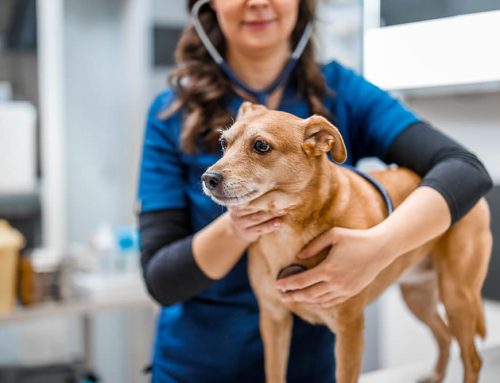
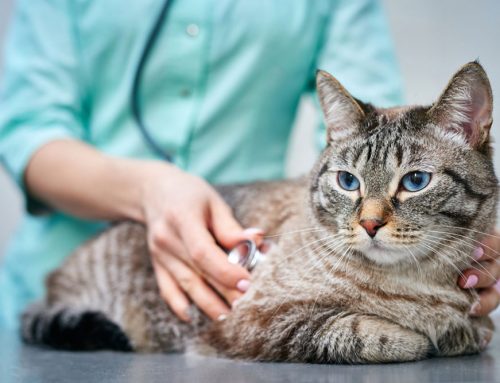
At the clinic, our team will begin with a focused physical exam, listening carefully to the heart and lungs while assessing gum color and oxygen levels. The diagnostic services at Valley Center include imaging and lab testing to identify the exact cause.
Chest X-rays can reveal fluid buildup, collapsed lungs, or airway obstruction. Blood work checks for infection or organ problems, and pulse oximetry measures oxygen saturation to guide immediate treatment.
Treatment and Support
Treatment depends on the cause and severity of the episode.
- Infections are treated with antibiotics or antivirals.
- Heart disease often requires medication to reduce fluid buildup and strengthen the heart.
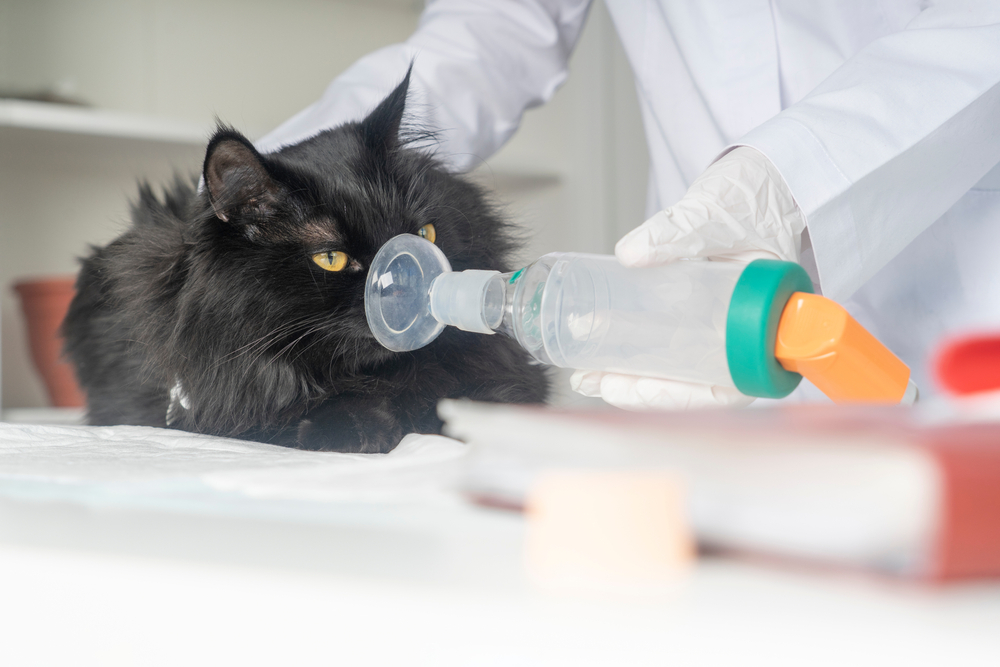
- Asthma or airway inflammation is managed with oxygen, bronchodilators, or anti-inflammatory inhalers.
- Structural airway issues like BOAS or laryngeal paralysis may need surgical correction.
Some patients benefit from hospitalization for oxygen therapy, IV fluids, or continuous monitoring.
Prevention and Ongoing Care
Regular Veterinary Checkups
Consistent exams are the best defense against sudden respiratory crises. Our wellness and preventive care programs include vaccinations against respiratory infections, heart screening, and weight management- all of which play key roles in breathing health.
Senior pets and flat-faced breeds should have more frequent visits so subtle changes can be caught early.
At-Home Monitoring
Get familiar with your pet’s normal breathing when they’re relaxed or asleep. Keep notes on resting rate, activity tolerance, and any coughing or wheezing episodes. Small changes often reveal early disease.
Make your home a safe space- avoid smoke, aerosol sprays, and dusty litter that can irritate the lungs. For cats, ensure proper ventilation and monitor closely after stressful events, since anxiety can trigger breathing changes.
When Every Breath Counts
When breathing becomes difficult, every second matters- but calm awareness and prompt action can save your pet’s life.
If your cat pants, your dog breathes noisily, or you notice any change in their ability to rest comfortably, contact Valley Center Veterinary Clinic right away at 442-207-4720. Our team is ready with oxygen therapy, diagnostics, and compassionate care to help your pet breathe easier again.
For non-emergency appointments or follow-up care, request a consultation or contact us online. We’re here to support you and your pet every step of the way- with expertise, understanding, and heart.