

If your dog or cat has reddish-brown streaks under their eyes or discolored fur on their paws and chin, you're definitely not alone. Those marks, known as tear stains and saliva stains, are one of the most common cosmetic concerns pet owners bring up, especially for those with white or light-colored pets.
Here's what's worth knowing: those stains might look like just a grooming issue, but they're often your pet's way of telling you something else is going on. The moisture that causes staining can come from blocked tear ducts, eyelid problems, allergies, pain, or even anxiety. Treating the stain itself without addressing the cause misses an opportunity to actually improve your pet's comfort.
At Valley Center Veterinary Clinic, we take a thorough approach to staining concerns because we know appearance and comfort go hand in hand. As an AAHA accredited and Cat-Friendly Certified practice, we combine high standards with personalized care to help uncover what's really driving the discoloration. If you're ready to get to the bottom of your pet's staining, contact us or request an appointment to start the conversation.
What Causes Fur Staining in Dogs and Cats?
The reddish-brown color you see typically comes from porphyrins, natural pigments found in tears and saliva that darken when exposed to air and light. When tears overflow or saliva accumulates on fur, these pigments oxidize and leave visible marks.
The problem compounds when moisture lingers. Damp fur creates a warm environment where yeast and bacteria thrive, which can deepen the discoloration and add an unpleasant odor. Understanding tear stains helps explain why some pets show more discoloration than others.
Certain pets are more prone to staining. Brachycephalic breeds like Bulldogs, Pugs, Persians, and Shih Tzus often have facial structures that make tear drainage difficult. Dogs with heavy jowls naturally drool more. And while light coats show stains more visibly, darker pets can have the same underlying problems without the obvious evidence.
The key point is that staining is a symptom, not a diagnosis. Figuring out why tears or saliva are building up matters more than scrubbing at the marks themselves.
During wellness and preventive care visits, our team evaluates eye health, skin condition, and facial structure to identify what's causing the moisture in the first place.
What Eye Problems Cause Excessive Tearing?
Structural Issues That Block Normal Drainage
Tears normally drain through tiny openings near the inner corner of the eyelids, traveling down into the nose. When this drainage system is blocked or facial anatomy disrupts flow, tears spill onto the face instead.
Flat-faced breeds often produce more tears and drain them poorly. Their prominent eyes are also more vulnerable to irritation from wind, dust, and debris. Exophthalmos, a condition where eyes bulge forward, increases exposure and tear production.
Other structural problems include entropion, where eyelids roll inward and rub against the eye surface, and eyelash disorders like distichiasis or ectopic cilia, where abnormal lashes grow in directions that irritate the cornea. Blocked tear ducts prevent normal drainage entirely, so tears have nowhere to go but down the face.
Some of these issues need surgical correction, while others improve with medical care or grooming changes. Our doctors evaluate eyelids, lashes, facial structure, and tear flow through our diagnostics services to determine what's driving the overflow.
Irritation, Pain, and Infection That Increase Tears
Eyes produce more tears when something is wrong. It's a protective response, but it leads to overflow and staining when the problem persists.
Common causes of increased tear production:
- Conjunctivitis causes inflamed, pink eyelid tissue with watery or mucky discharge
- Corneal ulcers are painful surface scratches that trigger heavy tearing
- Environmental irritants like dust, pollen, smoke, or household chemicals
- Dry eye and glaucoma can paradoxically cause reflex tearing
Warning signs to watch for:
- Squinting or holding one eye partially closed
- Pawing at the face
- Redness or cloudiness in the eye
- Thick or colored discharge
- Light sensitivity
A thorough eye examination helps determine whether infection, injury, or irritation is behind the tearing. If your pet shows sudden changes in eye comfort, you can request an appointment for assessment.
Can Allergies Cause Tear and Saliva Staining?
Environmental and Seasonal Triggers
Allergies are one of the most common causes of both tear and saliva staining. When pets react to pollen, mold, dust mites, or household products, inflammation affects the eyes and skin simultaneously.
Watery eyes and itchiness lead to a frustrating cycle: the pet licks, chews, and rubs their face, which adds more moisture and worsens staining. Pets with atopic dermatitis often flare seasonally, while indoor allergens can cause year-round discomfort.
You might notice patterns like paw staining that increases in spring when pollen counts rise, or facial staining that worsens after switching cleaning products. Good allergy management focuses on the underlying inflammation rather than just the appearance.
Our doctors consider seasonality, local allergens here in Valley Center, and your pet's specific patterns. During adult dog wellness or adult cat wellness visits, we can discuss skin support, itch control, and strategies to reduce staining at its source.
Food Sensitivities and Diet Factors
Some pets react to ingredients in their food, causing tearing, itchy skin, and excessive grooming that continues year-round regardless of season.
The gold standard for identifying food triggers is an elimination diet trial using a novel protein or hydrolyzed formula your pet has never eaten before. This requires strict consistency for 8 to 12 weeks, with no treats, flavored medications, or table scraps outside the trial food.
A successful diet trial shows improvement in itching, ear health, digestive comfort, and staining. If symptoms improve, ingredients can be carefully reintroduced to pinpoint exactly what's causing reactions.
If you'd like help planning a trial and setting realistic expectations, contact us and our team will walk you through the process.
What Other Health Issues Contribute to Staining?
Excess licking drives saliva staining, and many different problems can trigger that behavior.
Health issues that increase licking and grooming:
- Dental disease causes drooling, face rubbing, and chin staining
- Skin infections from yeast or bacteria create itchiness and dampness
- Arthritis leads to licking of painful joints
- Anxiety and compulsive behaviors cause overgrooming
- Nail problems or interdigital cysts (lumps between toes) trigger focused paw licking
- Parasites like fleas, ear mites, and skin mites provoke intense scratching
Year-round parasite prevention helps prevent flea bites that trigger itching and secondary skin infections in sensitive pets.
We integrate dental evaluations with skin and ear exams so nothing gets missed. If your pet needs oral care or advanced workup, our surgery and diagnostics teams coordinate to address pain and reduce grooming-related stains. In the month of February, all our dental procedures are 20% off- a huge savings, making it a great time to tackle your pet’s dental health.
How Do Veterinarians Diagnose the Cause of Staining?
A thorough assessment combines your observations with physical examination and targeted testing. The goal is to separate cosmetic staining from medical issues that deserve treatment.
What we review:
- When staining started and whether it's changing
- Diet, environment, grooming routine, and household products
- Other symptoms like itching, ear problems, or digestive issues
What we examine:
- Eyelids, lashes, tear production, and eye surface
- Fluorescein dye test to reveal corneal damage and assess drainage
- Facial structure and tear duct function
- Skin, ears, and dental health
- Signs of pain that might drive licking behavior
Skin cytology helps identify yeast or bacterial overgrowth when stained areas look infected. Our in-house diagnostics often provide same-day answers.
As an AAHA accredited hospital, we follow rigorous standards so you can trust both the process and the results.
What Can You Do at Home to Manage Staining?
Managing tear and saliva staining isn't a quick fix. It takes daily habits and attention to detail, but consistent care makes a real difference.
Daily Cleaning Routines That Help
Gentle, regular cleaning prevents stains from setting and protects the skin underneath. Understanding tear staining prevention helps you develop effective habits.
Effective cleaning technique:
- Use veterinarian-approved wipes or saline-moistened cotton to clean around eyes and mouth daily
- Follow proper eye cleaning methods, wiping from the inner corner outward
- Use a fresh pad for each eye to avoid spreading bacteria
- Dry your pet's face after meals and water
- Learn proper techniques for grooming around eyes to keep fur trimmed so moisture doesn't linger
For paw stains, wipe feet after outdoor time and trim fur between pads. Regular grooming for long-haired pets helps prevent moisture from accumulating in facial fur. For products we trust, check out our online pharmacy. These Optixcare eye wipes and Tear Stain Finger Wipes are great options.
Products to Avoid
Not all tear stain products are safe, and some can actually harm your pet.
The FDA has issued warnings about unapproved tear stain products containing antibiotics like tylosin, which is not approved for use in dogs or cats. These products are often marketed as supplements or cosmetics to avoid regulation, but using them contributes to antibiotic resistance and can cause harmful side effects.
Products and practices to avoid:
- Tear stain removers containing tylosin or other antibiotics
- Hydrogen peroxide near the eyes (can cause chemical burns)
- Human whitening products or bleach-based solutions
- Apple cider vinegar applied directly to skin or eyes
- Products with unlisted or vague ingredients
Be cautious with anything promising dramatic results without explaining how it works. Stick to veterinarian-recommended cleaning solutions.
Probiotics and Gut Health
Emerging research suggests gut health influences more than digestion. The probiotics that support beneficial bacteria may help reduce inflammation throughout the body, including in the skin and eyes.
Some pet owners report improvement in tear staining after adding a quality probiotic to their pet's routine. While probiotics aren't a guaranteed fix, they support overall health and may particularly help pets with allergies or digestive issues contributing to excessive tearing.
Look for veterinary-formulated probiotics with documented bacterial strains and colony counts. We can recommend specific products based on your pet's needs- check out our favorite probiotics in our online pharmacy.
Preventing Secondary Infections
Moist areas can develop yeast and bacterial overgrowth, worsening staining and adding odor.
Prevention strategies:
- Keep the face dry throughout the day
- Try elevated bowls or pet water bottles if beards stay constantly wet
- Use stainless steel or ceramic bowls instead of plastic, which harbors bacteria
- Wash bowls daily
- Offer fresh filtered water if minerals in tap water seem to worsen staining
- Consider a dehumidifier if indoor humidity runs high
If you notice foul odor, redness, swelling, or tenderness in stained areas, schedule a visit. These are signs of infection that need treatment.
What Medical Treatments Address the Root Cause?
When home care isn't enough, targeted medical treatment can make a significant difference.
Treatment options based on underlying cause:
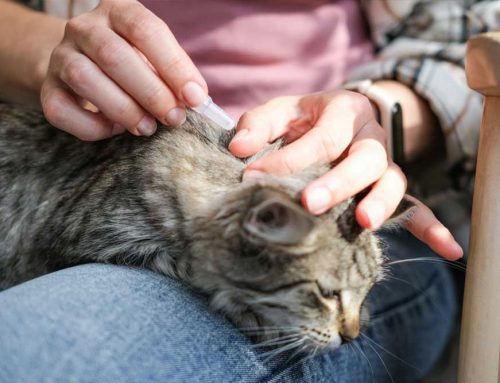
- Eye infections often need medicated drops or ointments, with guidance on applying eye medication properly
- Surgical correction for anatomical issues like opening blocked ducts, removing abnormal lashes, or adjusting eyelid position
- Allergy treatment combining anti-itch medications, anti-inflammatories, immunotherapy, and dietary changes
- Pain management to reduce discomfort driving excessive grooming
- Dental cleaning when drooling stems from oral pain or infection
Cosmetic products can lighten existing stains, but they work best alongside medical treatment that addresses why the moisture is there in the first place.
When Should You See a Veterinarian About Staining?
Sudden changes or worsening staining deserve prompt attention. A gradual accumulation is different from an abrupt shift that may signal a new problem.
Signs that warrant a visit:
- Squinting, eye pain, or light sensitivity
- Thick yellow, green, or white eye discharge
- Redness, swelling, or cloudiness in the eye
- Vision changes or bumping into things
- Excessive scratching, face pawing, or head shaking
- Foul odor from stained areas
- Sores, bleeding, or hot spots where your pet licks
- Low energy, appetite loss, or irritability
- One-sided staining suggesting a localized problem
Even if staining seems purely cosmetic, a checkup can reveal fixable issues that improve your pet's comfort. Our gentle, low-stress approach makes visits easier for anxious pets.
Frequently Asked Questions
Why are tear stains reddish-brown?
The color comes from porphyrins, natural pigments in tears and saliva that darken when exposed to air and light. Yeast overgrowth in damp fur can deepen the discoloration further.
Do certain breeds stain more than others?
Yes. Flat-faced breeds like Bulldogs, Pugs, and Persians are more prone due to facial structure that affects tear drainage. Pets with light coats show stains more visibly, but any pet can be affected.
Can filtered water or stainless bowls help?
Sometimes. They reduce bacteria and minerals that may contribute to staining for some pets. It's worth trying, though it won't solve staining caused by allergies, infections, or structural issues.
Are over-the-counter stain removers safe?
Many are not. Some contain unapproved antibiotics that can harm your pet and contribute to antibiotic resistance. Stick to veterinarian-recommended products and avoid anything with vague or unlisted ingredients.
When should I see a vet about staining?
If staining appears suddenly, worsens quickly, or comes with redness, pain, discharge, odor, sores, or behavior changes, schedule a visit. Even gradual staining benefits from evaluation to identify treatable causes.
Your Partner in Clearer Skin and Brighter Eyes
Tear and saliva stains are frustrating, but they don't have to be permanent. When we identify what's driving the moisture, staining fades and your pet's comfort improves, often more quickly than you'd expect.
Our approach pairs thorough investigation with practical treatment plans that target causes rather than just appearances. Whether the issue is anatomy, infection, allergies, pain, or behavior, we'll help you understand what's happening and what to do about it.
If you're ready to get answers and a plan that actually works, request an appointment and let's start clearing the path to a cleaner, more comfortable pet. Contact us today and let Valley Center Veterinary Clinic help you solve this frustrating little mystery for good.