

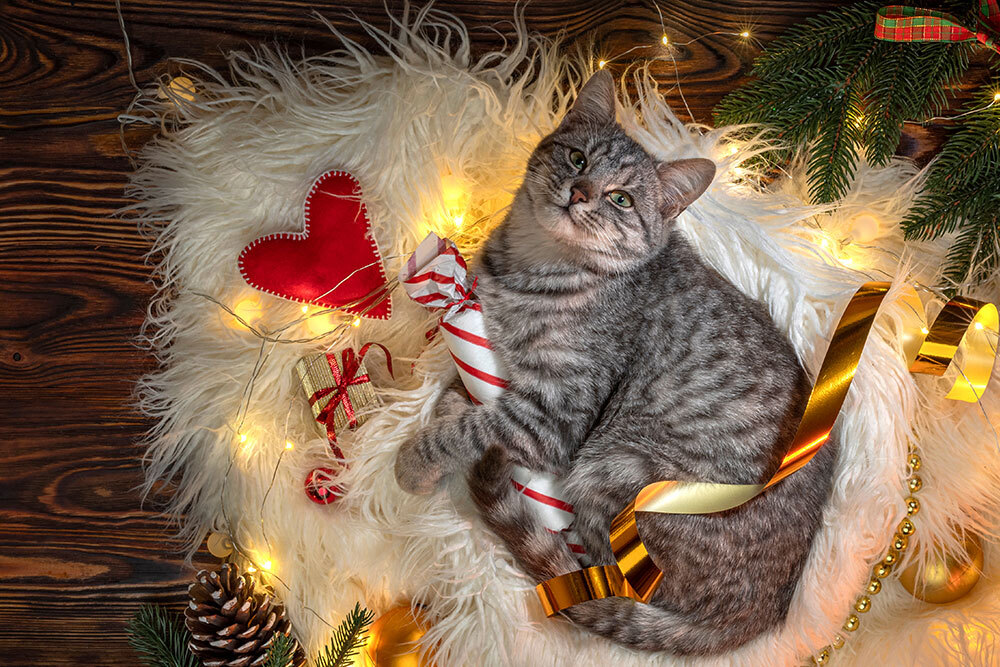
You’ve finally decorated the tree, the house smells like pine and baked goods, and your dog is already eyeing the ornaments- or your cat is batting at the twinkling lights. The holidays bring joy and warmth, but they also introduce new hazards for our four-legged family members. From tempting treats to glittering décor, festive fun can quickly turn dangerous without a little preparation.
At Valley Center Veterinary Clinic, we want to help you celebrate safely. Our wellness and preventive care services are designed to support every aspect of your pet’s health year-round, including during busy holiday seasons. Here are some veterinarian-approved ways to keep your pets safe, calm, and healthy this winter.
Common Holiday Hazards for Pets
Festive Decorations and Plants
Decorations can be a delight for humans but a danger for curious pets. Sparkling tinsel, fragile ornaments, and dangling cords are irresistible to cats and dogs. Unfortunately, swallowing tinsel or ornament pieces can cause blockages that may require surgery. Electrical cords and lights can lead to burns or shocks if chewed, while candles can be easily knocked over, risking burns or fires.
Many holiday plants are also toxic. Poinsettias can cause mild mouth irritation, but mistletoe and holly can lead to severe vomiting and heart issues. Lilies are particularly dangerous to cats- even a small nibble can cause kidney failure. Keeping these plants out of reach- or better yet, opting for artificial alternatives- helps prevent accidents.
Even pine needles from real Christmas trees can irritate your pet’s digestive system if ingested, while the water at the base of live trees may contain fertilizer, bacteria, or preservatives. Covering the tree stand and securing the tree can help prevent spills, climbing, or toppling.
Following these holiday safety tips for pets ensures your décor remains festive and safe. And if your pet ingests something questionable, our emergency team is ready to help, offering rapid care and guidance when every minute matters.
Holiday Food Dangers
Festive Foods to Avoid
From buttery sides to chocolate desserts, holiday meals can tempt even the most well-behaved pets. Unfortunately, many traditional foods are dangerous for dogs and cats. Chocolate, grapes, raisins, onions, garlic, and alcohol can cause toxic reactions. Xylitol- a sweetener found in sugar-free baked goods and candies- can cause sudden, life-threatening drops in blood sugar for dogs.
Rich or fatty foods may trigger pancreatitis, leading to vomiting, pain, and dehydration. Even bones from poultry or roasts can splinter, puncturing the digestive tract. Instead of sharing table scraps, set aside pet-safe treats or fill puzzle feeders with kibble to keep them busy during meals.
If you want your pet to feel included, consider making homemade, vet-approved treats. Small bites of cooked carrots, green beans, or plain pumpkin can be safe and satisfying alternatives.
The holiday pet safety guidelines stress that prevention starts in the kitchen. Keep trash cans secured, leftovers stored safely, and countertops clear of temptations. If your pet sneaks something harmful, our veterinarians can provide urgent support, including diagnostics and treatment for toxin exposure.
Party Precautions for Pet Safety
Keeping Pets Calm During Gatherings
Holiday gatherings bring both excitement and stress. Some pets thrive on attention, while others prefer a quiet retreat. Loud noises, guests entering and leaving, and new scents can overwhelm sensitive animals.
Create a calm space away from the party with their bed, water, and toys. Playing soft music or using pheromone diffusers can help reduce anxiety. Make sure guests know not to feed your pet or leave doors open, and remind children to approach gently. Fireworks or loud celebrations on New Year’s Eve can also be frightening for pets. Prepare early with cozy bedding, white noise, and safe indoor spaces to minimize stress.
If your pet tends to hide, shake, or vocalize during gatherings, consider calming aids or anxiety management strategies. These pet holiday party tips can make celebrations more enjoyable for everyone. For ongoing anxiety, our veterinarians can help develop personalized plans to build confidence and comfort during social events. In case your pet does dart out an open door, make sure your microchip information is up to date.
Choosing Safe Gifts for Your Pet
Not All Pet Toys and Treats Are Created Equal
The holidays are a perfect time to spoil your pet with new toys and treats, but what looks fun in the store can sometimes pose serious risks at home. Many popular gift items for pets- like rawhide bones, rope toys, hard antlers, and plush squeaky toys- can lead to choking, intestinal blockages, or dental fractures.
Popular dog chews like cooked bones, hooves, and hard nylon toys can splinter or break teeth, while stuffed toys with small parts can become choking hazards or cause obstructions if swallowed. Some dogs will methodically destroy and ingest plush toys, filling their stomachs with fabric and stuffing that requires surgical removal. Even rope toys, while seemingly harmless, can unravel into long strings that wrap around the intestines, creating life-threatening linear foreign bodies.
When selecting chews and treats, look for products that have earned the VOHC seal of approval (Veterinary Oral Health Council). These products meet strict standards for safety and effectiveness in reducing plaque and tartar. VOHC-approved options include certain dental chews, treats, and toys designed to promote oral health without the risks associated with harder alternatives.
Smart Gift-Giving Guidelines
Choose toys appropriate for your pet’s size, chewing style, and supervision level. For aggressive chewers, opt for durable rubber toys that can withstand intense play without breaking apart. For cats, avoid toys with ribbons, strings, or small bells that can be swallowed. Interactive puzzle toys and treat-dispensing feeders make excellent gifts that provide mental stimulation without physical risk.
Always supervise your pet with new toys, especially during the first few uses, to ensure they’re playing safely. Inspect toys regularly for damage and discard any that show signs of wear, such as loose parts or tears. If you’re unsure whether a toy or chew is safe for your pet, our team is happy to provide recommendations during your next wellness visit.
The best gifts are those that keep your pet entertained, healthy, and safe- so choose thoughtfully and enjoy watching them play without worry.
Safe Holiday Travel with Pets
Planning and Preparation
Whether visiting family or heading on a road trip, preparation is key for safe travel. Before leaving, confirm that your pet’s identification tags and microchip information are current. Pack familiar bedding, medications, and food to keep them comfortable. Secure pets in crash-tested harnesses or carriers, and plan rest stops every few hours for water and stretching.
If you’re traveling by air, check airline regulations for pet carriers and health certificates well in advance. For long car rides, avoid feeding right before departure to minimize motion sickness, and never leave pets unattended in vehicles- temperatures can rise or drop rapidly, even in mild weather.
Always bring vaccination records and check lodging pet policies before arrival. If your pet experiences motion sickness or anxiety while traveling, speak with our veterinarians ahead of time. Our wellness and preventive care visits can include travel health certificates, vaccine updates, and medication planning for a smooth trip.
Following stress-free holiday travel strategies makes journeys safer for everyone- so your pet arrives as relaxed as you are.
Emergency Readiness During the Holidays
Being Prepared for the Unexpected
Despite our best efforts, emergencies can still happen. Having a plan makes all the difference. Keep a pet first-aid kit stocked with gauze, antiseptic wipes, tweezers, and your veterinarian’s contact information. Store the number for the Animal Poison Control Center and your nearest 24-hour emergency clinic where it’s easy to find.
Knowing the signs of an emergency- like pale gums, collapse, persistent vomiting, or inability to urinate- can save valuable time. During holidays, our emergency services are available for urgent needs, with guidance for after-hours situations to ensure continuous care.
If your pet takes prescription medication, be sure to refill it before the holidays begin. Travel delays, weather, or closed pharmacies can make obtaining medication difficult when you need it most. Preparing early helps avoid stressful situations.
Winter Health Considerations
Cold Weather and Comfort
While Southern California winters are mild, chilly evenings can still affect senior pets, short-haired breeds, or animals with chronic conditions. Provide warm bedding away from drafts and consider a soft sweater for walks on cold mornings. Ensure your pet always has access to fresh, unfrozen water and a dry, warm place to rest.
Outdoor decorations such as salt, antifreeze, or ice-melt products can also be hazardous. Even a small amount of antifreeze can be fatal to pets. Wipe paws after walks to remove any chemicals or debris that could cause irritation or illness.
Regular wellness visits for seniors can help monitor joint health and energy levels during cooler months, allowing your veterinarian to adjust supplements or medications if needed.

Ensuring a Joyful and Safe Holiday Season
The holidays should be a time of joy, laughter, and togetherness- not worry. By taking small precautions, you can protect your pet from common seasonal hazards while enjoying the festivities stress-free. Supervise decorations, secure foods, provide quiet time during parties, and plan travel carefully to ensure your furry family members stay safe and comfortable.
At Valley Center Veterinary Clinic, our compassionate team is dedicated to keeping your pets healthy through every season. Whether you need routine care, emergency support, or advice on preventing holiday hazards, we’re here to help.
Give your pet the gift of wellness this year- request an appointment or contact us to schedule a visit before the festivities begin. Together, we’ll ensure this holiday season is filled with health, happiness, and peace of mind for every member of your family.



Leave A Comment