
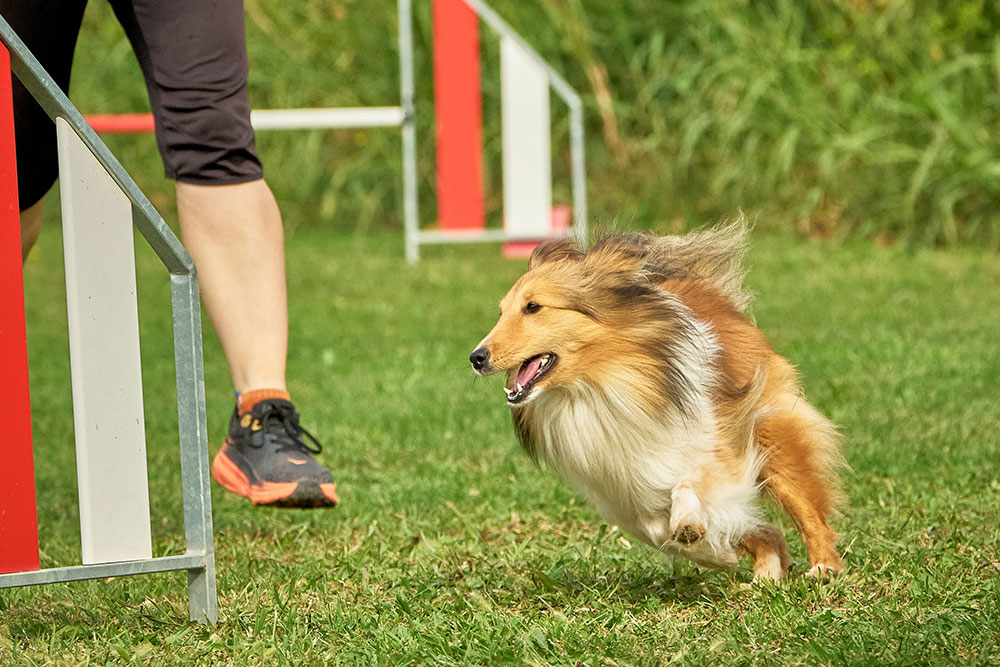
Core strength is not about getting your pet a six pack, though that would certainly make for an interesting trip to the park. It is about building the kind of stability and control that keeps them moving comfortably through everyday life.
While muscle strength becomes especially important for pets recovering from surgery, it is just as valuable for healthy dogs and cats. Regular conditioning, proper weight management, and structured exercise help prevent injury, slow the progression of joint disease, and support long-term mobility. When done correctly and consistently, these exercises build functional strength that supports everything from jumping and climbing to simply getting up after a nap. The goal is not aesthetics. It is keeping your pet strong, comfortable, and active for as many years as possible.
At Valley Center Veterinary Clinic in Valley Center, CA, we approach every wellness topic the same way: collaboratively, with you as a genuine partner in your pet’s health. Whether you are building a home conditioning program from scratch or supporting recovery after an orthopedic procedure, our wellness services include individualized guidance on exercise, conditioning, and long-term mobility support. Contact us to talk through a plan suited to your specific pet’s age, breed, and goals.
Why Conditioning Matters Before Problems Start
Most mobility problems do not appear overnight. Canine cruciate ligament injury, one of the most common orthopedic emergencies in dogs, is often the result of gradual ligament weakening over time rather than a single traumatic event. Canine hip dysplasia develops as a structural mismatch between the hip joint components, but how severely it affects quality of life depends significantly on muscle mass, body weight, and overall fitness. Intervertebral disc disease, particularly common in long-backed breeds like Dachshunds and Corgis, is influenced by the strength of the muscles supporting the spine. Even arthritis management and prevention is significantly shaped by what a pet’s conditioning looked like before joint changes began.
In other words, the exercise your pet does on an ordinary Tuesday is doing more for their future mobility than most people realize. A pet with strong supporting musculature around the knee, hip, and spine is better protected against the kinds of injuries and degenerative changes that sideline pets and require expensive, difficult treatment. Building that foundation is far easier than trying to rebuild it after the fact.
Which Pets Benefit from a Structured Exercise Program?
The answer is broader than most people expect. A structured conditioning program is not reserved for post-surgical patients or performance dogs. The pets who benefit most include:
- Healthy young dogs building the muscular foundation that reduces lifelong injury risk
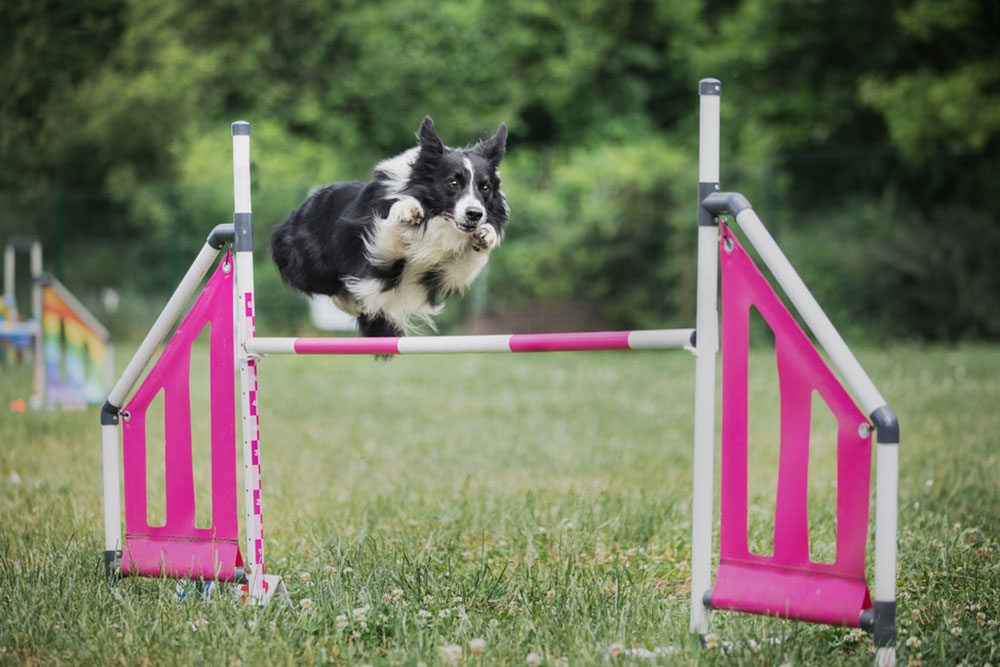
- Active dogs who need structured strength training to safely handle the demands of hiking, agility, or other high-impact activities
- Overweight pets working to improve joint health and endurance through low-impact conditioning
- Senior pets with early arthritis who are losing strength, balance, or willingness to move
- Dogs and cats recovering from orthopedic surgeryor injury, rebuilding strength under veterinary guidance
- Pets with neurologic conditions rebuilding coordination after spinal or nerve injury
Our diagnostics services support the kind of thorough assessment that makes a conditioning plan genuinely useful, including gait evaluation, x-rays to evaluate skeletal disease, muscle mass comparison, joint range of motion testing, and pain assessment.
The Weight Factor: Why It’s Inseparable from Mobility
Body weight is one of the most powerful variables in joint health, and it is also one of the most actionable. Every extra pound a pet carries adds disproportionate load to joints that are already absorbing the forces of walking, running, and playing. Excess weight contributes to arthritis, diabetes, and reduced willingness to move, which in turn leads to more weight gain. The pet obesity prevention research is clear: overweight pets experience earlier onset of joint disease, more pain with less activity, and shorter lifespans on average.
The good news is that weight management and exercise reinforce each other. A dog who reaches a healthy weight moves more comfortably, which makes exercise more enjoyable, which builds more muscle, which supports better joint health. Getting there requires a realistic plan. Helping your dog lose weight involves a combination of appropriate caloric reduction and structured, low-impact activity that burns energy without overloading already-stressed joints. Feline fitness and weight management relies more heavily on environmental enrichment and play-based activity since most cats will not cooperate with formal exercise routines.
We assess body condition score at every wellness visit and can help you set a realistic target weight with a practical plan to reach it. If your pet is already carrying extra weight, addressing that alongside conditioning is the most effective starting point.
Why Pain Management Matters
Many seniors experience arthritis pain; that pain makes them not want to move as much, causing weight gain, which makes the pain worse. Tackling joint pain is a key part of an exercise program. We can discuss the right pain management medications at any senior wellness exam, and gentle ways to start increasing movement. Hip and joint supplements play a supportive role in managing inflammation and maintaining cartilage health alongside exercise.
Cold laser therapy at Valley Center Veterinary Clinic is a great non-pharmaceutical way to tackle pain. It uses specific wavelengths of light to reduce inflammation and support tissue healing at a cellular level. Laser therapy is non-invasive, well-tolerated by most pets, and can meaningfully reduce the discomfort that limits how much a pet is willing to do at home.
Building a Home Exercise Program for Dogs
Starting with the Basics
A good home conditioning program begins with controlled movement and progresses gradually as strength and confidence build. For most healthy dogs, the goal is functional strength that supports everyday activity and protects against injury, not peak athletic performance. The key principle is consistency over intensity: short daily sessions produce far better results than occasional long ones.
Exercises that form the foundation of most canine conditioning programs:
- Controlled leash walks at a steady pace on level ground, gradually increasing duration as tolerance improves. Sniff breaks are fine, but encourage forward movement and discourage pulling or sudden lunging. Work up to a jog or run; don’t try to run your dog next to your bike if they’re used to being a couch potato.
- Sit-to-stand repetitions to build quadriceps and hip extensor strength. Your dog sits squarely and stands fully, without rushing or shifting weight to one side. Start with five repetitions and increase gradually.
- Weight shifting while standing, encouraging your dog to accept weight through all four limbs by gently shifting balance side to side or placing front paws on a slightly elevated surface.
- Cavaletti poles or ground poles laid flat to encourage deliberate, lifted foot placement and improve proprioception (your dog’s body awareness of where its limbs are in space).
- Hill workon gentle inclines once a baseline fitness level is established. Walking uphill strengthens the hindquarters significantly; walking downhill builds eccentric strength that supports joint stability on the way down.
- Water therapy is an ideal way to provide low-impact exercise. Simply taking your pet swimming in a local lake for short paddles is a great way to get started.
Non-slip surfaces throughout the home are important at every stage. Accidental slips on hardwood or tile are a common cause of soft tissue injury and can undo conditioning progress quickly.
Progressing Safely
Once your dog is comfortable with foundational exercises, balance and stability challenges add meaningful benefit. Canine fitness tools include air-filled discs, peanut rollers, and wobble boards designed specifically for dogs that challenge stability at a controlled level. These are particularly useful for building core strength in active dogs and for senior dogs working to maintain balance.
Introduce any new challenge gradually. If your dog compensates heavily to one side, rushes through an exercise, or seems reluctant to continue, scale back rather than pushing through. The exercises that feel easy after a few weeks are working, even if they do not feel impressive. Warm-ups and cool-downs are an important part of preventing injury and soreness.
For High-Activity Dogs
Dogs who hike, compete in agility, work as service or sport dogs, or otherwise have high physical demands benefit from a more structured pre-season conditioning approach, similar to how human athletes prepare for a sport. Building strength and cardiovascular endurance before the activity season begins reduces injury risk significantly. If your dog has had a previous ligament, joint, or disc injury, discuss a return-to-activity plan with our team before ramping activity back up.
Exercise and Enrichment for Cats
Cats rarely cooperate with formal exercise sessions, which means feline conditioning requires working with their instincts rather than against them. The goal is encouraging natural movement in ways your cat finds genuinely rewarding.
- Wand toys and feather teasersthat encourage reaching, stretching, leaping, and weight shifting during play sessions. Even five to ten minutes of active play twice daily makes a real difference in a cat’s muscle tone and joint flexibility over time. Targeting hunting instincts makes it interesting to them.
- Food placementat slightly elevated or varied positions to encourage gentle climbing, extension, and purposeful movement toward meals.
- Puzzle feeders and DIY enrichment toys that require physical interaction to access food, adding low-level activity to the daily routine without requiring the cat to perform on command.
- Accessible stepping pointsin the environment for cats who previously jumped freely but now need lower routes due to age or joint changes.
- Harness walkingoutdoors, if your cat is interested, gets more movement in a natural manner.
- Cat Wheels and wall-mounted shelving are great for cats that do have extra energy to burn and already have some strength built up.
A warm, padded resting area away from cold floors and slippery surfaces makes rest genuinely restorative and reduces the chance that getting up becomes painful enough to discourage movement. Our wellness and preventive care visits include guidance on environmental modifications that support long-term feline mobility.
When Professional Rehab Therapies and Pain Management Become Part of the Picture
For pets managing pain, recovering from injury, or working through significant deconditioning, professional rehabilitation therapies support and extend what home exercise can accomplish.
The available rehab therapies for pets span a wide range, and what is appropriate for a twelve-year-old Labrador with hip arthritis looks very different from what suits a three-year-old Border Collie recovering from a tibial fracture or a ten-year-old cat with back pain. We can help identify what makes the most sense for your pet.
Hydrotherapy uses water buoyancy to support body weight during exercise and allows full range of motion with significantly less joint load than land-based activity. Rehab facilities with underwater treadmills are ideal for injuries needing more structured rehab. We’re happy to provide you with references to rehabilitation facilities for the therapies we think would benefit your pet.
Tools That Make Home Conditioning Safer and More Effective
For dogs needing mobility support during recovery or long-term management, lifting harnesses for hind legs and lifting harnesses for front legs are available through our pharmacy to assist during walks and exercises without placing full load through a compromised limb.
Mobility aids like wheelchairs, carts, and nail-grip traction aids provide freedom for pets with long-term mobility limitations, whether from neurologic disease, limb amputation, or degenerative conditions. For pets who will not regain full independent mobility, these tools allow continued movement and engagement that is vital for both physical and mental wellbeing. Harnesses, ramps, and non-slip booties round out the home toolkit, and we can help identify which options are most appropriate for your pet’s specific condition.
Tracking Progress Over Time
Conditioning and fitness progress is rarely linear, and some weeks will feel like holding steady rather than moving forward. That is normal. Keeping a simple log noting what exercises were completed, how long they lasted, and how your pet seemed during and after helps identify meaningful trends over time.
Signs the program is working: willingness to exercise increases, your pet rises from rest more easily, a previously stiff dog keeps up on walks more comfortably, or a cat who had stopped jumping attempts a lower surface again. Signs to bring to us promptly: new or worsening lameness, reluctance to complete exercises that were previously tolerated, swelling, or behavioral changes suggesting increased pain.
Progress check-ins are part of the process. The plan that was appropriate at the start may need adjustment several weeks in as strength and fitness evolve, and that is exactly how a good conditioning program is supposed to work.
Frequently Asked Questions About Pet Conditioning and Rehabilitation
When is the right time to start a conditioning program?
The right time is before a problem develops. Healthy dogs and cats of any age benefit from structured conditioning, and starting in middle age, before strength and muscle mass begin declining with age, provides the most protection. For predisposed breeds like Labradors, German Shepherds, Dachshunds, and large-breed dogs with known joint risks, starting early is especially worthwhile.
Can these exercises help even if my pet has not had surgery?
Yes, and preventive conditioning is actually where these exercises have the most impact. Building muscular support around vulnerable joints before a problem develops is far more effective than trying to rebuild that support afterward.
What if my pet refuses to do the exercises?
Refusing an exercise can indicate pain, so a thorough exam is the best first step. We can also help adjust exercises to be more appealing, suggest food motivation strategies, or modify the approach to reduce anxiety. Forcing a pet through exercises they find distressing is counterproductive and can create negative associations with handling that make future care harder.
How long does a rehabilitation program typically last?
It depends on the condition and the individual pet. Post-surgical programs often run eight to sixteen weeks with gradual progression. Chronic conditions like arthritis are managed on an ongoing basis, with programs that evolve over time rather than having a defined endpoint. Preventive conditioning programs are ideally maintained as a permanent part of your pet’s routine.
The Payoff Is Real, and the Work Is Worth It
Pets with strong muscles, healthy body weight, and consistent conditioning experience better mobility, less pain, lower rates of injury, and greater independence as they age. The investment of ten to fifteen minutes of daily exercise is modest relative to what it returns over a pet’s lifetime.
Valley Center Veterinary Clinic is ready to help build the plan.Request an appointment to get an orthopedic assessment, rehabilitation plan, and a home program that fits your specific pet, their current condition, and what they need to thrive long-term.