

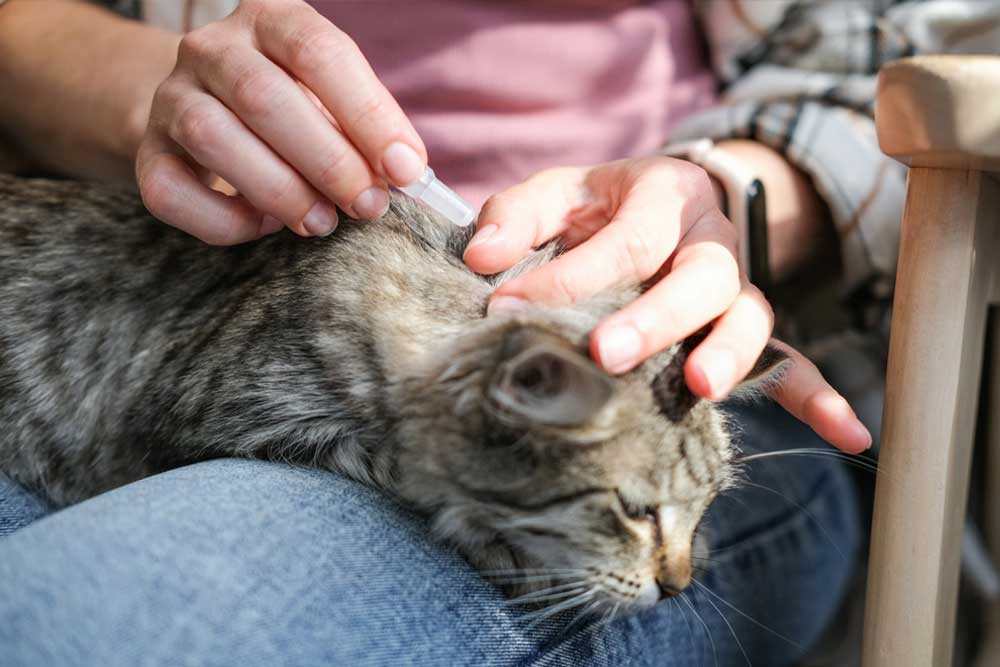
It is easy to assume a strictly indoor cat is sealed off from parasites, but fleas, roundworms, tapeworms, and even heartworm all reach cats who never set a paw on grass. Fleas ride in on shoes, pant legs, and visiting dogs, while mosquitoes carrying heartworm slip through window screens on warm evenings. Roundworm eggs travel in potting soil and on the occasional house mouse, and swallowing a single infected flea during grooming is enough to give your cat tapeworms. Because cats groom away the early evidence, a parasite problem is usually well established before anyone spots it, which is why year-round prevention matters even if your cat never asks to go out.
Across the San Diego County foothills, Valley Center Veterinary Clinic sees fleas and intestinal parasites in cats whose paws never touch dirt. Our in-house lab runs the fecal testing that identifies what an indoor cat has picked up, and our wellness plans with built-in parasite control come with upfront pricing, so you know what protection costs before you commit. If your cat has been going without prevention because they live indoors, reach out and we will help you build a plan that fits their lifestyle.
Indoor-Cat Parasite Prevention: The Basics
- Indoor isn’t the same as parasite-free: fleas, ticks, mites, intestinal worms, and heartworm all reach cats who never go outside, riding in on shoes, visiting pets, mosquitoes, and the occasional mouse.
- The risk runs both ways, since several feline parasites can pass to people, so prevention protects children and immune-compromised family members alongside your cat.
- Consistency beats the calendar, because climate-controlled homes keep fleas active every month, and routine fecal testing catches problems before symptoms ever show.
- A good plan fits the individual cat, so the right topical, oral, or injectable product depends on your cat’s lifestyle and household, and we help match it during a wellness visit.
Are Indoor Cats Really Safe From Fleas and Worms?
Indoor cats are far safer than outdoor cats, but safer isn’t the same as immune. Fleas, worms, and heartworm all find ways through a closed door, and the belief that four walls equal full protection is what leaves so many indoor cats defenseless when an infestation quietly takes hold.
A few stubborn myths keep cats from getting the protection they need:
- “My cat never goes outside, so she can’t get fleas.” Fleas don’t need your cat to leave the house; they arrive on your pant legs or a visiting dog, then breed in the carpet.
- “One flea is no big deal.” A single bite can set off weeks of allergic itching, and swallowing just one flea during a grooming session passes on tapeworms.
- “Parasites are only a summer worry.” Indoor heating keeps fleas thriving in January, and our mild climate keeps bugs happy all year, so the calendar offers no natural break.
Building preventive care into your cat’s routine closes the gaps these assumptions leave wide open.
How Do Parasites Get Into a Home With Indoor Cats?
Parasites travel in on nearly everything that crosses your threshold: shoes and clothing after a walk, a visiting dog fresh from the park, a bag set down by the door, potting soil for a houseplant, a mouse that found its way inside, or a mosquito that slipped past a screen. Your cat doesn’t have to step outside for the parasite to come to them.
| Parasite | How it reaches an indoor cat | Why it matters |
| Fleas | Shoes, clothing, a visiting dog | Itching, allergy, tapeworms, anemia |
| Ticks | Jackets, bags, other animals | Skin irritation and tick-borne illness |
| Mites | Contact with visiting pets | Ear and skin infection, intense itch |
| Roundworms | Potting soil, a house mouse | Digestive upset; can infect people |
| Tapeworms | Swallowing an infected flea | Weight loss, visible segments |
| Heartworm | An indoor mosquito bite | Lung damage, with no feline cure |

Parasites That Ride In on People, Bags, and Visiting Pets
A single trip across the backyard is often all it takes. A quick tick check after anyone in the household has spent time outdoors is one of the most reliable habits for preventing ticks on pets, because a single hitchhiker can drop off a jacket and go looking for your cat. Mites are easy to miss because they’re microscopic, yet they travel in on visiting animals and settle into your cat’s ears and skin, where they trigger relentless itching and infection. Fleas are the most persistent of the bunch. Flea life cycles speed up in the warm, steady temperatures of a heated home, so a handful of hitchhikers can become an established infestation in the carpet and bedding within a few weeks.
Can a Mosquito Give an Indoor Cat Heartworm?
A mosquito only has to get inside once to put your cat at risk. They sneak in through gaps around doors, torn mesh, and propped-open patios, which means even a cat on the tenth floor of an apartment building can be bitten. One bite is all it takes to transmit heartworm disease, and because there’s no approved treatment for infected cats, prevention is their only real protection. That’s why we build year-round preventives and annual heartworm testing into our wellness plans for indoor cats, not only the ones who roam.
What Health Problems Do Parasites Cause in Cats?
Parasites do real damage even in small numbers. Fleas trigger itching, hair loss, and skin infection; a heavy burden can cause dangerous anemia in kittens; intestinal worms drain nutrients and upset digestion; and heartworm inflames the lungs.
The Physical Toll of Parasites
Flea allergy dermatitis can be set off by a single bite, sending a sensitized cat into cycles of scratching, hair loss, and raw, scabbed skin long after the flea itself is gone. The blood loss from a serious infestation is its own danger, and a small kitten can lose enough to become dangerously anemic, which is one reason kitten wellness care folds in parasite screening from the earliest visits. A mother cat can pass intestinal parasites on to her kittens through nursing, so a new kitten often arrives at their new home with worms on board. Internal worms work quietly, robbing nutrients and causing vomiting, diarrhea, and a dull, patchy coat. Heartworm takes the heaviest toll, scarring the lungs in a way that can leave a cat coughing or struggling to breathe.
Can People Catch Parasites From Their Cat?
Several feline parasites double as zoonotic diseases, meaning roundworms, hookworms, and certain protozoa can pass from cat to person and tend to hit children and immune-compromised family members hardest. These eggs can survive in soil and on household surfaces for weeks, so a toddler exploring the floor has far more contact than the adults in the house do. Keeping up with routine wellness care and steady prevention lowers that risk for everyone under the roof.
Do Indoor Cats Need Parasite Prevention All Year?
Indoor cats need parasite prevention every month, not just through summer. Climate-controlled homes and mild Valley Center winters keep fleas and mosquitoes active long after the weather cools, so a plan that stops in October leaves several months of open door between your cat and the parasites that never left.
Why Continuous Prevention Beats Seasonal Treatment
Year-round parasite prevention is the recommended standard because parasites never clock out for winter. A single missed dose reopens the door, since eggs already tucked into the environment keep hatching for weeks. Clearing an established problem is far more work than preventing one, because it means treating the cat, the bedding, and the carpet at the same time, while a monthly preventive quietly heads it off.
Which Parasite Preventives Work Best for Indoor Cats?
There’s no single best product, only the one that fits your cat. Some cats accept a monthly spot-on without a fuss; others do better with an oral option hidden in a treat. Many modern products cover several parasites at once, so one dose handles fleas, worms, and heartworm together.
Our personalized wellness plans fold the right product and the right schedule into one simple routine, so protection becomes one less thing to second-guess. We include a first dose of NexGard Combo that covers fleas, ticks, heartworm, roundworms, tapeworms, and hookworms in our kitten wellness plans. It’s a great topical option with broad-spectrum coverage for your cat to remain on long-term.
How Do We Catch Parasites When Your Cat Seems Fine?
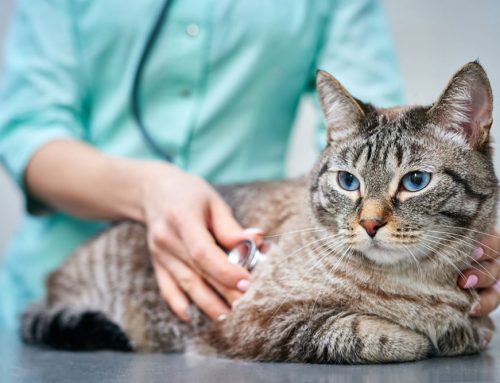
Many parasite infections show no signs at first, so we catch them with routine fecal testing and a thorough physical exam rather than waiting for symptoms to appear. A stool check finds worm eggs long before your cat looks unwell, and a close look at the skin and coat turns up the fleas and mites your cat has been quietly grooming away.
Why Indoor Cats Still Need Yearly Fecal and Heartworm Tests
Routine fecal testing spots parasite eggs under the microscope that no one could see in the litter box. Pairing the test with a wellness exam once or twice a year keeps a running baseline, so anything new stands out against what’s normal for your cat. For kittens, we recommend a standard fecal plus giardia test, since giardia is more common for kittens coming from shelters or group housing. If your cat has a bout of diarrhea or has never been screened, a check sooner than the annual visit is often the smart call.
A heartworm test is included as a part of a combination blood test we recommend annually for all adult cats, and is a part of our adult cat wellness packages. That test covers Feline Immunodeficiency Virus (FIV), Feline Leukemia Virus (FeLV), and heartworm. Heartworm disease can’t be cured in a cat, only managed, and that screening allows us to start therapies to limit your cat’s symptoms. All three of these diseases have serious, life-long implications, making screening a key part of their wellness.
What Are the Signs of Parasites in Cats?
Because cats are experts at hiding discomfort, the signs of parasites tend to stay quiet until the problem is well along. A handful of patterns are worth a call:
- Skin and coat: constant scratching or over-grooming, thinning fur, scabs, specks of black “flea dirt” worked into the coat, or a coat that stays dull despite normal grooming.
- Visible clues: live fleas darting through the fur, or rice-like tapeworm segments near the tail or in the bedding.
- Digestive changes: vomiting, diarrhea, or a swollen belly.
- Whole-cat signs: dropping weight, eating less, low energy, or coughing and labored breathing.
A cough or any change in breathing deserves prompt attention, not a wait-and-see week; that’s what urgent care during our open hours is for. For the slower-moving signs on this list, schedule an exam and we’ll sort out whether parasites are behind them.
How Do We Build a Parasite Prevention Plan for Your Cat?
We start with your cat’s real life: whether other animals come and go, whether children or immune-compromised family members share the home, and what’s worked before. From there we match the products, set a testing schedule, and build in reminders so nothing slips through the cracks.
A wellness visit is where this comes together, and reworking the plan as your cat ages or the household shifts is simply part of how we work. Questions between visits are always welcome. When you’re ready to start or refresh a plan, book a visit and we’ll take it from there.
Frequently Asked Questions About Indoor Cats and Parasites
If my cat never goes outside, do I really need flea prevention?
Indoor cats still need flea prevention, because fleas don’t depend on your cat going out. They arrive on your shoes, on a visiting dog, or on you after a walk in the yard, and once inside a warm home they breed in carpets and bedding all year long. A monthly preventive takes most of that risk off the table and spares you the much bigger job of clearing an infestation out of the whole house later.
Can my indoor cat really get heartworm?
Yes, indoor cats do get heartworm, because screens and doors aren’t a perfect mosquito barrier. It’s often underdiagnosed in cats because the signs, coughing or occasional wheezing, look a lot like asthma. There’s no approved treatment for an infected cat, which is why a monthly heartworm preventive is worth keeping current even for a cat who never sets foot outside.
How often should an indoor cat have a fecal test?
Most indoor cats do well with a fecal test once a year, usually paired with the annual wellness exam, while kittens and cats with digestive trouble may need them more often. The test looks for parasite eggs you can’t see, so a normal-looking stool doesn’t rule out a problem. If your cat starts having diarrhea, vomiting, or unexplained weight loss, a stool check sooner is a good idea rather than waiting for the yearly visit.
Protecting Your Indoor Cat, Season After Season
Most of the harm parasites do to indoor cats, from allergic skin to scarred lungs, is preventable: a monthly product matched to your cat, a yearly stool check, and a little consistency keep the vast majority of these problems from ever getting started. If your cat has skipped prevention because they live indoors, that’s an easy gap to close. Reach out to our team at Valley Center Veterinary Clinic and we’ll help you put a simple, year-round plan in place.





Leave A Comment