

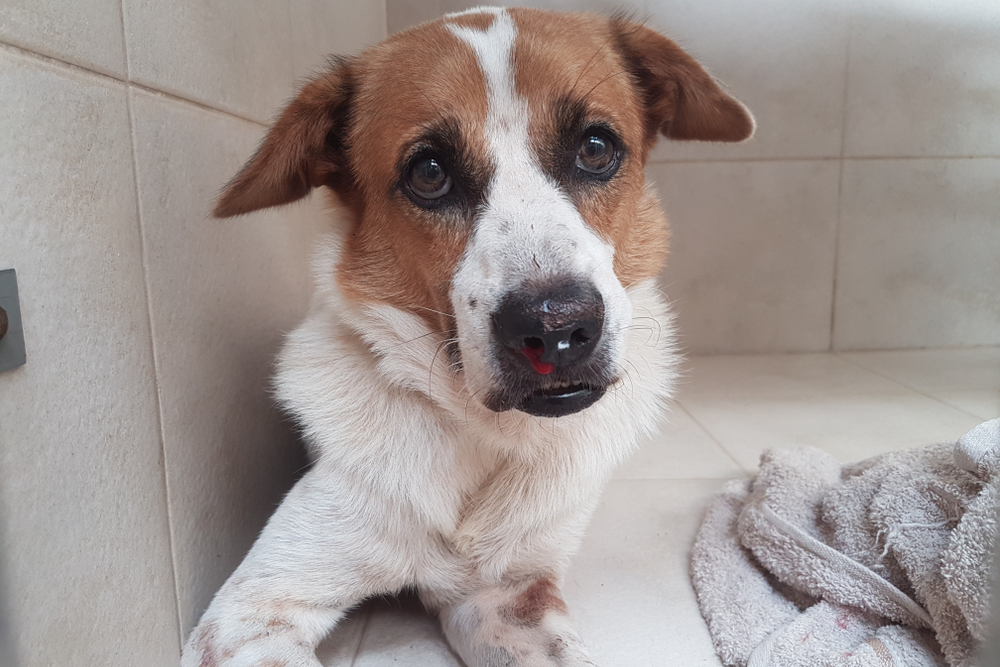
Your pet’s own defense system can turn against its blood cells by mistake, treating healthy red cells or platelets as though they were invaders and destroying them. Think of the immune system as a security force that suddenly attacks the very citizens it is meant to protect: when it goes after red blood cells, the result is IMHA, immune-mediated hemolytic anemia, and the pet grows dangerously anemic, and when it goes after platelets, the result is ITP, immune-mediated thrombocytopenia, and the blood loses its ability to clot. It is the same friendly-fire mistake aimed at two different targets, which is why both dogs and cats can crash quickly. Recognizing the cause of the misfire is the first step, and catching the early signs is what buys treatment the time it needs to work.
Valley Center Veterinary Clinic believes you should understand the reasoning behind every result, which matters most when the diagnosis is something as frightening as the immune system turning on its own blood. Our in-house diagnostics include the CBC and bloodwork that catch a plummeting red cell or platelet count and the ultrasound we use to look for a swollen spleen or an underlying cancer behind the attack. If your pet is pale, weak, or bruising, get in touch, and for a sudden collapse or crisis when we are closed, a 24-hour emergency hospital is the safest place for your pet.
IMHA and ITP Quick Facts
- IMHA and ITP both start when your pet’s immune system mistakes its own blood cells for invaders, going after oxygen-carrying red cells in IMHA and clot-forming platelets in ITP.
- Pale or yellow gums, unusual tiredness, faster breathing at rest, easy bruising, or dark urine are the early clues that buy treatment the time it needs to work.
- Many cases hide a trigger, often a tick-borne infection, that has to be found and treated or the immune attack keeps coming back.
- Fast bloodwork and a plan built around your pet give most dogs and cats a genuine chance at recovery.
What Does It Mean When the Immune System Turns on Its Own Blood?
Immune-mediated diseases develop when a pet’s own defenses lose the ability to tell friend from foe and begin destroying healthy blood cells, either the red cells that carry oxygen or the platelets that control clotting.
The distinction between primary versus secondary disease shapes the entire treatment plan, because a hidden trigger left untreated will keep the attack going no matter how much the immune system is calmed. In primary disease, no underlying cause turns up, and the goal is to suppress the overactive response directly. In secondary disease, something else is driving it, an infection, a cancer, a toxin, and that root has to be treated alongside the immune suppression.
Here’s how the two main conditions line up:
| Condition | What the immune system destroys | What you might notice | The main danger |
| IMHA | Red blood cells | Pale or yellow gums, weakness, fast breathing | Severe anemia and abnormal clots |
| ITP | Platelets | Bruising, petechiae, nosebleeds, bloody urine | Uncontrolled internal bleeding |
| Evans syndrome | Both at once | A mix of the above | Bleeding and clotting risk together |
What Is IMHA, and How Fast Can It Turn Serious?
IMHA is one of the most serious conditions we treat in dogs and cats. Immune-mediated hemolytic anemia sets in when red blood cells are broken down faster than the body can rebuild them, and every organ that depends on oxygen begins to feel the shortfall. Left unchecked, it can slide from subtle tiredness into a true crisis within a day or two.
A dog who was fine at breakfast can be weak and pale-gummed by dinner, which is why early recognition matters so much.
What Are the Early Warning Signs of IMHA?
The first hints are easy to brush off: your pet naps more, tires on a walk they used to love, or breathes a little faster while resting. Pale or jaundiced gums are one of the clearest home warnings, since healthy gums should be a firm pink rather than washed-out white or tinged yellow. Dark or orange-brown urine and a fading appetite often show up around the same time.
A documented breed predisposition means Cocker Spaniels and a handful of other breeds face higher odds of IMHA, so their families have every reason to act on subtle changes quickly.
What Triggers Secondary IMHA?
Finding the driver behind secondary IMHA is the difference between a real recovery and a frustrating relapse. The usual suspects group into a few categories:
- Tick-borne infections: These sit at the top of our list in Valley Center, since a bite that happened weeks or months ago can still be driving the attack long after the tick is gone.
- Other infections: Leptospirosis, picked up from puddles and contaminated soil, is one of a number of bacterial triggers that can set a secondary immune attack in motion.
- Blood parasites in cats: Hemotropic mycoplasma is a red-cell organism that can spark hemolysis in cats specifically.
- Cancers: Aggressive tumors like hemangiosarcoma and lymphoma can quietly provoke the immune system into attacking its own red cells.
- Viruses and toxins: Feline leukemia virus in cats, zinc from a swallowed coin or piece of hardware, and certain snake envenomations or drug reactions can all tip the balance.
Tick-borne triggers earn extra attention because they are common here, easy to miss on a physical exam, and very treatable once we identify them.
Why Is Clotting the Hidden Killer in IMHA?
The dangerous surprise in IMHA is abnormal blood clotting: while red cells are being torn down, the clotting system revs up and throws clots that rank among the leading causes of death in these patients. That’s why hospitalization and close monitoring aren’t excessive, they’re how we catch a clot before it does the worst damage.
Signs that a clot may be forming need care right now, not in the morning:
- Sudden trouble breathing or a jump in breathing rate
- A leg that turns cold, painful, or weak
- Collapse or a sudden crash in energy
If any of these appear, reach us right away, and if we’re closed, head to a 24-hour emergency hospital.
What Is ITP, and Why Is My Pet Bruising or Bleeding?
ITP, immune-mediated thrombocytopenia, is the platelet version of the same friendly-fire problem. Immune-mediated thrombocytopenia strips away the platelets that let blood clot, so bruising and bleeding can appear with no injury behind them. Because a lot of that bleeding happens on the inside, a pet can look only mildly off while quietly losing blood where you can’t see it.
What Does ITP Look Like at Home?
The tell-tale signs live on the skin and in the fluids. Watch for pinpoint red or purple spots, called petechiae, on the belly or gums, unexplained bruising, nosebleeds with no bump to explain them, blood in the urine or stool, and small cuts that bleed far longer than they should. Any one of these earns a same-day look.
What Triggers ITP in Dogs and Cats?
Like IMHA, ITP is often secondary, and tick-borne infections sit near the top of that list as well. Heartworm disease is another infectious trigger of secondary platelet destruction, one more reason year-round prevention earns its keep. Distemper, leptospirosis, certain medications, and some cancers round out the field. Regular wellness visits are the natural place to screen for the viral and infectious triggers, and vaccinate against them, before they cause trouble.
Rarely, ITP has been linked to recent vaccination, and the protection vaccines provide against deadly disease far outweighs that small risk.
What Is Evans Syndrome in Dogs and Cats?
When both red cells and platelets come under attack at the same time, these concurrent immune-mediated conditions define Evans syndrome and call for constant monitoring and frequent medication changes. It’s uncommon, and it’s the most demanding version to manage, because calming one arm of the attack can’t come at the expense of the other.
Could a Tick Bite Be Behind My Pet’s Blood Disorder?
It absolutely can, and Babesia, Ehrlichia, Anaplasma, Rocky Mountain spotted fever, and Lyme disease are the ones we test for. Each either sets off immune-mediated blood destruction or mimics it closely enough that missing it leads straight to relapse. Ticks stay active year-round in Valley Center, so ruling them out is part of the workup.
Babesia, a red-cell parasite seen more often in Pit Bulls and Greyhounds and even passed dog-to-dog through bites, is a textbook example of an infection that can masquerade as primary IMHA. The others each leave their own mark on blood counts, which is why we test for them rather than guess. Catching a silent infection before it snowballs is one more reason routine wellness screening for dogs pays off long before a crisis starts.
Every gap in coverage opens an exposure window, and a single missed month can be enough to develop a disease. Prescription products are far more reliable than most over-the-counter options, and staying consistent with year-round parasite prevention is one of the most effective ways to lower the risk of a secondary blood disorder due to ticks or heartworm disease.
How Do We Find Out What’s Attacking the Blood?
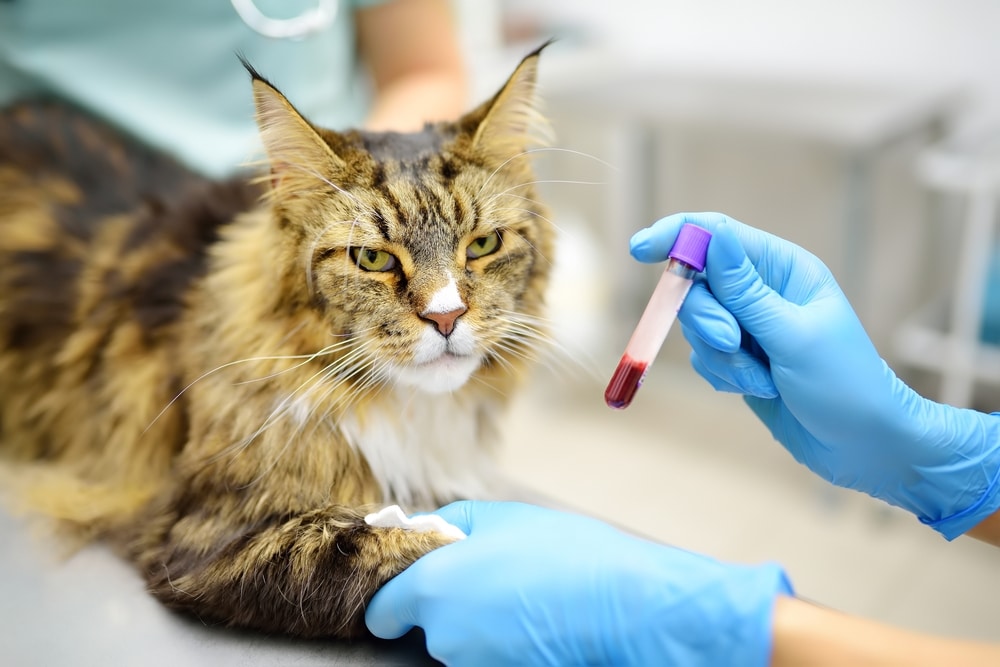
Diagnosis begins with your pet’s recent history and a hands-on exam, then moves quickly to blood work that shows whether red cells or platelets are the ones under attack.
The core tests each answer a different question:
- A CBC and blood smear reveal which cells are crashing.
- A reticulocyte count shows whether the bone marrow is fighting back.
- The Coombs test looks for antibodies stuck to red cells.
- A chemistry panel shows how internal organs are functioning and can indicate toxin exposure.
- Tick-borne disease screening looks for secondary triggers.
- Imaging like X-ray and ultrasound searches for a hidden tumor to round out the picture.
Because our on-site diagnostics with blood testing, X-ray, and ultrasound run without an outside lab, we get answers in hours instead of days.
How Are IMHA and ITP Treated?
Treatment runs on two tracks at once: shut down the immune attack, and support the body while blood counts climb back. Secondary cases add a third job: treating whatever set the reaction off. Because no two patients respond the same way, we build the plan around your pet, with upfront pricing you can see from the start, and adjust the medications as the counts move.
How Is IMHA Treated?
- Immunosuppression: Medications such as prednisone calm the immune system so it stops destroying red cells.
- Anti-clotting support: High-risk patients often get a blood thinner to head off dangerous clots.
- Transfusions and advanced care: Severely anemic pets may need a blood transfusion to buy time, alongside IV fluids and other hospital support, and the most refractory cases can be candidates for therapeutic plasma exchange at a specialty center.
- Targeted antimicrobials: When a tick-borne or other infection is confirmed as the trigger, treating it directly is part of the cure.
Our team will go over the plan with you in detail and make sure all of your questions are answered.
How Is ITP Treated?
Corticosteroids are the first-line tool for ITP, dialing down the immune system so platelet numbers can recover. Vincristine, a medication that nudges the bone marrow to release more platelets, often gets added early. For critically low counts, intravenous immunoglobulin can help, and for cases that refuse to respond, removing the spleen is a later-stage option worth discussing.
When Should I Get My Pet Seen Right Away?
A short list of signs means your pet needs to be seen the same day, not tomorrow. Each one points to a blood emergency that’s already in motion.
| Warning sign | What it can signal | What to do |
| Sudden weakness or collapse | Severe anemia or a clot | Come in immediately |
| Pale or yellow gums | Red cells being destroyed | Be seen today |
| Unexplained bruising or petechiae | Platelet loss | Be seen today |
| Labored breathing at rest | Anemia or a lung clot | Get seen now |
| Dark or blood-tinged urine | Active red-cell breakdown | Be seen today |
Profound lethargy, a pet who won’t get up or barely responds, belongs on this list too. When you see any of it, book a same-day sick visit or come in for Valley Center veterinary emergency care, just call ahead so we’re ready for you. If it’s after hours, a 24-hour emergency hospital is the safest place to go.
Still Wondering About IMHA and ITP? Quick Answers
Can dogs and cats fully recover from IMHA or ITP?
Many do. With prompt treatment, a large share of pets respond well and go on to live normal lives, though recovery can take weeks and some need long-term medication to keep the immune system in check. Relapses happen, which is why repeat bloodwork and steady communication with us matter long after your pet starts feeling better.
Is this contagious to my other pets or my family?
The immune-mediated disease itself isn’t contagious. What can spread, in specific cases, is an underlying trigger: babesia can pass between dogs through bites, and infections like leptospirosis have their own transmission routes, including some risk to people. If an infectious trigger turns up, we’ll talk through what it means for the rest of your household.
How long will my pet be on medication?
It varies. Immunosuppressive medications are usually tapered slowly over months, never stopped abruptly, because pulling back too fast can let the attack flare again. Some pets come off treatment entirely once their counts hold steady, while others stay on a low maintenance dose for the long haul. We base every adjustment on repeat bloodwork rather than the calendar, so the plan bends to your pet’s response.
Building Your Pet’s Plan, Together
A diagnosis like this is frightening, and it’s fair to feel shaken. Even so, fast and accurate diagnosis gives most dogs and cats a genuine chance at recovery, and recognizing the warning signs early is the single biggest thing you can do.
If your pet is showing any of the changes we’ve covered, don’t wait to see if they pass. Reach our team at Valley Center Veterinary Clinic and we’ll sort out what’s happening and map the next steps together.






Leave A Comment