

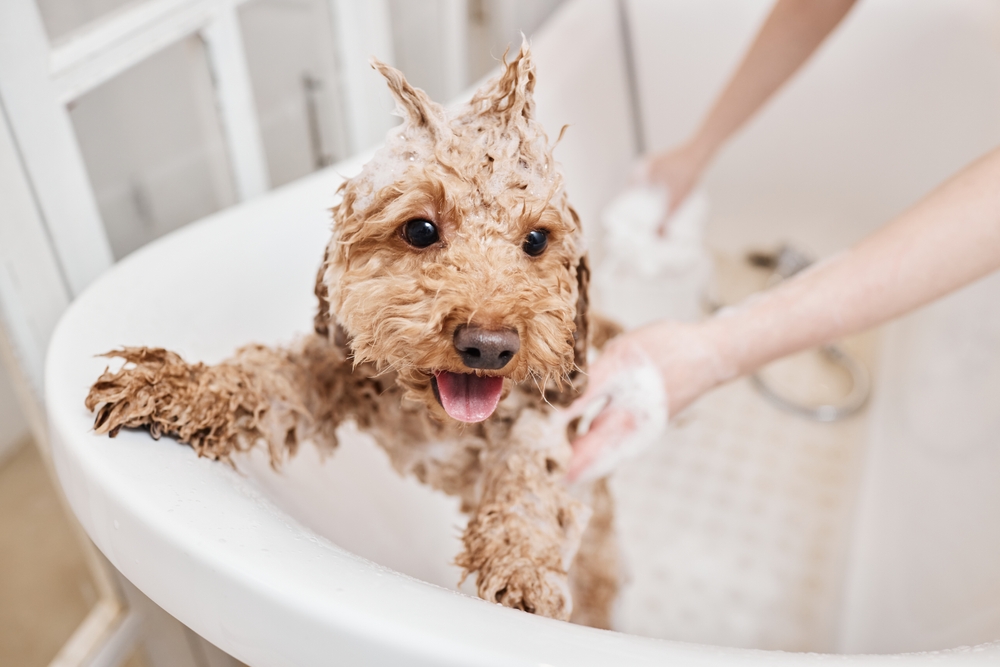
The shampoos and rinses that are actually safe for a sensitive-skin pet are the ones matched to what is irritating the skin in the first place, not the ones marketed the loudest on the pet-store shelf. Fragrance-heavy shampoos, harsh degreasers, and human products strip the natural oils a dog or cat’s skin needs, and rinsing incompletely leaves residue that keeps the itch going. A gentle, pH-appropriate shampoo, a proper cool-water rinse, and a bath schedule that fits the pet do most of the work at home. Medical causes of sensitive skin, like allergies and endocrine conditions, need to be properly treated and often need shampoos built for their specific conditions. The routine that helps a red, flaky dog is often wrong for an itchy cat, which is why the plan has to be built around your pet.
Family-owned in the San Diego County foothills, Valley Center Veterinary Clinic can examine your dog or cat’s skin, run basic bloodwork through our in-house lab when the itch points to something beyond grooming, and help you sort through which shampoos, rinses, and routines are worth using at home. If your dog or cat is scratching, flaking, or licking themselves raw, request an appointment and we will build the home-care plan together.
Sensitive-Skin Grooming in a Nutshell
- The safest shampoo is the one matched to your pet’s specific skin problem, and a fragrance-free, pH-balanced formula rinsed out completely does far more good than any product picked for its scent.
- Sensitive skin usually has an underlying cause, from allergies and fleas to breed traits or a medical condition, and finding that cause matters more than any single bath.
- A good at-home plan is more than baths, since brushing, nail care, ear and dental hygiene, and gentle handling all protect the skin and let you catch problems early.
- Persistent itching, worsening sores, hair loss, or repeat infections mean it is time for a hands-on exam, because grooming changes alone rarely fix a medical skin problem.
What Actually Causes Sensitive Skin in Dogs and Cats?
Sensitive skin is usually a symptom, not a diagnosis. Something is irritating the skin barrier, and the redness, flaking, and itch you see are the response. Pinning down that trigger is what turns a frustrating cycle of baths into a plan that works.
What are the common causes of skin sensitivity?
Skin trouble rarely traces back to one thing, and the same itchy dog may be reacting to several at once. The main drivers usually sort into a handful of categories:
- Environmental allergens: Pollen, grass, dust mites, and mold can all set off itching, especially seasonally in our foothill climate.
- Food sensitivities: Certain proteins or ingredients trigger reactions that show up on the skin and ears rather than the stomach.
- Parasites: Fleas, mites, and other pests cause direct irritation, and in a sensitized pet, flea allergy dermatitis can flare from a single bite.
- Underlying medical conditions: Hormonal imbalances, endocrine problems, and yeast or bacterial infections often masquerade as “just dry skin.”
- Breed predispositions: Some dogs and cats inherit thinner or more reactive skin, prone to allergies and skin-fold irritation.
Left alone, any of these can spiral from mild itching into redness, dryness, hot spots, and the secondary infections that come when a pet scratches or licks an area raw.
How do I know my pet needs specialized grooming?
Your pet will usually tell you, if you know what to watch for. Constant scratching, licking, or chewing at one spot is the loudest signal, but the quieter ones matter too: flaky or greasy patches, thinning fur, redness, a musty odor, recurring ear problems, or a normally mellow pet who suddenly hates being brushed. When persistent scratching gives way to hair loss, the skin has moved past simple dryness. Catching these early is the whole point, and because reactive skin is so individual, personalized wellness plans from our AAHA-accredited hospital let us tailor exams and follow-up to your pet.
Why Does Regular Grooming Matter So Much for Sensitive Skin?
Consistent grooming is one of the most underrated tools for skin health, because it works on two fronts at once: it keeps the coat and skin in better shape, and it turns you into an early-warning system for problems.
How does grooming support healthy skin?
The payoff of consistent grooming goes well beyond a clean coat, since brushing spreads protective oils, clears trapped allergens, and turns every session into a check for lumps or parasites. It also prevents mats, which trap moisture and bacteria against the skin. How often is right depends on the pet: coat type, lifestyle, and skin needs all shift the answer, so a short-haired indoor cat and a fluffy dog who hikes every weekend land on very different schedules. That whole-pet attention is what makes our routine wellness exams a natural place to fine-tune a routine.
What changes for senior pets?
Older pets need a gentler hand. As pets age, senior grooming calls for shorter, gentler sessions, because thinner skin, stiff joints, and slowing self-care make the old routine too much. An arthritic cat may stop grooming hard-to-reach spots, and a senior dog may not tolerate a long bath. Break sessions into shorter pieces, support stiff joints, and stop before your pet gets sore. Our senior wellness care helps sort out whether a coat or skin change is just age or a sign of something like a thyroid or metabolic issue that deserves treatment.
How Do I Choose the Right Shampoo and Rinse?
The right product is gentle, pH-appropriate for pets, and matched to your pet’s actual skin problem. Fragrance-free and hypoallergenic formulas are the safest starting point, human products are off the table, and thorough rinsing matters as much as the shampoo itself. Our online pharmacy has a number of great shampoos, sprays, wipes, and mousses formulated for every skin type, and our team can point you in the right direction.
How do I pick a gentle shampoo or rinse?
Read the label for what is not in it as much as what is. Hypoallergenic, fragrance-free, pH-balanced formulas made for pets are the backbone of sensitive-skin care, ideally with moisturizing agents like oatmeal or ceramides to support the skin barrier. Skip anything made for humans, even baby shampoo, since our skin sits at a different pH and can leave a pet’s skin dry and vulnerable.
Flea shampoos can be very harsh on sensitive skin; skip them and instead use a veterinary-prescribed flea preventative. They work better than a flea shampoo, without the skin-irritating ingredients.
Here is a quick way to think about the main product classes:
| Product type | Best for | Key notes |
| Maintenance / hypoallergenic | Routine bathing, mild dryness | Fragrance-free, gentle, safe for regular use |
| Moisturizing / oatmeal | Dry, flaky, itchy skin | Soothes and rehydrates the skin barrier |
| Medicated (antifungal/antibacterial) | Diagnosed infections, yeast, hot spots | Needs contact time; use under vet guidance |
| Soothing mousse / leave-on | Between baths, spot care | No-rinse options for sensitive or bath-averse pets |
Whatever you choose, rinse until you are sure it is gone, then rinse once more. Leftover residue is a common, sneaky cause of ongoing itch.
When do we need prescription or medicated products?
Over-the-counter products handle everyday care, but they hit a ceiling. When the skin is infected, greasy with yeast, or covered in hot spots, a diagnosed problem calls for a medicated product with the right active ingredients and contact time. Chlorhexidine and miconazole are great for bacterial and yeast overgrowth, or a phytosphingosine-based shampoo for irritated, reactive skin. The same medicated shampoo can help one pet and worsen another, which is why veterinary guidance matters. Once we know what we are treating, we map out the best treatment plan for your pet based on the diagnosis and a conversation with you, and you can always reach out with questions about products before you commit to something new.
How Do I Build an At-Home Grooming Plan?
A solid home plan is built from a calm bathing routine and steady brushing between baths, each tuned to your pet’s skin and coat. The goal is not more grooming but smarter grooming: enough to keep the skin healthy, gentle enough that your pet does not dread it, and consistent enough that you notice changes early.
How do I set up a gentle bathing routine?
Start before the water runs. Gather everything first, use lukewarm (never hot) water, and work the shampoo in gently, letting medicated formulas sit for the full contact time before you rinse. Conditioner isn’t necessary for every pet, but can make a big difference for some. Look for oatmeal-based, skin soothing options. Then rinse thoroughly and dry with a towel or a cool dryer setting so a damp coat does not become its own problem. Make sure to dry ears and skin folds thoroughly, as moisture in those areas will set them up for a skin infection.
The emotional side matters as much as the mechanics. Building cooperative care into bath time, with treats and calm pacing that let your pet opt in, turns a dreaded ordeal into routine. Frequency should follow the skin, not the calendar: some medicated plans call for weekly baths for a stretch, while an over-bathed healthy pet ends up drier and itchier. After any product change, watch the skin for a few days for new redness or itch.
What about brushing between baths?
Brushing is where a lot of the real work happens. It lifts out dirt, allergens, and dead hair, stimulates circulation, and spreads the skin’s natural oils down the coat. The right tool depends on the coat: slicker brushes and undercoat rakes for thick double coats, bristle brushes for short coats, and a wide-tooth comb for tangles. For mats and tangles, patience beats force. Work them loose gently, never yank, and never cut a mat off blind with scissors, since the skin tents up underneath and is easy to nick. When mats are widespread or too tight to safely remove at home, bring in a professional groomer or ask us for help.
What Else Belongs in a Sensitive-Skin Grooming Routine?
Grooming is more than the coat. Nails, ears, teeth, paws, and skin folds all affect a sensitive pet’s comfort and skin health, and each is easy to work into a normal routine. Ignoring them tends to create the exact irritation you are trying to prevent.
How should I handle nails, ears, and teeth?
Regular nail trimming keeps overgrown claws from throwing off posture and gait, and staying short of the quick spares your pet pain. Short nails also limit the damage your pet does to themselves when scratching.
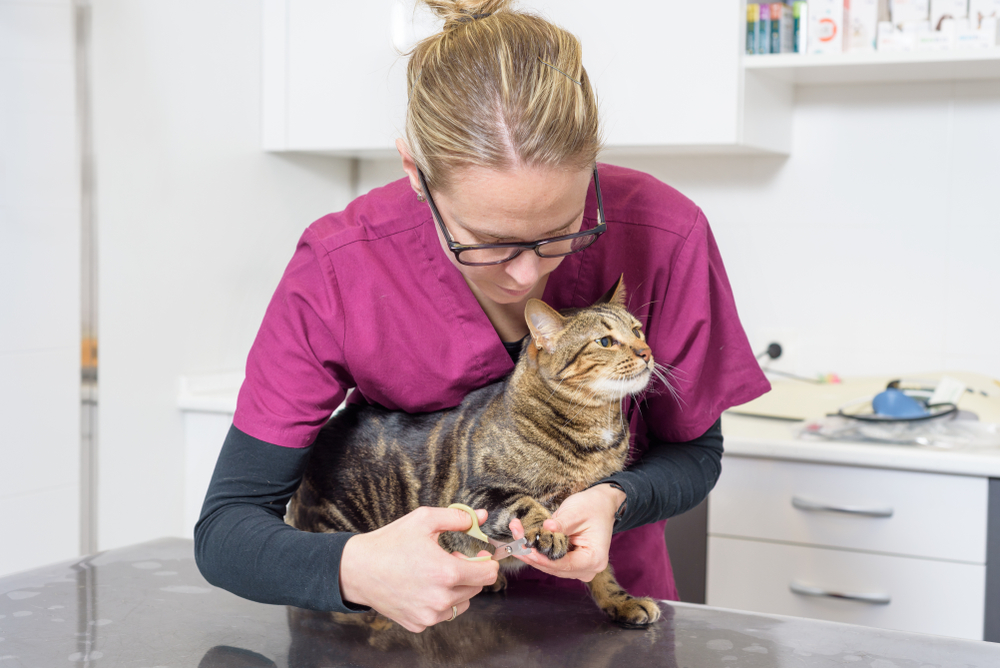
Ears and teeth round out the routine:
- Ears: Pets with allergies are prone to ear infections, so a quick check for redness, odor, or head-shaking belongs in every session alongside gentle, vet-approved cleaning.
- Teeth: Good teeth brushing supports whole-body wellness, and easing that low-grade oral inflammation lightens the load on a pet already fighting skin problems. Our dental cleanings and at-home tooth care guidance helps you keep that going between visits.
What about paws and the face?
Paws take a beating and deserve a look-over. Check the pads and clean between the toes, where debris, moisture, and allergens collect. The face needs a soft touch too. Gently wipe facial folds and clean under the eyes, since trapped moisture and lingering tear stains can breed irritation and odor. These crevices matter more in sensitive pets and brachycephalic (short-faced) breeds, as facial folds, rolls around tails in Bulldogs and Frenchies, and between the toes or undersides of paws are common spots where skin infections set in.
When Should I Stop Grooming and Call the Vet?
Grooming complements veterinary care, but it does not replace it. Use every session as a hands-on health check, and know the line where at-home care stops being enough. When itching, sores, or infections keep coming back despite your best routine, the skin is telling you something a bath cannot fix.
How do at-home health checks help?
You are already touching your pet all over during grooming, so put that to work. Working at-home health checks into every session, running your hands over the whole body to feel for new lumps, sore spots, or hitchhiking parasites, means problems get caught between visits instead of after they grow. Jot down anything new so you can point us to it at the next exam.
When is it time for a professional skin workup?
Some signals mean grooming tweaks have run their course:
- Persistent itching despite product and routine changes
- Worsening sores, redness, or hot spots that spread or will not heal
- Recurrent ear or skin infections that keep returning after treatment
- Sudden or patchy hair loss, or a change in coat quality
- Behavior changes like new irritability, restlessness, or hiding
Underlying medical conditions, from allergies to hormonal disease, usually need diagnosis and treatment beyond grooming, and basic bloodwork or skin testing often points the way. If your pet is stuck in this cycle, book a dermatology consultation so we can look past the symptoms to the cause.
Frequently Asked Questions About Sensitive-Skin Grooming in Pets
How often should I bathe a dog or cat with sensitive skin?
There is no single right number, because it depends on the skin. Many sensitive pets do well with a bath every three to four weeks using a gentle, fragrance-free shampoo, while a diagnosed skin infection may call for medicated baths as often as weekly for a stretch. Over-bathing a healthy coat backfires and leaves the skin drier and itchier. The safest approach is to match frequency to your pet’s condition, which we can help you dial in during an exam.
Can I use oatmeal or human shampoo on my pet in a pinch?
Pet-specific oatmeal shampoos are a good gentle option and fine for regular use on sensitive skin. Human shampoos, including baby shampoo, are not, even in a pinch. Human skin and pet skin sit at different pH levels, so human products can strip protective oils and leave your pet drier and more irritated. If you are out of pet shampoo, a plain lukewarm-water rinse is safer than reaching for a human bottle until you can restock.
Will grooming alone fix my pet’s itchy skin?
Sometimes, but often not. Good grooming genuinely helps by removing allergens, soothing the skin, and catching problems early, and for mild dryness it may be all that is needed. When itching is driven by allergies, parasites, infection, or a medical condition, grooming manages the symptoms but does not resolve the cause. If your pet keeps scratching despite a solid routine, that persistence is the cue to have us examine the skin and look for what is really going on.
Building Your Pet’s Skin-Care Plan Together
Healthy skin rarely comes down to one perfect product. It comes from a routine built around your specific dog or cat, revisited as their needs change, and backed by regular checkups that catch small problems before they grow. Whether you are sorting through shampoos, refining a bathing schedule, or worried about an itch that will not quit, you do not have to figure it out alone.
Regular wellness and preventive care exams are the right place to build that plan. When the skin needs a closer look, you can schedule a grooming-focused visit and we will work through the options with you.



Leave A Comment