


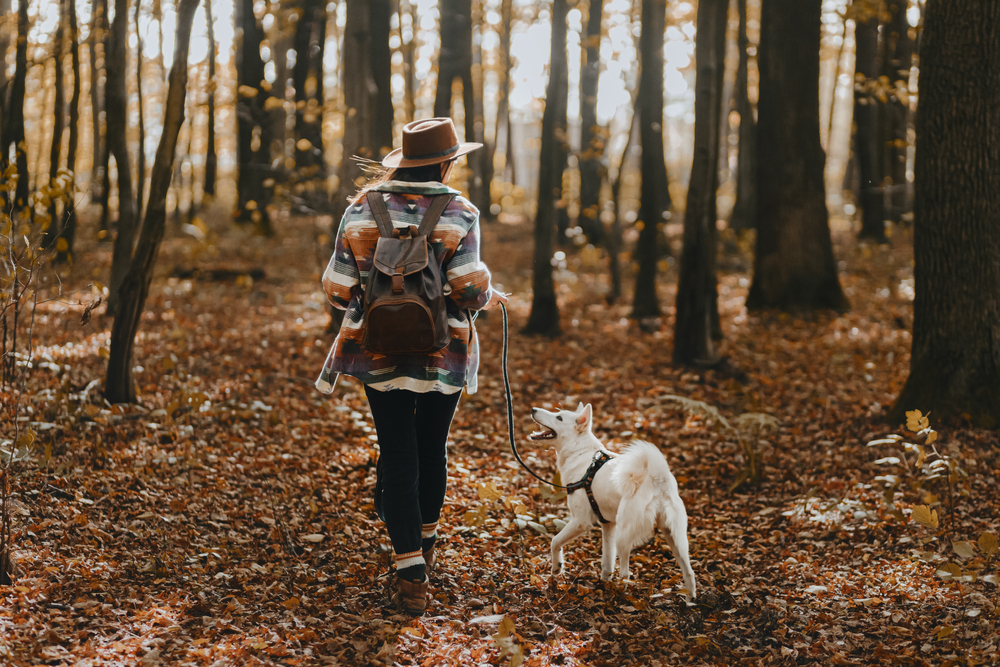
The trail hazards that fill California urgent care schedules through the warm months are paw pad lacerations from rocky terrain, foxtails burrowing into ears and between toes, overheating on exposed climbs, rattlesnake bites, and soft-tissue injuries from jumping and scrambling. Most range from a nuisance to a true emergency depending on where the injury lands and how quickly you catch it. The tricky part is that dogs hide pain on the trail because they are excited to keep going, so the limp or the swelling often surfaces back at the car or later that night.
Rattlesnake country runs right through our backyard here in the foothills, and Valley Center Veterinary Clinic sees the full range of trail injuries all summer long. We handle same-day workups for paw lacerations, foxtail removal, and heat-related illness with our AAHA-accredited in-house lab and digital X-rays, and we include the rattlesnake vaccine in our wellness packages because so many of our patients hike these hills. If you need urgent care, please call ahead so we can triage before you arrive. Or, request an appointment if you’d like a pre-hike wellness check and vaccine update so you have safer adventures with your hiking buddy.
Trail Safety in Four Quick Points
- Paws take the most hits on the trail, between rocky lacerations, hot-ground burns, and foxtails or cactus spines that burrow in and keep migrating.
- Heat is the single most dangerous trail hazard, and Southern California’s dry heat fools plenty of hikers into thinking it is milder than it is.
- Rattlesnake bites are a real threat in our foothills and count as a true, time-critical emergency.
- Dogs hide trail pain because they are having too much fun to quit, so the injury you missed on the trail often shows up back at the car or that night.
Not Sure Whether to Wait or Come In? Start Here.
Most trail injuries land in a middle ground we handle as everyday urgent care during regular hours: deep pad cuts, migrated foxtails, persistent limping, and moderate heat stress. True emergencies like rattlesnake bites, major trauma, and toxin ingestion get the same response: come in fast, and tell us you are on the way so our team can be prepared for life-saving care.
If your dog is hurt after we have closed, our after-hours video triage can help you decide whether it can wait until morning or needs an ER now. When it can’t wait, head directly to the nearest emergency facility.
Reading the Trail: Which Hazard Leads to Which Injury?
Rocky terrain, foxtails, heat, rattlesnakes, jumps, and trailside water each carry their own risk, and pairing the common ones with the right response makes the call far easier when you are standing on the trail with a worried dog.
Dogs rarely quit when they hurt, running on adrenaline until the excitement wears off, so learning to read pet pain signs like a lowered tail, sudden panting, or a subtle shift in gait lets you catch a problem on the trail instead of that night. Stop early to assess, because a dog who keeps running on a partly torn pad or a strained knee turns a two-day recovery into a two-week one.
| Hazard | Likely injury | What to do |
|---|---|---|
| Rocky or hot terrain | Pad cuts, abrasions, burns | Stop, check the pads, cover or turn back |
| Foxtails, cactus, goatheads | Embedded material in paws, ears, coat | Remove what you can, watch for swelling, come in if it migrates |
| Heat and sun | Overheating, heat stroke | Cool with cool water, rest in shade, seek care if not recovering |
| Rattlesnakes | Venomous bite, rapid swelling | Emergency, keep the dog calm and still, get to a vet now |
| Jumps and scrambles | Strains, sprains, cruciate tears, fractures | Rest, limit weight-bearing, have it evaluated |
| Trailside water | Algae toxins, drowning, ear infection | Avoid stagnant water, use a life jacket, dry ears after |
What Can You Do at Home to Stack the Odds in Your Dog’s Favor?
The dogs we see least after hikes belong to hikers who prepared, and most of that preparation happens at home. It comes down to three things: the gear you pack, the prep you do before you leave, and the skills you carry with you. Get those right and you have handled most of what a trail throws at a dog.
- Gear: A good harness gives you control and a handle to help your dog up ledges, and booties, plenty of water, and a small first-aid pouch cover the most common trail problems.
- Prep: Build fitness gradually so muscles and pads have time to toughen, know the leash laws and trail regulations where you hike, and check the forecast so you can plan around the heat.
- Skills: A short course in pet first aid turns the panicky moments into ones you can manage, and a simple at-home checkup routine helps you spot changes early.
Trail season also benefits from updated vaccines and flea, tick, and heartworm coverage, so staying current on parasite prevention and wellness care is one of the simplest ways to keep the outdoors from following your dog home.
Why Do Paws Absorb the Most Damage on the Trail?
Paws are the single most common trail-injury site we see. A quick paw check matters after every outing.
The main culprits all work inward: foxtails are barbed grass awns that migrate point-first, cactus spines work deeper over time, and goatheads are hard spiked thorns that punch straight into a pad. None back out on their own.
How Do You Prepare Paws Before the Hike?
A little prep does more for your dog’s paws than anything on the trail:
- Trim the nails: Short nails are less likely to catch and tear on rock, so keep up with nail trimming before trail season.
- Test the ground first: Ten seconds with a bare hand on the rock tells you what your dog’s pads are about to walk on. If it’s too hot for your hand, it’s too hot for their paws.
- Use foot protection: Booties are worth it on sharp rock and in foxtail-, cactus-, and goathead-heavy stretches, especially for dogs who hike often.
How Do You Check Paws After the Hike?
The post-hike paw check is the highest-value two minutes of the whole outing. Go slow and cover every spot the grass can reach:
- Look at each nail: A nail cracked below the quick or torn loose at the base needs a visit.
- Feel the pads: Check for cuts, cracks, blisters, or the darkened, leathery look of a heat burn.
- Comb for hitchhikers: Run your fingers through the toes, webbing, ears, and coat for embedded foxtails, cactus spines, or goathead thorns; anything you cannot fully remove, or a spot that swells or oozes over the next day or two, is worth having us look at.
How Do You Handle a Paw Injury on the Trail?
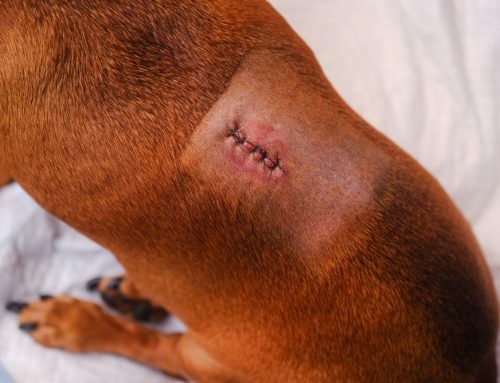
Clean and minor can finish the hike; deep, gaping, or stubborn needs to be seen. A bleeding nail usually stops with pressure and a pinch of styptic powder, while a deep pad cut that gapes or will not stop bleeding is a same-day problem. Gently pull embedded thorns, spines, or grass awns only if the tip is visible and comes freely; anything that has burrowed in or sits near the eye or ear should be left alone and brought in. For the deeper cuts or migrated foxtails that turned into an abscess, our team handles wound and laceration repair.
What Makes Heat the Deadliest Thing on the Trail?
Heat causes the trail emergencies that escalate fastest, and it is the hazard most likely to turn deadly in the time it takes to hike back to the car. Southern California’s dry heat is especially sneaky because it does not feel as oppressive as humidity, so plenty of hikers underestimate it right up until their dog is in trouble.
Heat safety starts long before the trailhead, with a dawn or after-sunset start in summer, generous water for both of you, and a hard turnaround plan once the temperature climbs. On the trail, watch for the early signs: heavy, frantic panting, thick drooling, a bright red tongue, wobbliness, or a dog who suddenly wants to lie down. If you see them, get into shade and start cooling with cool, not ice-cold, water over the belly, groin, and paws, then head for help. Some dogs cross the danger line much sooner: flat-faced breeds like Bulldogs and Pugs, seniors, overweight dogs, and dogs with heart conditions all overheat faster and recover slower. If you hike with an older dog, staying current on senior wellness care helps us flag heart or weight issues that change how much heat is safe.
Which Animals and Snakes Put Dogs at Risk Out Here?
Our stretch of Southern California puts dogs in range of rattlesnakes, coyotes, skunks, and, in the wilder areas, mountain lions and bears. Keeping dogs close and leashed in wildlife country is the single most protective move you can make. A sudden freeze or hard stare is often the first sign an animal is near.
- Rattlesnakes: A venomous strike is the most time-critical wildlife emergency out here, since rattlesnake envenomation causes rapid swelling and tissue damage that worsens by the minute.
- Coyotes, mountain lions, and bears: Any scratch or bite from wildlife warrants a rabies booster and possibly more.
- Skunks: A face full of spray is mostly misery, but it can come with a bite, and spray in the eyes needs a rinse and sometimes a check.
- Scorpions: A sting usually causes local pain and swelling, and the bark scorpions in our region warrant closer watching.
For a snakebite or any serious wildlife injury, please call ahead so we can prepare before you arrive.
Which Quiet Threats Hide in the Plants and Bugs Along the Trail?
Several quieter hazards still drive plenty of visits because they do not announce themselves the way a rattlesnake does. Toxic plants and biting or stinging insects are scattered across Southern California trails, and a curious nose finds them fast.
Which Plants Are Toxic or Hazardous?
California trails are lined with plants that range from itchy to genuinely dangerous, so knowing the local offenders and discouraging trailside grazing is the safest habit:
- Poison oak and poodle-dog bush: Both line plenty of trails, and a dog that brushes through can carry the oils home to you.
- Truly toxic species: Hemlock, jimson weed, wild mushrooms, and stinging nettles all show up on regional trails, so recognize the dangerous California plants before your dog investigates one.
- Cactus: Jumping Cholla and its cousins leave spines that lodge in the muzzle and paws and need careful removal.
- If your dog eats a plant: Keep a piece or a photo; if you cannot confirm it is safe, call Pet Poison Control at 855-764-7661.
Which Insects and Arachnids Should You Watch For?
The region’s biting and stinging bugs are mostly a nuisance, but a few carry a real punch:
- Spiders: Venomous spiders like the black widow can deliver a bite that brings on muscle cramping, tremors, and weakness serious enough to warrant a visit.
- Bees: A swarm of Africanized bees can deliver dozens of stings fast, and any dog with facial swelling, hives, or trouble breathing needs to be seen right away.
- Fire ants: Red imported fire ants swarm and sting in numbers, leaving clusters of raised welts that can turn into an allergic reaction.
- Ticks: Solid tick prevention and a thorough post-hike check keep the diseases they carry off your dog.
Can a Jump or Fall Really Break a Bone or Tear a Ligament?
Steep descents, loose scree, and hero jumps off boulders are where the orthopedic injuries happen, and they range from a mild tweak to a break that needs surgery. Because dogs power through the initial pain, these often show up as a limp that appears back at the car or worsens overnight.
- Strains and sprains: A mild limp that improves with a day of rest is usually a soft-tissue strain, but one that lingers past a couple of days or comes with real swelling should be seen.
- Cruciate ligament tears: A sudden hind-leg lameness that will not settle after a jump often points to a cruciate ligament injury, one of the most common orthopedic problems in dogs and one that does not heal on its own.
- Fractures: A leg held completely off the ground, obvious deformity, or a dog who will not move at all can signal a broken bone; keep the limb still and support the whole dog for transport rather than trying to splint it yourself.
When a trail tumble leads to a serious injury, our team provides pain control and X-ray diagnostics to find the cause, and we map out the best treatment plan for your pet based on the diagnosis and a conversation with you.
Is That Refreshing Lake or River Actually Safe for Your Dog?
Trails that run past lakes, rivers, and reservoirs add a whole category of hazards that catch pet families off guard. The water looks refreshing, and for a hot dog it is irresistible, but a few risks turn a swim into an emergency.
- Toxic algae: The single most dangerous thing in trailside water is blue-green algae, whose toxins can kill a dog within hours of a few laps from a warm, stagnant pond.
- Fast-moving water: Spring runoff turns calm-looking rivers into dangerous currents, so keep dogs out of anything moving quickly.
- Submerged hazards and general safety: A canine life jacket, avoiding stagnant water, and discouraging drinking from natural sources all cut the risk; watch for rocks and debris under the surface too.
- After the swim: Take a minute to dry the ears to head off the infections that follow a wet outing.
Check the current harmful algal bloom tracking advisory list before any water outing, since a lake that was clear in spring can turn dangerous by midsummer.
Frequently Asked Questions About Trail Injuries in Dogs
What Temperature Is Too Hot to Hike With a Dog?
There is no single magic number, because humidity, sun exposure, your dog’s age and breed, and the ground temperature all factor in. As a general guide, once the air is in the 80s Fahrenheit exposed trails get risky, and above 90 many dogs should stay home. The surface test matters just as much: if a rock or pavement is too hot for your bare hand for ten seconds, it is too hot for paws.
Should a Dog Limping After a Hike Be Seen?
A mild limp that clears up with a day of rest is often just a strain and can be watched at home. But a limp that lingers past a day or two, comes with swelling, involves a leg your dog will not put weight on, or appears suddenly after a jump deserves a look. Sudden hind-leg lameness in particular can signal a cruciate tear, which does not resolve on its own.
What Should You Do If Your Dog May Have Been Bitten by a Rattlesnake?
Treat it as a true emergency and move fast. Keep your dog as calm and still as you can to slow the spread of venom, carry them if possible rather than letting them walk, and do not apply ice, a tourniquet, or try to cut or suck the wound. Call us on the way so we can have antivenin and support ready, or head to the nearest emergency hospital if we are closed. Swelling and pain worsen quickly, so minutes count.
Turning a Great Hike Into a Safe One, Every Time
A safe trail day comes down to the unglamorous parts: prepping paws, respecting the heat, watching for snakes, and remembering that your dog will hide pain right up until you are back at the car. The vast majority of trail injuries are preventable, and the ones that are not are best handled by knowing exactly where to go.
If your dog comes home limping, swollen, or just not quite right, reach out to us for same-day care, and know that our team is close by for urgent and emergency care in Valley Center when your outing does not go to plan.




Leave A Comment