

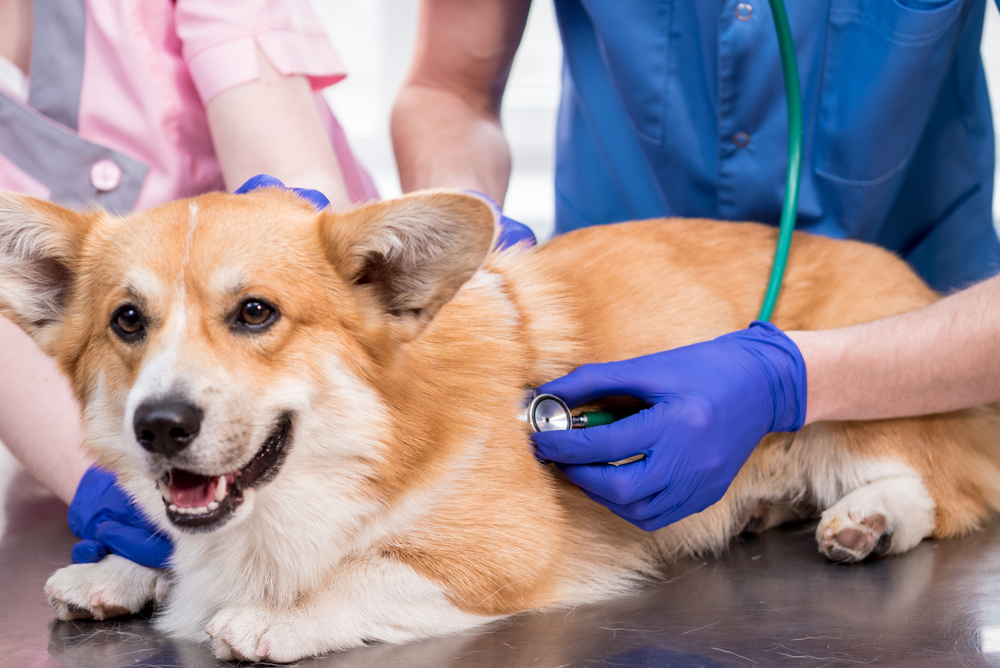
You usually learn your pet has moved into a new life stage the day a visit ends with a recommendation that did not exist last year, like a first senior blood panel or a longer gap between vaccine boosters. Age alone does not set that line. A large-breed dog reaches senior status years before a small terrier does, and cats run on their own schedule, shifting into mature adulthood around seven and into the senior range around ten. The stage your pet is in decides what matters most at each visit, from building immune protection in the first twelve months, to tracking weight, teeth, and joints through the adult years, to catching quiet internal changes before they cause symptoms at home.
At Valley Center Veterinary Clinic, an AAHA-accredited practice, we build our wellness plans around the stage your pet is actually in, with pricing you can see before you decide. The puppy and kitten plans cover the first year of exams, vaccines, deworming, flea and heartworm prevention, and spay or neuter timing. From there, adult preventive care keeps boosters, parasite control, and yearly screening on schedule, and our senior wellness packages add the blood work, urinalysis, and imaging that catch kidney, thyroid, and heart problems early. If you are not sure which stage your pet is in, book a visit online and we will walk you through the reasoning behind what comes next.
What Changes From Puppyhood to the Senior Years
- Puppies and kittens need a visit every three to four weeks until about sixteen weeks, because the protection they inherit from their mother fades on an unpredictable schedule.
- Adult care shifts from building immunity to spotting change early, and weight, teeth, and baseline blood work carry most of that job.
- Senior status depends on size and breed, so a giant-breed dog can reach it at six while many small dogs and cats get there closer to ten.
- Twice-yearly exams and a senior panel find kidney, thyroid, heart, and blood pressure problems while they’re still very manageable.
What Are the Four Life Stages of Dogs and Cats?
Veterinary care is mapped across four broad stages: puppy or kitten, young adult, mature adult, and senior. Each one carries its own visit rhythm and its own short list of priorities. Those boundaries flex with breed, size, and health history, so two dogs born the same week can sit in different stages entirely.
| Stage | Typical age | Visit rhythm | Main focus |
| Puppy or kitten | 8 weeks to 1 year | Every 3 to 4 weeks, then a spay or neuter visit | Vaccine series, parasites, growth, socialization, dental habits |
| Young adult | 1 to 3 years | Yearly | Baseline blood work, weight, lifestyle-based vaccines, first dental assessment |
| Mature adult | 3 to 7 years in dogs, 7 to 10 in cats | Yearly, twice yearly for some | Weight trends, dental disease, thyroid and organ screening |
| Senior | 7 and up for most dogs, 10 and up for cats | Twice yearly | Full senior panel, blood pressure, mobility, quality of life |
Size drives most of that variation, and health history moves the line too: a dog managing arthritis or a cat with one drifting kidney value belongs on a senior schedule no matter what the birthday says.
Why Does the First Year Need So Many Visits?
The first twelve months are front-loaded on purpose. Immune protection has to be built from nothing, inherited parasites cleared, skeletal growth tracked, and lifelong habits set while the window for them is still open. Large-breed puppies also belong on a food formulated for large-breed growth, since growing too fast on a calorie-dense diet raises the risk of orthopedic disease later. Our puppy wellness packages and kitten wellness packages keep every piece of that year on one schedule, and five jobs carry it:
- Vaccine series: Core vaccinations come in rounds spaced three to four weeks apart through about sixteen weeks, because each round catches the moment a particular puppy or kitten’s maternal antibodies have faded enough for the vaccine to take hold, and no two litters fade on the same timeline. Every one of those appointments is also a full nose-to-tail exam, which is where a heart murmur, an umbilical hernia, or a retained testicle usually first turns up.
- Parasite control: Most puppies and kittens arrive already carrying roundworms or hookworms passed through the placenta or the milk, so deworming starts at the first appointment and a fecal check confirms what we’re treating. Heartworm prevention stays on the calendar year-round, including for indoor-only cats, since a single mosquito can carry it indoors and there’s no approved treatment for heartworm disease in cats. Monthly flea, tick, and heartworm preventives then become a habit for the rest of your pet’s life.
- Spay or neuter timing: The right age for spay and neuter surgery is an individual decision rather than a universal six-month rule, since most cats and small-to-medium dogs do well on the traditional timeline while large and giant breeds often benefit from waiting until their growth plates close. Spaying early sharply lowers mammary cancer risk and essentially removes the risk of pyometra, and neutering prevents testicular tumors while reducing prostate trouble, roaming, and marking.
- Dental habits: Dental care for pets is far easier to sustain when the toothbrush shows up during puppyhood instead of arriving for the first time at age six. Begin with lifting the lip and touching the gums, then a finger brush, then an enzymatic paste made for pets, and never human toothpaste, since fluoride and xylitol aren’t safe for dogs or cats to swallow.
- Socialization: Socialization for puppies and kittens runs on a deadline, roughly three to fourteen weeks for puppies and two to nine weeks for kittens, and it closes before the vaccine series finishes. The workaround is controlled exposure: carry your puppy through new places, invite visitors home, and use a class that requires proof of vaccination. Kittens learn indoors, so feed meals inside an open carrier and handle paws and ears while it’s still a game.
What Does Adult Care Focus On?
Once growth finishes, appointments settle into a yearly rhythm, twice yearly for some, and the goal changes from building protection to noticing change. Weight, teeth, joints, and lab values carry most of that load, because the earliest version of nearly every adult problem is a number that moved rather than a symptom anyone can see at home.
What Happens During an Annual Wellness Exam?
A thorough adult exam is a systems check: body condition scored by hand, the abdomen palpated for organ size and shape, heart and lungs listened to, teeth and gums graded, joints moved through their range, and eyes and ears examined with a light. Blood work during the healthy years is the piece families skip most often, and it’s the piece that pays off later, because a normal panel today is the yardstick a slightly-off panel in five years gets measured against. Our adult dog wellness packages fold the exam, vaccines, and screening into one plan. The adult cat wellness packages do the same on a feline schedule, which matters because cats hide illness better than dogs do.
Why Is Dental Disease Worse Than It Looks?
That smell when your dog yawns is rarely just breath. Periodontal disease is one of the most common conditions in adult pets, and the part that causes pain and tooth loss sits below the gumline, in bone and ligament that no exam-room look can reach. X-rays taken under anesthesia are the only way to see that layer, and they’re built into our professional dental cleanings with full-mouth radiographs, because polishing what’s visible while missing a resorptive lesion or an abscessed root helps nobody. Small breeds, flat faces, and cats with crowded teeth often land on a yearly schedule, while a big dog whose family brushes consistently may go two or three years between cleanings.
Which Breed-Related Problems Are Worth Correcting in Adulthood?
Flat-faced dogs and cats that snore, snort, and overheat easily are usually working around brachycephalic obstructive airway syndrome, and widening the nostrils and shortening an overlong soft palate once growth is complete prevents years of secondary airway damage. Entropion is another other one worth catching early, since the eyelid rolls inward so lashes rest against the cornea, causing squinting, tearing, and eventually ulcers. Surgeries for hip dysplasia, extra skin folds, dewclaws, and dental bite misalignments might all be recommended, all with the intention of preventing a lifetime of discomfort.
How Do Lifestyle and Vaccines Fit Together?
The vaccine and parasite plan gets built around where your pet spends their time, not off a standard menu. Boarding and grooming call for Bordetella and often canine influenza, off-leash North County dogs are candidates for the rattlesnake vaccine, cats with any outdoor access need FeLV coverage, and tick products get chosen the same way. Some vaccines are bumped to an every three year schedule at this point, too.
Why Does Weight Get Checked at Every Visit?
Adult weight gain happens in ounces, which is exactly why nobody catches it at home. Two pounds a year on a 20-pound dog is a tenth of their body weight, and three years of that is a different animal on the exam table. Weight gain paired with low energy and a dull, thinning coat in a middle-aged dog often traces back to hypothyroidism in dogs, which a thyroid panel identifies and an inexpensive daily medication manages well. Extra pounds aren’t cosmetic either. They load arthritic joints, worsen breathing in flat-faced breeds, push cats toward diabetes, and shorten life.
When Does a Pet Become a Senior?
Senior status tracks body size and breed far more than birthdays. Giant breeds cross over around six, mid-size dogs closer to eight, and small dogs and cats around ten. The transition rarely announces itself, showing up instead as small changes at home that families reasonably file under getting older.
| What you notice at home | Usually chalked up to | What we check |
| Less stamina, shorter walks | “Slowing down” | Heart, lungs, joints, red cell count |
| Stiff after a nap, hesitates at stairs | “Old age” | Gait and joint exam, X-rays |
| Drinking and urinating more | “Warm weather” | Kidney values, blood sugar, urine concentration |
| Weight up or down with no diet change | “Metabolism” | Thyroid testing, organ panel, body condition |
| Restless nights, pacing, new vocalizing | “Just noisy now” | Blood pressure, pain assessment, cognitive screen |
| Bumping into furniture, cloudy eyes | “Old eyes” | Eye exam, blood pressure |
| Appetite noticeably up or down | “Picky lately” | Thyroid, dental exam, organ values |
None of that means something is wrong. It means something is worth a look, and most of what turns up on that look is very manageable when we find it early.
What Does a Senior Screening Panel Include?
Preventive testing for senior pets picks up organ changes months to years before anything looks wrong at home, which matters because dogs and cats are practiced at masking the earliest signs of illness. A senior panel bundles the tests chosen for that job:
- Complete blood count: Counts red cells, white cells, and platelets, which flags anemia, infection, and some cancers.
- Chemistry panel: Reads liver enzymes, kidney values, protein, electrolytes, and glucose in a single draw.
- SDMA: Detects kidney change earlier than the older kidney markers do.
- Thyroid testing: Catches the underactive gland common in older dogs and the overactive one common in older cats.
- Urinalysis: Shows how well the kidneys concentrate and whether protein, sugar, crystals, or infection are present.
- Blood pressure: Finds the hypertension that quietly damages eyes, kidneys, and the brain.
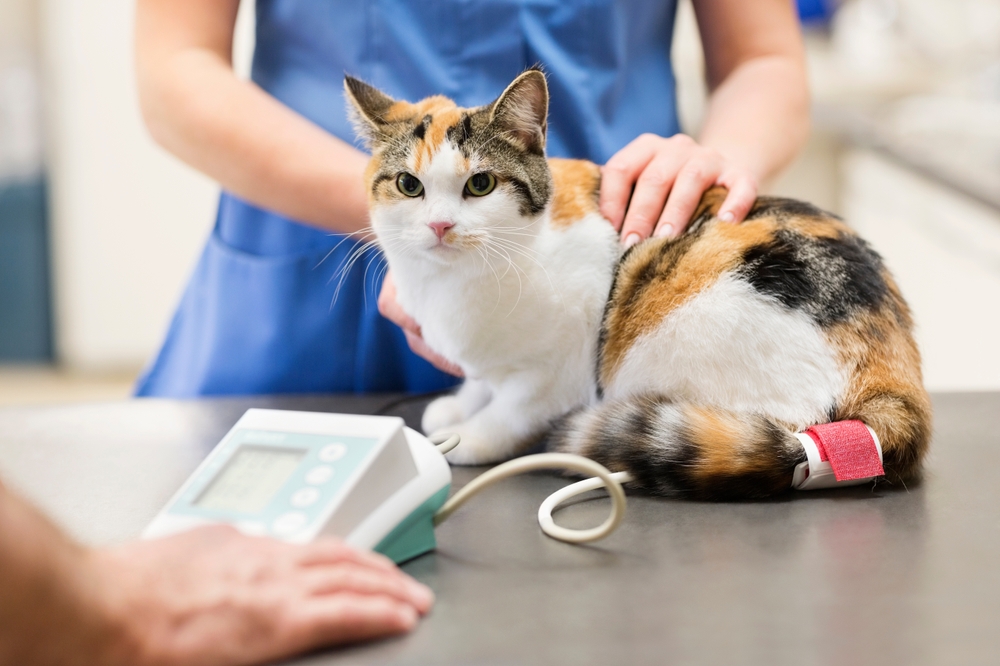
Twice-yearly exams become standard at seven and older, because six months is a long stretch in an aging body. We run those panels and add imaging when a value or a new murmur asks for a closer look, or if you have a pet that is a breed predisposed to a certain medical condition. Our senior pet wellness plans put all of it on one schedule.
Which Conditions Turn Up on Senior Screening?
Chronic kidney disease is the most common reason a senior cat starts drinking and urinating more, and much of the kidney’s working capacity is already gone by the time those signs appear, which is why an SDMA value is worth the draw. Several other diagnoses come out of the same visit:
- Endocrine: Feline hyperthyroidism shows up as weight loss with a big appetite, and diabetes in both species starts with thirst and weight change. Both are manageable once identified.
- Joints and mobility: Osteoarthritis is far more common than families expect, especially in cats, who tend to stop jumping rather than limp. Weight control, joint medication, and cold laser therapy keep a lot of stiff seniors moving comfortably. Never give a stiff dog or cat human pain relievers like ibuprofen or acetaminophen, because both are toxic to pets.
- Brain and behavior: Cognitive decline looks like nighttime pacing, staring at walls, forgotten routines, or new anxiety, and diets and medications can slow its progress.
- Eyes and pressure: Untreated hypertension can detach a retina overnight, and glaucoma raises pressure inside the globe and hurts, so sudden blindness or a red, cloudy eye is a same-day problem.
- Dental disease: Bad breath, visible tartar, and chipped teeth are inevitable in senior pets, and many show no signs at all. Families often tell us their pets act years younger once a dental cleaning is done and the source of pain and infection is gone.
How Does Breed Shape a Senior Plan?
Breed narrows down what we watch most closely. Small breeds like Cavalier King Charles Spaniels, Dachshunds, and Toy Poodles carry a high lifetime risk of mitral valve disease, and the soft murmur heard on a routine exam usually shows up years before any cough. Large and giant breeds carry more cancer risk, so new lumps and unexplained weight loss get worked up promptly rather than watched. Long-backed dogs stay on disc watch for life, since intervertebral disc disease can turn a hop off the couch into a neurologic emergency.
When Should Quality of Life Come Up?
Quality-of-life conversations belong in ordinary senior appointments, not in one hard discussion at the very end. Structured quality-of-life assessments score what families are already watching: pain, appetite, hydration, hygiene, mobility, and whether good days still outnumber hard ones. That turns an impossible question into a picture you can revisit week to week. When the time does come, we provide compassionate end of life care.
Questions We Hear About Life-Stage Care
Does an indoor cat really need all of this?
Indoor cats dodge some risks and keep plenty of others. The problems that shorten feline lives most, including dental disease, kidney failure, an overactive thyroid, and the weight gain that leads to diabetes, all develop indoors, and none of them look like much until they’re advanced. Your cat still benefits from the yearly exam, mature-adult blood work, and the twice-yearly senior schedule. The vaccine list gets shorter with an indoor lifestyle. The screening list does not.
My dog looks healthy. Is blood work worth running?
Blood work on a dog who seems perfectly fine is exactly when it’s most useful. A panel on a healthy six-year-old becomes a personal baseline, and “normal for this dog” tells us more than “inside the reference range,” which covers a lot of ground. Kidney and liver values drift slowly, so comparing this year against three years ago finds trouble a single snapshot would call fine. That baseline also helps us plan anesthesia when a dental cleaning comes up.
Which changes need a same-day visit instead of waiting?
Straining in the litter box with little or no urine, especially in a male cat, is an emergency. So are labored breathing, a swollen belly with unproductive retching, sudden weakness in the back legs, collapse, a painful cloudy eye, and refusing food for more than a day. We handle urgent care during our regular business hours, and walk-ins are welcome for emergencies when staffing allows. Outside those hours, go straight to the nearest emergency veterinary hospital.
Care That Changes as Your Pet Does
Your pet’s veterinary care was never one plan. It’s a sequence of them, and each stage builds on what the one before it established: the immunity set up in puppyhood, the baseline drawn in the healthy adult years, the quiet shift caught early in an aging body. At Valley Center Veterinary Clinic, our AAHA-accredited team would rather know your pet through all of it than meet them for the first time on a hard day. It’s why we set up wellness plans for every life stage: to make good preventive care easy to access and budget.
If you’re wondering which stage your pet is in, or what should change at the next visit, schedule your pet’s next appointment and we’ll sort it out together.



Leave A Comment