

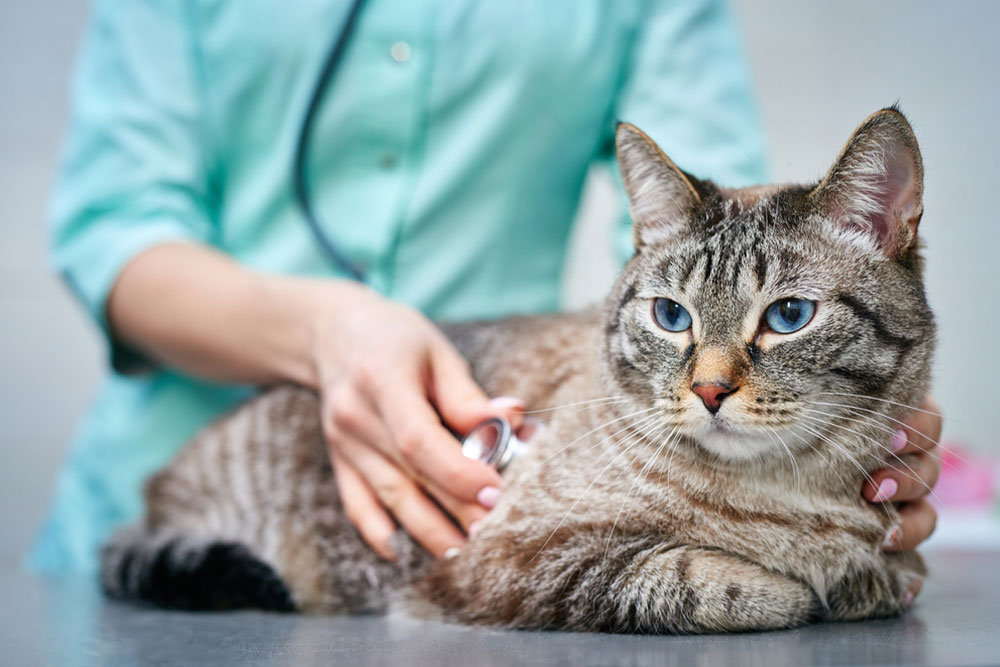
A dog or cat diagnosed with congestive heart failure can often go on to enjoy months or even years of good days, especially when the disease is caught early and managed with consistent medication and regular rechecks. The heart is no longer pumping efficiently, so fluid backs up into or around the lungs, and the whole aim of treatment is keeping that fluid under control. What you notice at home matters as much as anything that happens in the exam room. A rising resting breathing rate, new coughing in dogs, open-mouth breathing or sudden hiding in cats, tiring on short walks, and a fading appetite are all signals that the plan needs adjusting. Catching those small changes early is what keeps a manageable condition from turning into a crisis.
Deeply collaborative care is the standard we hold ourselves to at Valley Center Veterinary Clinic, and a congestive heart failure diagnosis is where that approach matters most. We track the disease with chest X-rays and in-house lab work, then take you through each finding and the reasoning behind every adjustment so you understand exactly why the plan is changing. Our upfront pricing means you will also know what each recheck will cost before you agree to it. If you have noticed early changes at home, or you want help building a monitoring routine for your dog or cat, call us and we will look at the whole picture with you.
Start Here: The Heart Failure Basics
- Congestive heart failure means the heart is struggling to pump, not that it’s stopped, and medication can pull excess fluid off the lungs so most dogs and cats breathe easier within a day or two.
- The earliest clue at home is often a rising resting breathing rate, so counting breaths while your pet sleeps is one of the most useful habits a family can build.
- Open-mouth breathing or panting in a cat, blue or pale gums, and sudden collapse are emergencies that need same-day care, not a wait-and-see night.
- With early diagnosis, consistent medication, and regular rechecks, many pets live comfortably for months to years after a heart failure diagnosis.
What Does Congestive Heart Failure Actually Mean for a Dog or Cat?
Congestive heart failure isn’t a single disease but what happens when the heart’s pumping ability declines enough that fluid backs up into the lungs or abdomen. The word failure describes a heart that’s struggling and needs support, not one that’s stopped. With the right medication, most pets stabilize quickly and return to a comfortable routine.
Once treatment begins, medication pulls off the trapped fluid and eases the load the tired muscle is working against. Many dogs and cats improve within a day or two and slide back into the naps, meals, and play they enjoyed before the diagnosis.
What Causes Congestive Heart Failure in Pets?
Congestive heart failure usually traces back to an underlying heart problem: a leaky valve, a weakened or thickened muscle, or an irregular rhythm. The earliest signs of heart disease can stay hidden for months or even years while the heart quietly compensates by working harder. Problems caught during that compensatory stage tend to have far better outcomes.
Certain pets carry breed-specific health risks for heart disease, and that inherited tendency is what makes proactive screening so valuable for predisposed pets. Pinning down which problem is at work matters, because a thickened muscle and a leaky valve call for different medications, and the right mix follows the diagnosis rather than the other way around.
Which Heart Diseases and Breeds Are Most Affected?
In dogs, the cause tends to split by size. In small-breed dogs, degenerative mitral valve disease is the most common road to heart failure, and breeds like the Cavalier King Charles Spaniel sit right at the top of that list. Bigger dogs more often develop dilated cardiomyopathy, where the muscle stretches thin and pumps weakly, and some breeds such as Boxers are prone to arrhythmias that throw off the heart’s timing.
In cats, hypertrophic cardiomyopathy is by far the most common heart disease, and Maine Coons are among the breeds most predisposed to it. Cats can also develop arrhythmias, where the beat speeds up, slows down, or skips, and all of these respond to medication.
| Condition | Most affected | What goes wrong |
| Degenerative (mitral) valve disease | Small-breed dogs, Cavalier King Charles Spaniels | A valve leaks, so blood flows backward and pressure builds |
| Dilated cardiomyopathy | Large-breed dogs | The muscle stretches and pumps weakly |
| Arrhythmias | Boxers, some cats | The electrical rhythm becomes irregular |
| Hypertrophic cardiomyopathy | Cats, especially Maine Coons | The muscle walls thicken and stiffen |
Can Pets Be Born With Heart Problems?
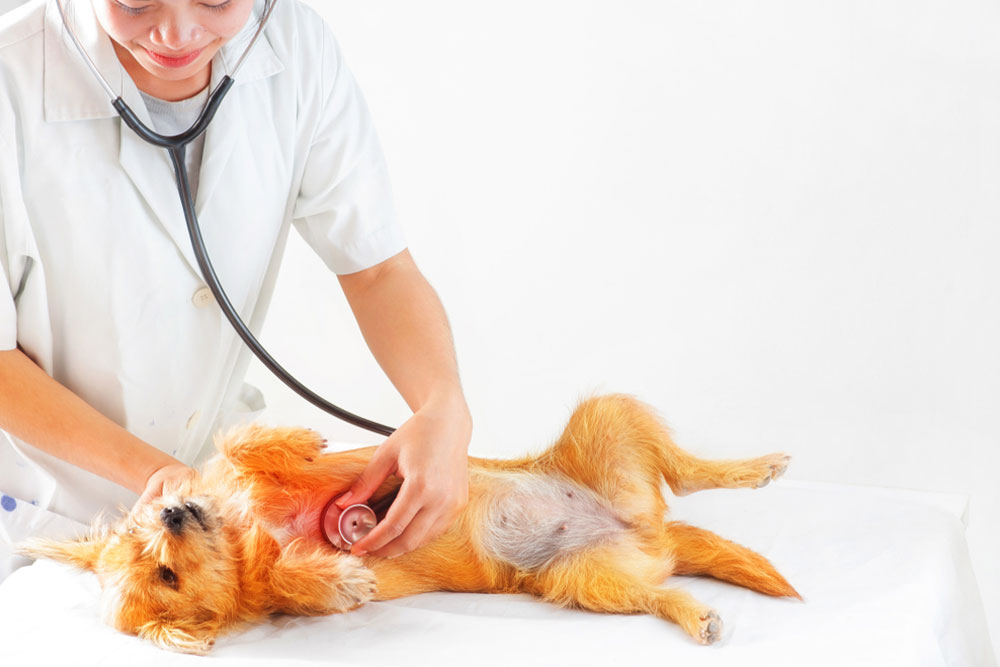
Not every heart problem shows up with age. Some pets are born with congenital heart disorders, and when these structural issues are caught early, a number of them, including a patent ductus arteriosus, can be surgically corrected before they ever progress to failure. Puppies and kittens can also arrive with a murmur from a leaky valve or with an irregular rhythm, which is one more reason those first visits always include a careful listen to the heart.
What Other Health Problems Put Strain on the Heart?
Sometimes the heart is the victim of trouble that starts somewhere else in the body. Thyroid disease, high blood pressure, and certain cancers can all overwork a heart that started out healthy, which is why a full cardiac workup includes bloodwork and a blood pressure reading, not just a stethoscope on the chest.
In older cats, hyperthyroidism speeds the heart and drives up blood pressure. Systemic hypertension forces the heart to push against constant resistance and can quietly enlarge it over time. Certain cancers add strain too. Hemangiosarcoma, for instance, can affect the heart or the sac around it and set off sudden cardiac complications.
What Are the Warning Signs of Heart Failure to Watch For at Home?
You’ll often notice something is off before any test does, because you know your pet’s normal better than anyone. The signs sort roughly by urgency, from changes worth mentioning at the next visit to emergencies that cannot wait.
| Urgency | What you might see | What it usually means |
| Early, subtle | Tiring sooner, restless sleep, an occasional new cough in dogs, more hiding in cats | Worth mentioning at your next visit |
| Progressing | Faster resting breathing, a bloated or swollen belly, a shrinking appetite | Time to call so we can adjust the plan |
| Emergency | Labored or open-mouth breathing, blue or pale gums, fainting or collapse | Same-day care, right now |
That bottom row is the one to memorize. Open-mouth breathing in a cat, blue or pale gums, and any sudden change in breathing rhythm all signal respiratory distress, which calls for same-day care, not overnight watching at home.
If you spot any of those red flags while we’re open, we handle emergency and urgent care during our regular hours, and walk-ins are welcome when staffing allows. After we close, you can use our VetTriage service for virtual advice, or head straight to the nearest emergency veterinary hospital rather than waiting for morning.
How Do Veterinarians Diagnose Heart Failure?
Diagnosing heart failure means looking at the heart from a few angles at once: its structure, its rhythm, and how the rest of the body is coping. A clear picture tells us not just that fluid is present, but why, which is what points the way to the right treatment for your individual pet.
What Tests Show What’s Happening in the Heart?
A chest X-ray is usually the first look, showing whether fluid has backed up around or into the lungs and whether the heart appears enlarged. Bloodwork rounds out that first visit. Checking how the kidneys and liver are functioning before we start heart medications helps us choose the safest drug and dose, since several cardiac medicines lean on those organs to do their job. Both happen with our in-house diagnostics, with same-day results, so treatment doesn’t sit waiting on an outside lab. That in-house capability is one of the standards reviewed in our AAHA accreditation, which fewer than 15% of practices in North America hold.
An echocardiogram uses ultrasound to show the heart’s chambers, valves, and pumping strength in real time, giving the clearest picture of what’s actually going wrong inside, and an electrocardiogram traces the electrical rhythm to catch arrhythmias a stethoscope can miss. When your pet needs that deeper cardiac imaging, we’ll walk you through the referral options and make sure the findings come back into one coordinated plan.
Why Does Early Testing Matter for At-Risk Pets?
For senior pets and predisposed breeds, screening before symptoms start is where you win time. A yearly exam with a careful heart listen, baseline bloodwork, and imaging when it’s warranted builds a reference point, so a small change stands out later. A simple blood draw for ProBNP testing can flag chemical markers of heart strain long before a pet ever shows an outward symptom.
Senior wellness screening is how we catch these shifts early, and we’ll talk through which checks make sense for your pet’s age and breed rather than running everything at once. Our gold-level senior wellness plans include chest X-rays and bloodwork with thyroid levels, making proactive care more affordable.
What Happens After a CHF Diagnosis?
The first job after a diagnosis is simple: help your pet breathe easier and feel comfortable again. Once the immediate fluid is under control, care settles into long-term management, a routine of the right medications, regular rechecks, and watching for changes at home. Most families find the rhythm easier than they feared.
How Do We Stabilize a Pet Who’s Struggling to Breathe?
When a pet arrives in a crisis, or is diagnosed while already in trouble, stabilizing comes before anything else. The first treatment for CHF focuses on clearing excess fluid and easing the work of breathing, and most pets respond within hours to a few days. We keep handling gentle and low-key, because stress alone makes each breath harder, especially for cats.
When a pet needs oxygen support, a cardiologist, or overnight critical care, we help you get to the right place. For the uneasy nights in between, after-hours virtual vet consultations can help you decide whether something can wait until morning or needs a trip right now.
What Does Long-Term Medication Involve?
Long-term control usually rests on a few classes of medication working together. Diuretics like furosemide pull retained fluid off the lungs. A heart-support medication such as pimobendan helps the muscle contract more effectively and lightens its load. Some pets also take a blood pressure medication to lower the resistance the heart pushes against.
Finding the right combination takes a little fine-tuning, and doses often shift at the first few rechecks as we watch how your pet responds. Once the mix settles, though, many pets do remarkably well for many months or even years.
What Can I Do at Home to Keep Track?
Home is where heart failure is really managed between visits, and a few simple habits make you our most valuable teammate.
- Track resting breaths: Count breaths for 30 seconds while your dog or cat sleeps and double it. A calm baseline usually sits under about 30 per minute, and a steady climb is often the very first clue that fluid is building again.
- Watch appetite and energy: A fading interest in food or new reluctance to move often shows up before anything dramatic does.
- Give medications on schedule: Steady dosing keeps fluid in check. If you miss a dose or your pet brings one back up, let us know rather than doubling the next one.
- Check the gums: Healthy gums are pink; pale, gray, or bluish gums mean call right away.
- Adjust diet and activity: A lower-sodium diet often helps, and gentle movement is fine. Let your pet set the pace and rest whenever they want to.
Frequently Asked Questions About Heart Failure in Dogs and Cats
Is a heart murmur the same as heart failure?
A heart murmur and heart failure aren’t the same thing. A murmur is simply the sound of turbulent blood flow, often from a valve that doesn’t close cleanly, and many pets live for years with a murmur and never develop failure. Failure is a later stage, when the heart can no longer keep fluid from backing up. Finding a murmur early just tells us to keep a closer watch on the heart.
Can diet or supplements help a dog or cat with heart disease?
Diet plays a real supporting role in heart care. A lower-sodium diet helps the body hold less fluid, which eases the heart’s job, and keeping a pet at a lean, healthy weight lowers the workload too. Some conditions, like taurine-related cardiomyopathy in certain cats and dogs, respond to targeted nutritional support. Before adding any supplement, though, check with us first, since a few can interfere with cardiac medications.
Does congestive heart failure cause pain?
Heart failure itself isn’t generally thought to be painful, but the breathlessness that comes with fluid on the lungs is stressful and frightening for a pet, which is why easing breathing is always our first goal. A comfortable dog or cat rests quietly, breathes easily, and stays interested in food and family. When those things start to slip, it’s a signal to call so we can adjust the plan.
Partnering for Your Pet’s Heart Health
A congestive heart failure diagnosis sounds frightening, but it’s one of the more manageable chronic conditions we treat when it’s caught early and handled together. Your part is watching for the small changes, giving medications on time, and telling us what you see. Our part is finding the right plan, adjusting it as the disease shifts, and answering your questions along the way. If you’ve noticed a cough, faster breathing, or less pep in your dog or cat, or you simply want a baseline before anything starts, request an appointment at Valley Center Veterinary Clinic and we’ll take a careful look at your pet’s heart together.





Leave A Comment