

Bringing home a new puppy or kitten comes with plenty of excitement, and a few things most pet owners do not see right away. Many young pets are born with intestinal parasites or pick them up early on through their mother’s milk or from their surroundings. Common parasites like roundworms and hookworms are especially frequent, but others like giardia, coccidia, whipworms, and tapeworms can also affect young animals. The tricky part is that these infections often do not cause obvious symptoms at first, which means your pet can seem perfectly healthy while parasites are quietly developing.
That is why early veterinary care focuses on prevention instead of waiting for visible problems. A consistent deworming schedule and routine fecal testing are key parts of keeping your new pet on track from the very beginning.
At Valley Center Veterinary Clinic, our AAHA-accredited team builds parasite prevention into every puppy wellness and kitten wellness visit. Our wellness packages are designed to make things easier for you, combining fecal and giardia testing, deworming treatments, and ongoing prevention into your pet’s first appointments. This approach helps ensure nothing is missed during these important early months. Request an appointment or reach out to our team at 442-207-4720 to get started with a simple, reliable parasite prevention plan.
Why Waiting for Visible Signs Is the Wrong Approach
Intestinal parasites in young pets frequently cause no obvious symptoms until the burden is already substantial. Your puppy or kitten can carry a significant roundworm infection while appearing outwardly normal. By the time visible signs develop, the parasites have had weeks to draw nutrients away from a body that needs every calorie for growth.
The consequences of untreated heavy parasite loads in young animals are real: stunted growth, poor coat development, compromised immune function, and in severe cases, intestinal obstruction or profound anemia. Treating proactively rather than reactively is the standard of care for a reason.
What Parasites Do to Young Pets
Puppies and kittens are particularly vulnerable because their immune systems are still maturing and their energy reserves are small. Every nutrient a parasite takes is one less available for bone growth, organ development, and immune maturation.
Roundworms are the most common finding and can be present from birth, transmitted from mother to offspring before birth or through nursing milk. Roundworm eggs survive in soil for years, making reinfection from the outdoor environment a persistent risk. Roundworms and hookworms are also both transmissible to people, making treatment important for the whole household.
Hookworms attach to the intestinal lining and feed on blood. In young animals, a significant hookworm burden can cause life-threatening anemia. Diarrhea from both is a common presentation, though many infections are silent initially.
Whipworms are primarily a dog concern and cause chronic, intermittent digestive upset. Their eggs shed inconsistently, which is why a single fecal test can miss an active infection. Multiple tests improve detection.
Tapeworms in dogs and cats are typically transmitted through flea life cycles, with pets becoming infected by swallowing a flea during grooming. Cats tend to get tapeworms more frequently because they groom so frequently compared to dogs. Valley Center’s climate supports year-round flea activity, making consistent flea prevention directly relevant to tapeworm risk.
Coccidia and giardia are single-celled organisms, not worms, and standard dewormers do not treat them. They require specialized fecal testing to identify and specific medications to treat. Both cause watery diarrhea, dehydration, and poor weight gain, and both are common in shelter, rescue, and multi-pet household settings.
Why Fecal Testing Is Not Optional
No single dewormer treats every parasite type. Standard dewormers address common worms but do not cover coccidia, giardia, or tapeworms. And fecal testing that returns negative does not guarantee the absence of all parasites: some organisms shed eggs inconsistently, meaning a single test at an unlucky time can miss an active infection.
This is why our AAHA-accredited approach includes fecal testing- including giardia- at the first wellness visit regardless of whether your puppy or kitten appears well.
Fecal testing is particularly important when:
- Your pet came from a shelter, rescue, or foster environment
- Multiple pets share a household and one has a confirmed infection
- Your pet has any digestive symptoms regardless of apparent cause
At your first visit, we’ll get your new pet set up with the right testing and treatment for current parasites and prevention against future infections all in one stop.
What Happens at Your Pet’s First Visit
Your first puppy wellness or kitten wellness visit is designed to get parasite protection in place from day one, not spread across multiple appointments. At that first visit, your pet will receive:
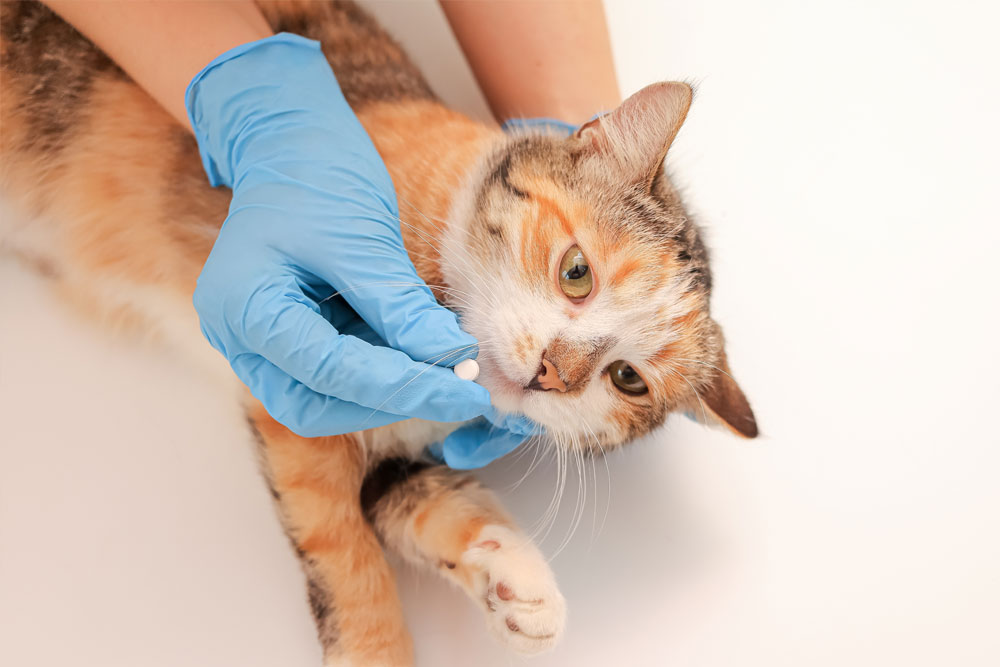
- A comprehensive fecal test with giardia screening: fecal flotation identifies the eggs of common intestinal worms, and a separate giardia antigen test catches infections that standard flotation frequently misses
- A broad-spectrum dewormer: given during the visit to eliminate any adult roundworms and hookworms already present, with the results of the fecal test guiding any additional follow-up treatment
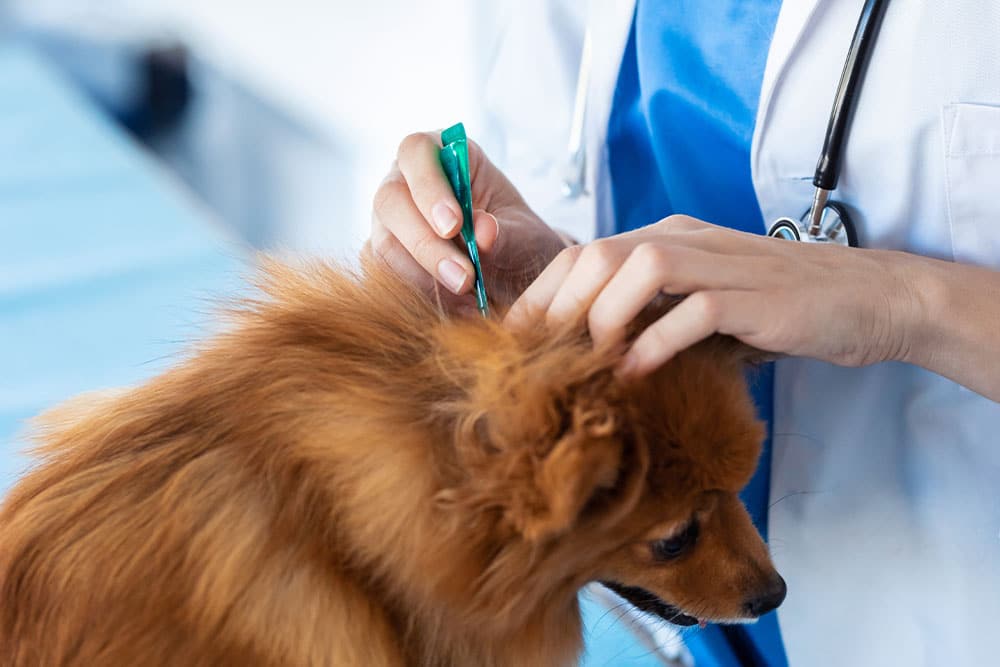
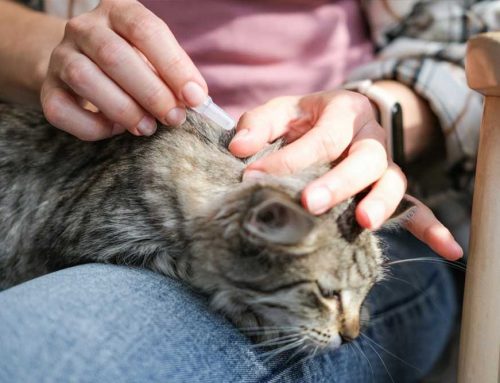
- The first dose of NexGard: puppies receive NexGard PLUS, which covers fleas, ticks, heartworm, roundworms, and hookworms in a single monthly chew, and kittens receive NexGard COMBO, a topical that protects against fleas, ticks, heartworm, roundworms, hookworms, and tapeworms
Bundling these into one visit matters because each piece addresses a different part of the parasite picture. The dewormer handles worms that are already inside your pet. The fecal and giardia tests look for what the dewormer does not cover. And NexGard starts the ongoing monthly protection that prevents new infections between visits. Skip one of those pieces and the plan has a gap.
If your pet has a positive fecal test, we may recommend additional deworming doses or medications and a follow-up fecal test to ensure that all parasites have been cleared. Some parasites, like giardia, can be especially hard to get rid of. We’ll talk you through it.
We will also walk you through how to give or apply the first NexGard dose at home, when to expect the next one, and what to watch for in the meantime. First-time puppy and kitten families often have a hundred small questions, and we would rather answer all of them in one unhurried visit than have you leave unsure.
Year-Round Prevention After the Initial Series
Once the initial deworming series is complete, the goal shifts to preventing reinfection. Year-round parasite prevention is the current standard of care from all major veterinary organizations.
Heartworm prevention is essential in Southern California year-round. Regional parasite prevalence data confirms that heartworm-positive cases are present in San Diego County every month of the year. Prevention must be continuous to be effective, since monthly products work by eliminating parasites picked up during the prior month. Missing even a single month creates a gap where infection can take hold.
Our pharmacy carries comprehensive options for dog flea and tick and dog heartworm prevention, along with cat flea and tick and cat heartworm products. The NexGard we provide at the first visit is a great product to stay on long-term, but there are other fine options too. We’re happy to talk through our recommendations with you.
How Lifestyle Affects Parasite Risk
Prevention and testing frequency should reflect how your individual pet actually lives. Higher-risk settings include:
- Regular outdoor access in areas with wildlife or other animals
- Visits to dog parks, boarding facilities, or daycare
- Multi-animal households
- Pets who hunt or have access to livestock areas in Valley Center’s rural foothills
Lower-risk settings include true indoor-only cats with no exposure to other animals. Even for these cats, exposure can occur from fleas that enter on your clothing from a walk through the yard, dirt from soil tracked in on your shoes, or houseplant soil.
Protecting the Whole Household
Several common pet parasites are zoonotic, meaning they can infect people. Roundworms and hookworms in particular can cause serious human illness, and children who play in soil are especially vulnerable. Practical household steps:
- Remove pet feces promptly and seal before disposal
- Wash hands after handling pets, particularly before meals
- Prevent children from putting soil or outdoor objects near their mouths
- Treat all pets in a multi-pet household when any one animal has a confirmed infection
- Avoid walking barefoot in areas that pets have defecated
- Don’t let puppies lick your face or mouth
Take particular care if you are pregnant or have immunocompromised family members.
Frequently Asked Questions
How do I know if my puppy or kitten has worms?
Many infections produce no visible signs. When signs do appear, they can include a round or bloated belly, loose or irregular stool, poor coat quality, weight loss despite eating well, or visible worms or segments in the stool. The absence of symptoms does not mean the absence of parasites.
Can I use over-the-counter dewormers?
Over-the-counter products address only a limited range of parasites. Prescription options through your veterinarian provide broader spectrum coverage and are dosed accurately to your pet’s weight. Starting with a veterinary fecal test identifies exactly what your pet has and guides treatment selection.
Do indoor pets need prevention?
Even primarily indoor pets can be exposed through tracked-in soil, other animals in the household, or occasional outdoor access. Year-round prevention is universally recommended.
Building the Right Plan from the Start
Early deworming, regular fecal testing, and consistent monthly prevention form the complete parasite management foundation for any puppy or kitten. At Valley Center Veterinary Clinic, we build those three elements into every early-life wellness plan rather than treating them as optional add-ons.
Request an appointment for your new puppy or kitten’s first wellness visit. Our team will tailor the deworming schedule, testing plan, and prevention protocol to your pet’s specific background and lifestyle.



Leave A Comment