

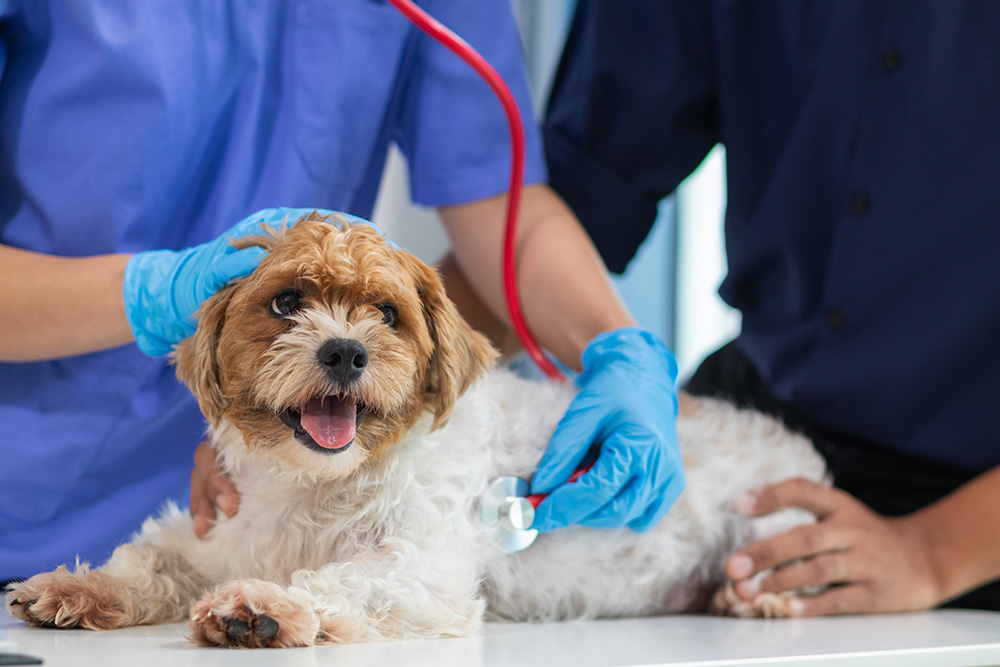
A diagnosis of heart disease in your dog or cat comes with a lot of information delivered in a short window of time, and it’s easy to leave the appointment nodding along while internally processing terms that are still blurry. Pimobendan. Furosemide. Enalapril. Benazepril. These medications are genuinely life-extending for many pets with cardiac conditions, but understanding what each one does, why they’re used in combination, and what changes to watch for at home makes you a much more effective partner in your pet’s care.
Valley Center Veterinary Clinic takes a collaborative, transparent approach to medicine, and cardiac cases are no exception. We walk clients through the clinical reasoning behind every prescription so nothing feels like a mystery. Our diagnostics include the imaging and lab tools needed to stage cardiac disease accurately and guide medication decisions. Request an appointment or contact us to discuss your pet’s heart health or to get a second look at a recent diagnosis.
Types of Heart Disease in Dogs and Cats
The specific diagnosis shapes the entire treatment plan. Your dog with mitral valve disease is treated differently from one with dilated cardiomyopathy, and both are treated very differently from your cat with hypertrophic cardiomyopathy. Understanding which condition is involved guides medication choices, monitoring strategies, and prognosis conversations.
Both species can also have congenital heart disorders (problems present from birth), though most pets we treat for cardiac disease developed it later in life.
Common Heart Conditions in Dogs
| Condition | What’s Happening | Breeds at Higher Risk |
|---|---|---|
Mitral valve disease |
Mitral valve gradually thickens and leaks, allowing backward blood flow | Cavalier King Charles Spaniels, Chihuahuas, Dachshunds, Miniature Poodles, small breed mixes |
Dilated cardiomyopathy (DCM) |
Heart muscle enlarges and weakens; also documented as diet-related in some grain-free diets | Doberman Pinschers, Boxers, Great Danes, Newfoundlands, Irish Wolfhounds, Cocker Spaniels |
Arrhythmias |
Atrial fibrillation, ventricular arrhythmias, or conduction disturbances | Varies by type; Boxers, Bulldogs common |
Sick sinus syndrome |
Affects the heart’s natural pacemaker, causing alternating slow and fast rates | Miniature Schnauzers, West Highland White Terriers |
Common Heart Conditions in Cats
Cats are particularly skilled at hiding cardiac symptoms until disease is quite advanced, which makes regular screening and attention to subtle changes especially important. The conditions we see most often:
- Hypertrophic cardiomyopathy (HCM): the most common feline cardiac condition. The heart muscle thickens abnormally, reducing chamber size and impairing filling. Maine Coons, Ragdolls, and Persians have known genetic predispositions, but any cat can develop HCM.
- Dilated cardiomyopathy: occurs in cats who don’t eat a balanced diet with taurine
- Restrictive cardiomyopathy: stiffening of the heart muscle that impairs filling
- Arrhythmias: can occur as primary conditions or secondary to other heart disease
How Do You Recognize Cardiac Symptoms at Home?
Knowing what to watch for helps you catch changes early and respond appropriately to urgent situations.
Early Warning Signs in Dogs and Cats
The early heart disease signs are often subtle and easy to attribute to aging or weather changes.
In dogs, watch for:
- A persistent cough, particularly at night or after exercise
- Reduced exercise tolerance or unwillingness to walk as far as before
- Increased breathing effort during sleep
- Restlessness at night
- Decreased appetite
- Weight loss
In cats, signs are even subtler:
- Reduced activity (often interpreted as “slowing down with age”)
- Hiding more than usual
- Decreased appetite
- Panting (always abnormal in your cat at rest)
- Sudden onset of weakness in the back legs (which can indicate a thromboembolism, a serious cardiac complication)
Any of these warrant evaluation, particularly in older or predisposed pets.
Urgent Signs That Need Immediate Care
Some signs require emergency evaluation rather than scheduling a regular appointment:
- Respiratory distress (labored breathing, increased effort, abdominal effort with each breath)
- Resting respiratory rate above 40 breaths per minute when calmly sleeping
- Open-mouth breathing in a cat (always abnormal and concerning)
- Pale or blue gums indicating insufficient oxygen
- Collapse or sudden weakness
- Sudden onset of paralysis or severe lameness in your cat’s back legs
These warrant immediate evaluation through our emergency services or VetTriage after-hours for guidance on whether emergency care is needed.
Why Does Early Detection Change the Outlook for Heart Disease?
Heart disease caught early and managed proactively produces dramatically better outcomes than disease identified only after symptoms appear. The pets who do best are typically those whose conditions were identified during routine wellness visits, often before any clinical signs developed.
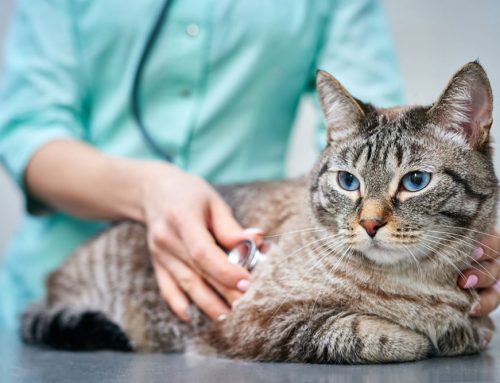
Routine examinations include cardiac auscultation (listening for murmurs and abnormal rhythms), and incidentally discovered murmurs lead to earlier diagnostic workup. Preventive testing for senior pets often includes cardiac biomarkers and screening that catch developing disease.
ProBNP testing is a blood test that measures a protein released when the heart is stressed. It can identify cardiac strain before clinical signs develop and helps distinguish heart disease from respiratory disease in pets with cough or breathing changes.
Our senior pet wellness visits incorporate cardiac screening as a routine part of annual care for older pets, and our adult dog wellness and adult cat wellness visits include thorough cardiac auscultation as part of every physical exam.
How Are Cardiac Medications Chosen?
Treatment decisions are based on diagnostic findings rather than just the presence of a murmur. Many pets have heart murmurs that don’t require treatment right away, and starting medications without knowing what’s actually happening can be ineffective or even harmful.
The diagnostic tools that guide prescribing:
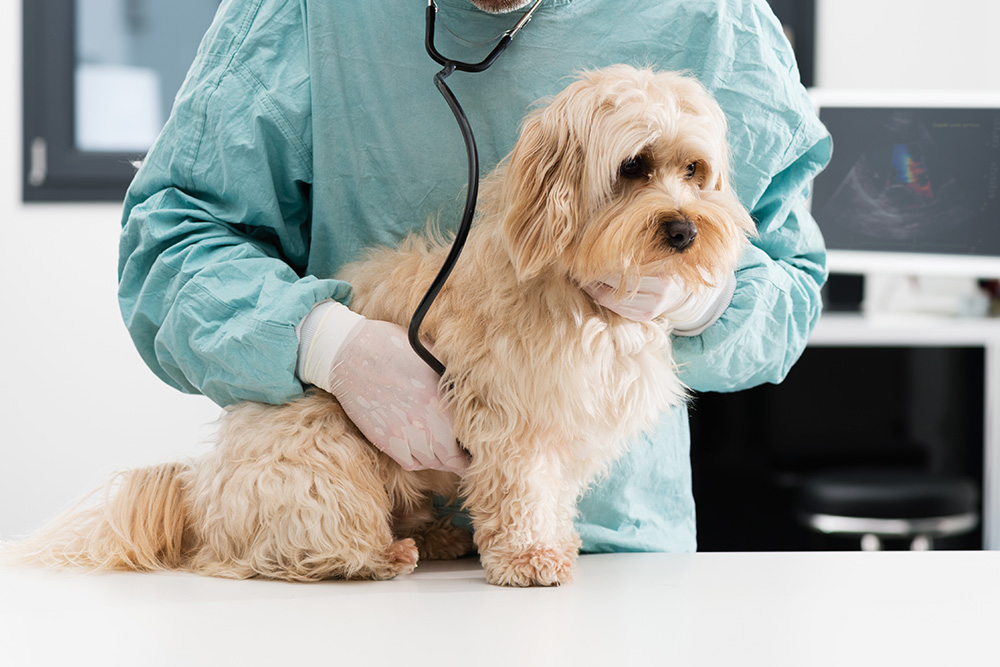
- Echocardiography: the gold standard. An echocardiogram (heart ultrasound) shows the structure and function of the heart in real time, identifies which valves are leaking, measures chamber sizes, evaluates contractility, and determines disease severity. Most cardiac medication decisions require echocardiography for accurate prescribing.
- Electrocardiography: an electrocardiogram records the electrical activity of the heart and identifies arrhythmias
- Chest radiographs: assess heart size, evaluate for fluid accumulation in the lungs, and look for other thoracic abnormalities
- Holter monitoring: a portable ECG worn for 24 to 48 hours to capture intermittent arrhythmias missed during a brief in-clinic ECG
Why Are Multiple Cardiac Medications Often Used Together?
Heart failure isn’t a single problem. It involves multiple simultaneous issues: reduced contractility, fluid retention, neurohormonal activation, and various secondary effects. Heart disease medications work through different mechanisms, and combining them addresses the multiple problems more effectively than any single drug.
Treatment plans aren’t static. As disease progresses, medications are added, doses are adjusted, and combinations are refined based on how your pet responds. This is why regular rechecks matter and why “feeling fine” isn’t a reason to skip them; the goal is to stay ahead of changes rather than react to crises.
Pimobendan
Pimobendan is the cornerstone of treatment for most dogs with cardiac disease and increasingly important for cats with certain conditions. It works through two distinct mechanisms: increasing the heart’s contractile strength and dilating blood vessels. The result is improved cardiac output with less work for the heart muscle.
The pimobendan study (the EPIC trial) was a major advancement in canine cardiology. It showed that starting pimobendan in dogs with preclinical mitral valve disease (heart enlargement on echocardiogram but no clinical signs yet) significantly delayed onset of congestive heart failure and extended survival. This changed the recommendation: dogs with appropriately staged mitral valve disease benefit from starting pimobendan before they’re symptomatic.
For dogs already in heart failure, pimobendan reduces symptoms, improves exercise tolerance, and extends survival when used alongside diuretics and other cardiac medications.
Most dogs tolerate pimobendan very well. Side effects are uncommon and typically mild when they occur.
Diuretics: Furosemide and Spironolactone
Diuretics remove excess fluid from the body, which is the primary problem in congestive heart failure when fluid accumulates in the lungs (pulmonary edema) or abdomen (ascites).
Furosemide is the most commonly used diuretic in cardiac patients. It works rapidly and is highly effective at reducing fluid accumulation. When pets start furosemide, you should expect significantly increased urination as the medication does its job. Increased water intake follows naturally; access to fresh water at all times becomes essential. Furosemide doses are titrated based on response, with the minimum effective dose that controls symptoms without producing dehydration as the goal.
Spironolactone is a different type of diuretic that complements furosemide. It blocks the effects of aldosterone, a hormone activated in heart failure that contributes to fluid retention and harmful cardiac remodeling. Spironolactone alone is not a strong diuretic, but combined with furosemide it provides better long-term outcomes than furosemide alone.
Diuretics affect kidney function and electrolytes. Regular monitoring through bloodwork tracks creatinine, BUN, and potassium levels. Our diagnostics include in-house lab work that allows us to monitor pets on diuretics with results available the same visit.
ACE Inhibitors
ACE inhibitors (angiotensin-converting enzyme inhibitors) include enalapril, benazepril, and lisinopril. They work by blocking a hormonal cascade that, when overactive in heart disease, contributes to harmful changes in the heart and blood vessels.
The benefits include:
- Reducing the heart’s workload
- Slowing harmful cardiac remodeling
- Helping manage systemic hypertension when it’s present alongside cardiac disease (common in cats with HCM)
ACE inhibitors are typically combined with other cardiac medications. They take time to produce maximum benefit, and stopping them suddenly can cause harmful rebound effects.
Beta-Blockers
Beta-blockers (atenolol, propranolol, others) slow heart rate, reduce force of contraction, and stabilize cardiac rhythm. They’re not used in every cardiac patient; they’re specifically chosen for situations where reducing heart rate or controlling certain arrhythmias provides clinical benefit.
In cats, beta-blockers are sometimes used in HCM with significant outflow obstruction, where the thickened heart muscle obstructs blood flow during contraction. Slowing the heart and reducing contraction force can improve blood flow paradoxically.
In dogs, beta-blockers are used for specific arrhythmias and selected cases of cardiomyopathy.
Careful dosing matters. Starting too high or stopping abruptly can cause problems. Beta-blockers should never be discontinued without veterinary guidance.
How Do You Monitor and Manage Your Pet’s Heart Disease at Home?
Several at-home practices help track your pet’s condition between appointments.
Tracking Resting Respiratory Rate
Resting respiratory rate is one of the most useful at-home metrics for cardiac patients. It’s measured when your pet is sleeping or fully relaxed, not panting from heat or excitement. Count the breaths in 30 seconds and multiply by 2.
| Breaths Per Minute | What It Means | What to Do |
|---|---|---|
| Under 30 | Normal range for most cardiac patients | Continue current monitoring |
| 30 to 40 | Watch closely | Take multiple measurements over a few hours |
| Over 40 while resting | Concerning | Same-day call to us |
| Over 50 or significant rise from baseline | Emergency | Seek immediate evaluation |
A simple notebook record (date and resting respiratory rate, ideally same time each day) creates a useful trend that helps us identify changes earlier than waiting for symptoms.
Other At-Home Monitoring Habits
- Weekly weigh-ins catch fluid retention or weight loss before it becomes dramatic. Sudden weight gain often reflects fluid retention; gradual loss can indicate cardiac cachexia (muscle wasting that occurs in advanced heart disease).
- Appetite and energy tracking through informal observation. Notable changes warrant a check-in.
- Cough frequency in dogs with cardiac disease provides useful information. Increased cough frequency, particularly nocturnal cough, often signals progression.
Giving Medications Consistently
Cardiac medications work best when given consistently at the prescribed times. Tips that help:
- If a dose is missed and you remember within a few hours, give it as soon as you remember
- If it’s nearly time for the next dose, skip the missed dose
- Don’t double-dose to make up for a missed one
For pets who resist taking pills, several options exist: pill pockets and other treat-based methods, compounded liquid or flavored chewable formulations available for many cardiac drugs, and crushed tablets mixed into a small amount of food (check with us first; not all medications can be safely crushed).
Reach out to our team if administration becomes a struggle. There are usually alternatives we can explore rather than forcing you to fight your pet over medications.
How Does Heart Disease Progress Over Time in Dogs and Cats?
Heart disease is generally progressive, but progression rates vary enormously between conditions and individual patients. The general pattern moves through these stages:
- Preclinical stage: disease is present but no clinical signs are evident. Pets in this stage may be on medication but otherwise live normally.
- Early symptomatic stage: mild signs appear, including reduced exercise tolerance, occasional cough, or subtle behavioral changes. Medication needs typically increase.
- Established congestive heart failure: fluid accumulates because the heart can’t keep up with circulation demands. Diuretics typically become essential. With appropriate management, pets in heart failure can live well for extended periods.
- Advanced or refractory failure: symptoms become more difficult to control even with maximal medication.
This isn’t a fixed timeline. Some pets remain in earlier stages for years; others progress more quickly. Our end-of-life services provide compassionate support when the time comes for those decisions, but most cardiac patients have many good months or years of well-managed disease before that point.
Frequently Asked Questions About Cardiac Medications
Will my pet need medications for the rest of their life?
In most cases, yes. Cardiac disease is managed rather than cured. The exceptions include some congenital conditions correctable through surgery.
What if my pet seems to be doing great? Can we reduce medications?
Possibly, but only with veterinary guidance. Apparent stability often reflects the medications working. Discuss any changes with us before making them.
How often does my pet need rechecks?
Initially, rechecks are typically every 1 to 3 months. Once stable, rechecks may extend to every 3 to 6 months.
What should I do if I miss a dose?
Generally: give the missed dose if it’s been less than half the time until the next dose; skip it if more time has passed. Don’t double-dose.
Are heart medications expensive?
Costs vary considerably. Many cardiac medications are relatively inexpensive generic drugs; others are more costly. We can discuss the most cost-effective combinations for your pet’s specific condition.
Cardiac Care as a Long-Term Partnership
Home monitoring and regular veterinary rechecks work together to keep the treatment plan effective. The pets who do best on cardiac medications are those whose families stay attentive at home, catch changes early, and maintain consistent communication with us. Request an appointment at Valley Center Veterinary Clinic for a cardiac evaluation, medication review, or recheck. Our team is here to support you through every phase of cardiac care.



Leave A Comment