

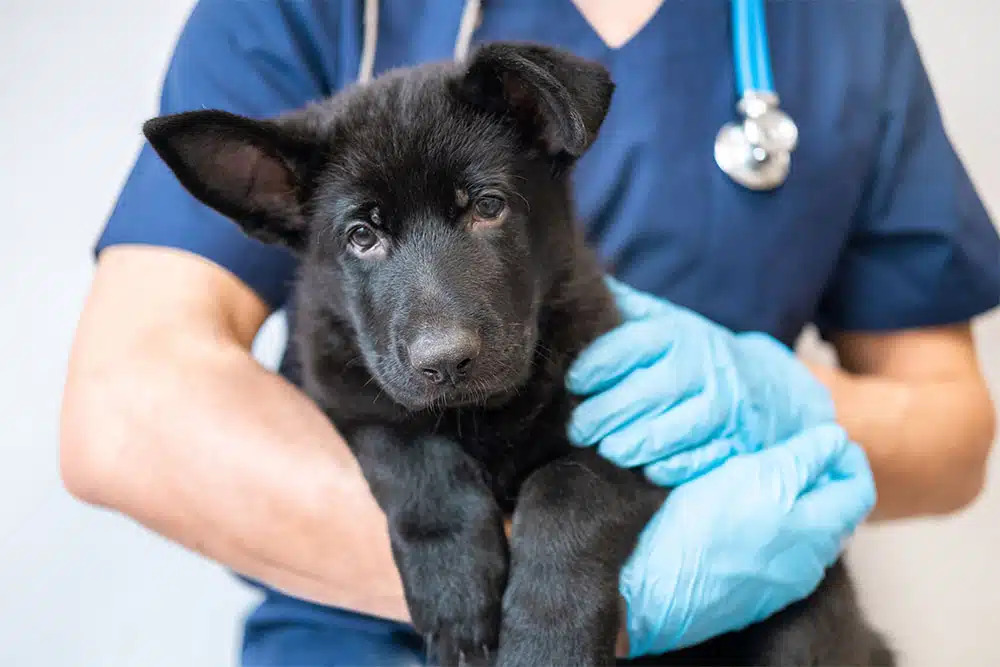
Your dog has been off all morning. Or your cat has stopped eating, and you cannot quite tell whether she is just being a cat or whether something is genuinely wrong. There is a moment that comes with every sick pet where you have to decide: do we wait and see, or do we call right now? The instinct to wait is understandable, but pets are remarkably good at hiding illness, and visible symptoms often mean a problem has been quietly building for a while.
This guide walks through which symptoms warrant a same-day call, which mean an emergency right now, and which can reasonably be monitored at home. The general rule worth holding onto: when in doubt, calling us is always the right move. We would rather hear from you about something that turns out to be nothing than have you wait at home with something serious. At Valley Center Veterinary Clinic, we are an AAHA-accredited handling most urgent and emergency presentations in-house, with critical cases transferred to a nearby specialty hospital when needed. Walk-ins for emergencies are always welcome when staffing allows. Call us at 442-207-4720 if you are unsure whether your pet needs to be seen.
Knowing Your Pet’s Normal Baseline
The most useful thing you can do for your pet’s health is know what normal looks like for them. The small changes (slightly reduced appetite, lower energy, sleeping in unusual spots, less interest in greeting you) are the early signals worth catching.
Watch for shifts in:
- Appetite and thirst: eating less, eating more, drinking more than usual
- Energy and engagement: sleeping more, less interested in walks, withdrawn
- Posture and movement: hunched back, reluctance to lie down, stiffness when getting up
- Bathroom habits: straining, frequency changes, accidents in a previously trained pet
- Social behavior: hiding, irritability, uncharacteristic clinginess
Animals instinctively mask pain, so visible symptoms often represent something that has been brewing for days.
Using Gum Color as a Quick Home Assessment
Gum color is one of the fastest home checks you can do. Healthy gums are pink and moist; pressed gently, color returns within two seconds.
| Gum color | What it may suggest |
| Healthy pink | Normal |
| Pale or white | Anemia, shock, blood loss; emergency |
| Bright “brick” red | Heat stroke, sepsis; emergency |
| Blue or grey | Lack of oxygen; immediate emergency |
| Yellow | Liver disease or red cell breakdown; same-day call |
| Tacky or dry | Dehydration; same-day call, especially with other symptoms |
Breathing Difficulty Is Always an Emergency
Respiratory emergencies escalate within minutes. Signs:
- Labored or rapid breathing at rest
- Extended neck and elbows-out posture
- Open-mouth breathing in cats (always abnormal)
- Loud, raspy, or wheezy sounds
- Pale, blue, or grey gums alongside breathing changes
A practical home tip: count breaths while your pet is sleeping. A normal resting respiratory rate for a sleeping dog or cat is under 30 breaths per minute. Anything consistently higher warrants a call.
Anaphylactic reactions can produce sudden respiratory distress within minutes of a trigger. Sudden facial swelling, hives, vomiting, weakness, and breathing changes happening together is anaphylaxis until proven otherwise.
Vomiting, Diarrhea, and Appetite Loss
A single episode in an otherwise normal pet is usually not an emergency. The picture changes when:
- Vomiting or diarrhea contains blood (bright red or coffee-ground)
- Symptoms repeat over several hours
- Lethargy or weakness appears alongside
- The pet cannot keep water down for 12 hours
- The pet is a puppy or kitten (they dehydrate dangerously fast)
- Abdominal distension or visible pain is present
Conditions That Cause Vomiting or Diarrhea
- Parvovirus: highly contagious in unvaccinated puppies; bloody diarrhea, vomiting, rapid dehydration
- Pancreatitis: painful pancreas inflammation; pets often hunch and refuse to eat
- Gastrointestinal foreign body: persistent vomiting that does not respond to treatment
- Gastric dilatation-volvulus (GDV or “bloat”): swollen abdomen, unproductive retching, restlessness in deep-chested breeds. Call us while heading in; minutes matter
Our diagnostics include in-house bloodwork, parvo testing, x-rays, and ultrasound, so we can identify these conditions and start treatment on the same visit.
Collapse, Sudden Weakness, and Loss of Coordination
Sudden Collapse in Dogs and Cats
Collapse always warrants same-day evaluation, even when the pet recovers quickly. Possible causes:
- Hypoglycemia: low blood sugar in toy breeds, puppies, diabetics on insulin. If conscious and able to swallow, rub corn syrup or honey on the gums on the way in
- Heart disease: arrhythmias and structural disease cause sudden weakness
- Anemia: dropping red cell counts produce weakness, pale gums
- Exercise-induced collapse: genetic, most common in Labradors
- Heat stroke: Valley Center’s hot inland summers create real risk
- Hemangiosarcoma: internal bleeding from a ruptured splenic mass
Circling, Head Tilt, and Balance Problems
Sudden circling, head tilt, falling, or rapid eye movements often indicate vestibular disease, which often resolves on its own. The complication is overlap with inner ear infections, brain tumors, strokes, and toxin exposure. Same-day evaluation distinguishes between them.
Hind Leg Weakness and Loss of Bladder or Bowel Control
Sudden hind-end weakness, dragging legs, or loss of bladder or bowel control points to a spinal problem. Intervertebral disc disease (IVDD) can progress from a subtle limp to full paralysis within hours. Dachshunds, Corgis, French Bulldogs, Beagles, and Cocker Spaniels are at particularly high risk. Do not wait.
Seizures
If your pet has a seizure, your job is to keep them safe rather than stop the seizure.
- Move objects away that could injure them
- Do not put anything in the mouth. Pets cannot swallow their tongue, and you can be badly bitten
- Time the seizure; duration matters for diagnosis
- Speak softly and avoid restraint unless your pet is in danger
- Call us immediately afterward for guidance
Seizure management requires same-day evaluation when the seizure lasts over two to three minutes, multiple seizures happen in 24 hours, the pet does not recover normally between, it is a first-time seizure, or the pet is very young or very old.
In cats, seizures following accidental application of dog tick prevention products containing pyrethroids are a particular concern and a true emergency.
Urinary and Reproductive Emergencies
Straining to urinate is a urinary emergency until proven otherwise. The most time-sensitive scenario is urethral obstruction in male cats, where blockage prevents urine from leaving the bladder. The kidneys back up and the cat can become critically ill within 24 to 48 hours. Signs include repeated litter box visits, straining without producing urine, vocalizing, and licking at the genital area.
Same-day evaluation is needed for:
- Straining to urinate without producing urine
- Blood in the urine
- Much more frequent urination
Possible causes include urinary tract infection, bladder stones, or feline lower urinary tract disease (FLUTD), which can progress to life-threatening urinary blockage.
Other emergencies related to your pet’s reproductive tract include pyometra (a life-threatening uterine infection in unspayed females that often requires emergency surgery) and a persistently exposed or swollen penis in male dogs- known as paraphimosis and phimosis, or priapism.
Eye Symptoms That Need Same-Day Care
Eye pain and infection symptoms are particularly time-sensitive. Some conditions cause permanent vision loss within hours.
Call same-day for sudden squinting, abrupt excessive tearing or discharge, cloudiness or blue-gray haze, visible injury or foreign material, a red, swollen, or bulging eye, or ocular proptosis (the eye displaced from its socket; a true emergency). Foxtails under the eyelid are a particularly common problem in Valley Center and all of California. Ocular emergencies often involve self-trauma, so an Elizabethan collar during transport prevents further damage.
Ear Symptoms That Warrant Prompt Care
Ear problems are rarely life-threatening but are painful and worsen quickly. Two presentations call for same-day care:
- Sudden head shaking, scratching, or head tilt: can indicate otitis externa, foreign body (especially foxtails), or ruptured eardrum
- A swollen, fluid-filled ear flap: an ear hematoma, which does not resolve on its own and can permanently disfigure the ear
Ear infections may not be an emergency, but having them treated promptly means less discomfort for your pet and less likelihood of developing permanent ear damage, especially if foxtails are involved.
Skin Symptoms and Allergic Reactions
Most skin issues are not emergencies, but a few presentations move quickly:
- Hives or sudden raised welts after a known trigger
- Sudden severe facial swelling
- Intense itching that has caused open wounds, since uncontrolled scratching can create infections within hours
Hives combined with breathing difficulty, vomiting, or weakness indicate anaphylaxis and require immediate emergency care. Allergies that have been chronic and stable can also flare into something more urgent. If your pet is chewing or itching themselves to the point that hotspots are occurring, same-day care is warranted.
Wounds and Bleeding
Cuts and Lacerations
Some wounds need same-day care: bleeding that does not stop with five minutes of direct pressure, deep or gaping wounds, wounds on the face or near joints, or any laceration older than 12 hours that is still gaping. Apply gentle direct pressure with a clean cloth on the way in. Avoid hydrogen peroxide; it damages healthy tissue.
Disproportionate bleeding from a small wound, spontaneous bruising, or pinpoint red or purple spots (petechiae) on the gums or belly can indicate a clotting disorder. Immune-mediated thrombocytopenia, where the immune system destroys platelets, is one example and needs same-day bloodwork.
Bite Wounds and Snake Bites
Bite wounds are commonly underestimated. The surface puncture closes quickly, but bacteria track deeply and create abscesses over the following days, especially in cats. Any animal bite warrants same-day evaluation, even when the surface looks minor. Dogs especially tend to bite and pull or shake, which causes deeper tissue damage that goes unnoticed. Even if the puncture looks minor from the outside, it’s worth having it evaluated.
Rattlesnake envenomation is a separate, more urgent category. North San Diego County has an active rattlesnake population, and the right response is immediate emergency care. If you think your pet has been bitten by a snake, go directly to the ER.
Traumatic Injuries
Trauma often looks less serious than it is in the moments right after the event because the body’s stress response masks pain and injury for hours.
Electrocution
Electrocution from chewing electrical cords causes oral burns, lung damage, and heart rhythm disturbances that develop hours later. A pet who seems okay still needs evaluation. Do not touch the pet until the cord is unplugged or the power is off; pets in contact with a live wire transmit current.
Falls and Blunt-Force Trauma
A significant impact warrants a same-day exam even when the pet appears fine. Internal bleeding develops slowly, and often doesn’t show symptoms until it’s a genuine crisis. Lung contusions, head trauma, and diaphragmatic hernias (a rupture of the diaphragm allowing abdominal organs to enter the chest cavity) can all occur without immediate signs, but are all emergencies.
High-rise syndrome refers to injuries from overly-curious cats falling from windows or balconies. Internal injuries and broken limbs and jaws are common when pets fall from a height, even if they land on their feet.
Pain Signs and Fractures
Pets show pain signs subtly: hiding, uncharacteristic snapping or growling when touched, limping, reluctance to move, panting at rest, or hunched posture. Broken bones can sometimes present as a mild limp easily mistaken for a soft tissue injury. The same is true of a cranial cruciate ligament tear, which looks identical to a sprain on the surface but requires very different treatment. Our in-house diagnostics include digital radiography to distinguish fractures from soft tissue injury during the same visit.
Drooling and Dental Symptoms
Excessive drooling that is new and not part of your pet’s normal behavior is a warning sign. Causes include nausea, dental pain, foreign objects lodged in the mouth or throat, toxin exposure, and neurological problems. Broken teeth are often dismissed as non-urgent because pets continue to eat through them, but both cause significant pain and infection risk. A broken tooth with the pulp exposed is a same-day visit.
Suspected Toxin Ingestion
Do not wait for symptoms to develop before calling. Treatment is far more effective in the first one to two hours after ingestion.
Common categories:
- Foods: chocolate, grapes and raisins, xylitol, onions, garlic, macadamia nuts
- Human medications: ibuprofen, acetaminophen, ADHD medications, antidepressants
- Household products: rodenticides, antifreeze, cleaning products, fertilizers
- Toxic plants: sago palm, oleander, azalea, others common in California landscaping
- Lily toxicity: any part of a true lily can cause acute kidney failure in cats
- Marijuana toxicity: edibles in particular are increasingly common
- Essential oil toxicity: especially dangerous to cats
Honesty matters. If your pet got into recreational drugs or alcohol, telling us is essential; we are not interested in judgment, we need accurate information to treat them. Poison control hotlines can help identify substances when you are unsure. Pet-proofing prevents most exposures in the first place.
After-Hours Options
When we are closed, you have options. For non-life-threatening concerns, our VetTriage telehealth partnership provides 24/7 video consultations with licensed veterinarians (Spanish-speaking available). The triage assessment helps you decide whether your pet can wait until morning or needs to head to an ER.
For true emergencies after hours, head to one of these nearby specialty hospitals: VCA California Veterinary Specialists in Carlsbad (24/7), Veterinary Emergency Group in Encinitas, Animal Urgent Care in Escondido, or Veterinary Specialty Hospital of North County.
Preventing Pet Emergencies Through Routine Care
Preventing pet emergencies starts with knowing your pet’s baseline and keeping up with wellness and preventive care. Annual exams catch developing problems before they become emergencies, and core vaccinations protect against the infectious diseases that hit hardest. Breed-specific health risks are part of the conversation at every wellness visit.
Pet insurance is worth considering while a pet is young and healthy, so emergency decisions can be based on what is best medically rather than what fits the budget. Our Cherry payment plans help families access emergency care when cost is a concern at the time.

Frequently Asked Questions
My pet seems okay now after seeming sick earlier. Should I still come in?
Yes, especially for collapse, seizures, or any episode where breathing was affected. The visible symptoms may have passed, but the underlying cause has not necessarily resolved. A same-day visit identifies what happened and prevents a repeat.
How do I know if it is an emergency or just a sick day?
If you are asking the question, call us. We can help you triage over the phone in a few minutes. The signs that always tip toward emergency: difficulty breathing, repeated bloody vomiting, collapse, seizures, severe trauma, suspected poisoning, straining without producing urine, or pale or blue gums.
What about after hours?
Our VetTriage telehealth service connects you with a licensed vet 24/7 by video. For true emergencies, head to one of the specialty hospitals listed above.
Trust Your Instincts and Call
You know your pet better than anyone. The slight off-ness you noticed at breakfast, the mild limp that is not improving by evening, the change in behavior that does not match anything in particular: these are exactly the observations that get pets the care they need. Acting on the small voice that says “something is not right” is what good pet ownership looks like.
Contact us at 442-207-4720 or request an appointment if your pet’s symptoms have you concerned.



Leave A Comment